Dakar to Lisbon
Silversea · Silver Dawn
Depart
Apr 30, 2027
Return
May 12, 2027
Port
Dakar
Nights
12 nights
At a glance
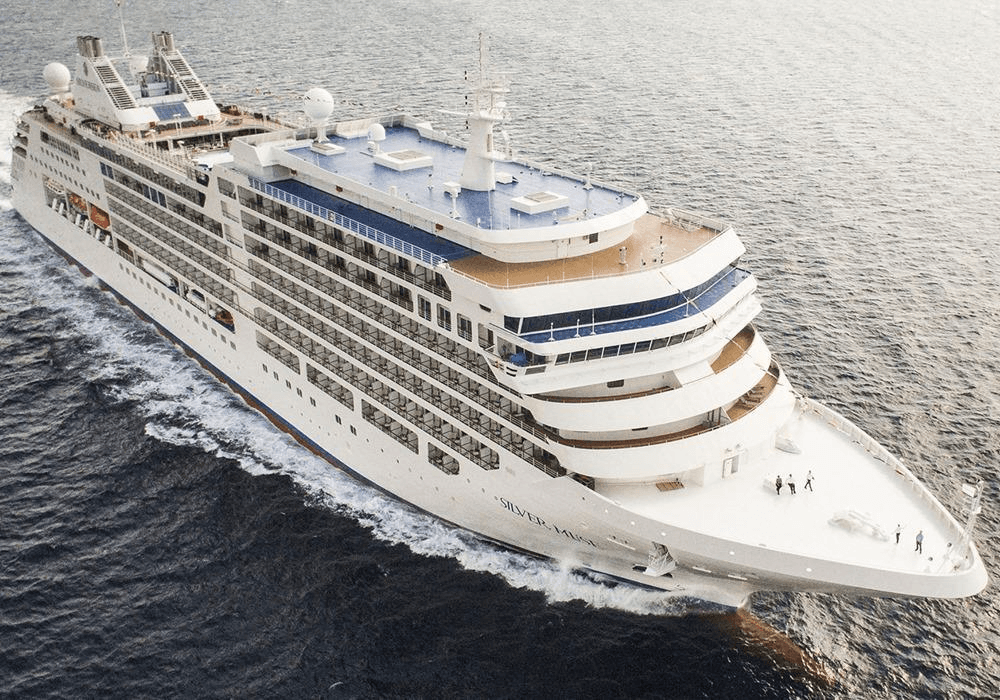
- Built
- 2022
- Tonnage
- 40700
- Cabins
- 288
- Crew
- 411
A new world of luxury is waiting aboard Silver Dawn. Elegant and modern, Silver Dawn is the natural evolution of our fleet. Large enough to offer eight dining options – including the superb Sea and Land Taste (S. A. L. T.
Ask our cruise specialists about cruise line loyalty benefits, status match options, drinks packages, gratuities and any current offers available on this sailing.
On board
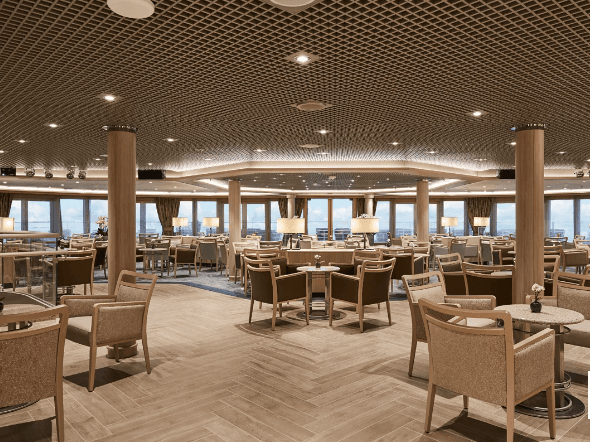
Panorama Lounge
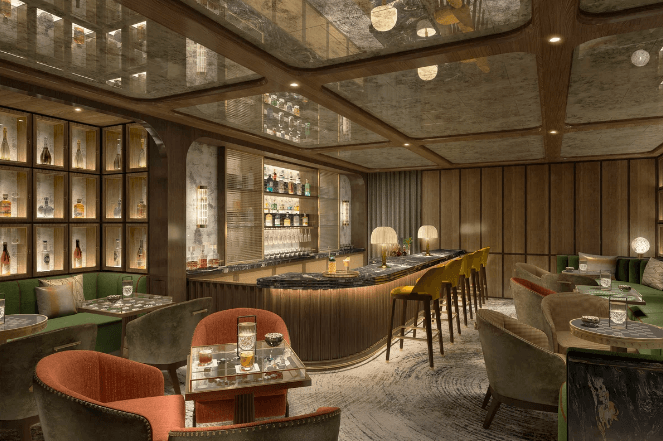
S.a.l.t. Bar
Itinerary
Cruise from Dakar to Lisbon
Day 1Cruise departs from DakarApr 30, 2027 • Departs at: 11 pm
Capital of Senegal, and a major gateway to Western Africa, the former colonial trading post of Dakar stamps the Cap-Vert peninsular with glorious surf-fringed beaches. Enjoy the thrum of markets - where colourful textiles are exchanged - and wander streets where jazz, sambar and mbalax spill from every ajar door. Offering tropical island-style beaches in an incongruous urban setting, Dakar is a wild and urgent experience for the senses. Watch on as surfers revel in consistent rollers on this, the most westerly peninsula of continental Africa. Scuba divers can explore worlds below the surface in Dakar's diving areas, or you can head to sandy beaches like Plage des Mamelles' cove, which provide endless options for cooling off. Looking for a little more activity, loosen up and play on golf courses that unroll along the sun-kissed Senegalese coastline, or visit startling natural sites like the vivid pink water of the salty pink Lake Retba. Cultural relevance abounds in Dakar - those wanti…
Day 2At SeaMay 1, 2027
Day 3PraiaMay 2, 2027 • Arrives at: 8 am • Departs at: 7 pm
Santiago is the main island of the Cape Verde archipelago and the first one to be settled by the Portuguese in the 15th century. Praia is the capital city of the islands. Its old town enjoys an imposing setting on a plateau overlooking the ocean. The Cape Verde Islands are located 300 miles (480 km) off the coast of West Africa. When the first Portuguese arrived in 1456, they found a land rich in vegetation, but no permanent inhabitants. With the colonisation, the Portuguese planted vineyards and brought in slaves from the West African coast. A population emerged of mixed European and African ancestry, forging a distinct Cape Verdean, highly individual culture
Day 4At SeaMay 3, 2027
Day 5At SeaMay 4, 2027
Day 6Santa Cruz de Tenerife , SpainMay 5, 2027 • Arrives at: 8 am • Departs at: 7 pm
Although this busy port city is smaller, quieter and less attractive than Las Palmas in Gran Canaria, Santa Cruz has its own share of elegant monuments. Until 1837, the island's capital was La Laguna, not Santa Cruz, so there are only a few of the buildings in the city center that are any older than that. At the busy Plaza de España, there are several pedestrian streets leading north and to the area west of the port, where you'll find the city's stunning auditorium and maritime park. View less A real highlight of the city are its ramblas, long tree-lined boulevards that fall steeply from the north end of the city to the sea.
Day 7Arrecife, Canary Islands, SpainMay 6, 2027 • Arrives at: 8 am • Departs at: 5 pm
Nestled on the east coast of Lanzarote, Arrecife takes its name from the rocky reefs and outcrops that dominate its coastline. This pretty working city has a friendly, authentic feel, and has managed to remain true to its roots as a historic fishing village. There’s a lot to explore, and whether you want to lie back on long swathes of opulent golden sand, or strap on hiking boots to crunch across Lanzarote’s scorched volcanic scenery, this versatile capital has so much to offer. With castles, caves, sleepy beaches, and a glittering saltwater lagoon, Arrecife is the perfect place to get acquainted with the sun-kissed appeal of the Canary Islands. Lanzarote’s charcoal desert vistas radiate a remarkable luna-like quality, but dotted cacti, waving palms, and bursts of vibrant wildflowers add an accent of colour to the canvas. Arrecife itself boasts apricot-coloured beaches and labyrinthine lanes of white-wash buildings within its Old Quarter, where you can smell fresh fish grilling, and s…
Day 8Agadir, MoroccoMay 7, 2027 • Arrives at: 9 am • Departs at: 11 pm
Boasting an impressive 300 days of sun per year, there is a reason why Agadir is Morocco’s premier holiday resort. Nicknamed the “Miami of Morocco”, the resort has sea and sand in abundance, along with a dreamy 10 km beach – perfect for travellers who want sheltered swimming or enjoy water-based fun in the sun. By contrast to the rest of the country, Agadir is thoroughly modern. An earthquake destroyed the city in 1960, killing 15,00 in 13 seconds and leaving another 35,000 homeless. In its place, and under the direction of Le Corbusier, a new city with a new direction was built. Instead of souks and medinas, think modern architecture, wide, tree-lined avenues, open squares and pedestrian precincts. Low rise hotels, boutiques and apartment blocks line the splendid waterfont. While all the original landmarks were destroyed (many not once, but twice, in the 1960 earthquake but also in the 1755 Lisbon earthquake), Agadir strove to rebuild as much as it could. Thus the fabled 1540 Oufla F…
Day 9At SeaMay 8, 2027
Day 10Casablanca, MoroccoMay 9, 2027 • Arrives at: 8 am • Departs at: 6 pm
Immortal lines from the silver screen may have imprinted a warm, fuzzy visage of old Casablanca into our minds, but this thriving city is a curious example of what Morocco’s modernity looks like. Glistening white art deco buildings line the wide pathways that sweep through Casablanca, as the sea sparkles like a thin mirage on the horizon. There’s an aura of creativity amid Casablanca’s culture and chaos, helping to make the city one of Morocco’s most curious and compelling. The Hassan II Mosque took a staggering seven years and 10,000 artists to craft its legacy as the country's largest mosque, and to bring the world's tallest minaret to sky-high reality. A vision of cool to the touch marble, cavernous prayer rooms and intricate inlays, the mosque is extraordinary in scale and ambition. Retractable roofs let the sun flood in, while dizzying glass floors dazzle, and the blue Atlantic waves surge below your feet. After that humbling visit, stroll along La Corniche - where surfers glide…
Day 11Cadiz, SpainMay 10, 2027 • Arrives at: 8:30 am • Departs at: 11 pm
More than a hundred watchtowers gaze out across the waves surrounding this ancient Andalusian city. Sprinkled with evocative cobbled side streets, you’ll explore 3,000 years’ worth of history, while stumbling across palm-tree lined plazas of shaded coffee sippers. Cadiz claims the mantle of Western Europe’s oldest city, and every piece of architecture - and every wrong turn - offers a chance to discover fascinating new tales. Founded by the Phoenicians in 1100BC, Christopher Columbus used the city as a base for his exploratory, map-defining voyages of 1493 and 1502. The port grew in importance and wealth as Cadiz’s strategic location close to Africa’s northern tip helped it blossom into a centre for New World trade. Catedral de Cádiz, is a display of the city’s wealth and importance, looming spectacularly over the Atlantic’s waves, with cawing seagulls sweeping between its twin bell towers. Inside, treasures from the city’s trading exploits in the West Indies and beyond - which helped…
Day 12Portimao, PortugalMay 11, 2027 • Arrives at: 8 am • Departs at: 6:30 pm
Located on the estuary of the Arade River, Portimao has made its living from fishing since pre-Romans times. Today a sprawling port and a major sardine-canning centre, the town is also a base for the construction industries generated by the tourist boom. Although summer is the busiest time of the year, the mild climate of the Algarve and many sunny winter days attract multinational tourists in all seasons, coming here to visit historical sites, playing golf, strolling along the river boulevard or exploring the many shopping opportunities. Stunning rock formations and warm seawaters make the beaches particularly alluring. The most beautiful on the entire coast is Praia da Rocha, the first one of several Algarve resort developments. Its wide expanse of sand is framed by jagged sea cliffs and the walls of an old fort that once protected the mouth of the Arade River. From Portimao, explorations can be made along the coast all the way to Cape St. Vincent, Europe's most westerly point, and…
Day 13Cruise returns to LisbonMay 12, 2027 • Arrives at: 7 am
Lisbon, the capital of Portugal, is a city open to the sea and carefully planned with 18th-century elegance. Its founder is said to be the legendary Ulysses, but the theory of an original Phoenician settlement is probably more realistic. Known in Portugal as Lisboa, the city was inhabited by the Romans, Visigoths and, beginning in the 8th century, the Moors. Much of the 16th century was a period of great prosperity and overseas expansion for Portugal. Tragedy struck on All Saints' Day in 1755 with a devastating earthquake that killed about 40,000 people. The destruction of Lisbon shocked the continent. As a result, the Baixa (lower city) emerged in a single phase of building, carried out in less than a decade by the royal minister, the Marques de Pombal. His carefully planned layout of a perfect neo-classical grid survived to this day and remains the heart of the city. Evidence of pre-quake Lisbon can still be seen in the Belém suburb and the old Moorish section of the Alfama that spr…
Cabin options
Compare the cabin types and onboard features shown for this sailing. Final price and availability are confirmed by our team when you inquire.
13 cabin grades listed for this sailing.
Next step
Cabin grades and prices
View every cabin grade and current availability on the next step.