Miami to Nice
Silversea · Silver Shadow
Depart
Jan 5, 2028
Return
May 16, 2028
Port
Miami, Florida
Nights
132 nights
At a glance
- Built
- 2019
- Tonnage
- 28258
- Cabins
- 194
- Crew
- 302
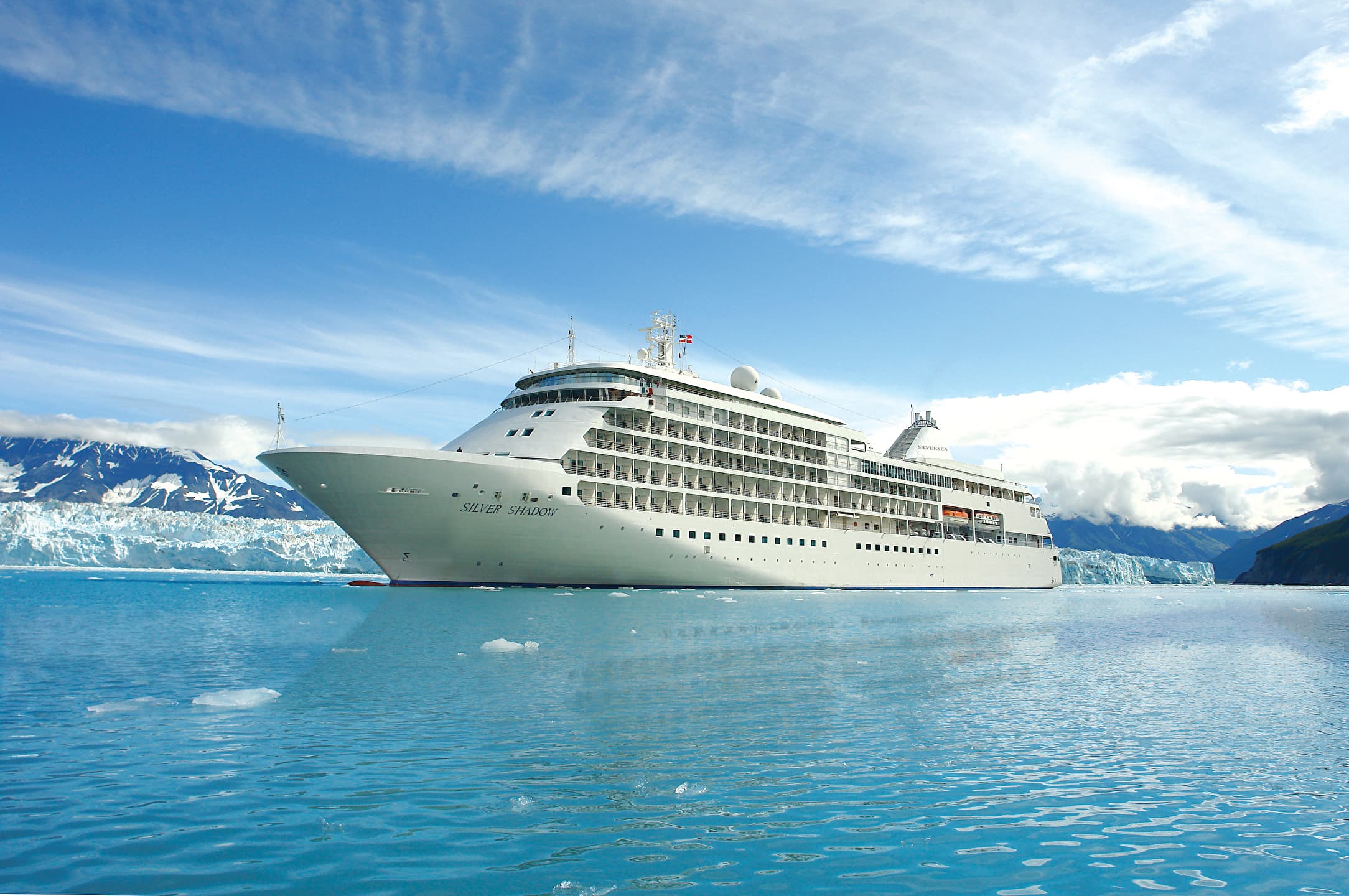
Award-winning Silver Shadow has all the hallmarks of extreme luxury at sea. With one of the highest space-to-guest ratios at sea, Silver Shadow is a firm favourite in the Silversea fleet. Authentic experiences. Simple pleasures. Shared moments. Silversea’s Millennium Class luxury cruise ships Silver Shadow and Silver Whisper offer you freedom and space to design your day.
Ask our cruise specialists about cruise line loyalty benefits, status match options, drinks packages, gratuities and any current offers available on this sailing.
On board
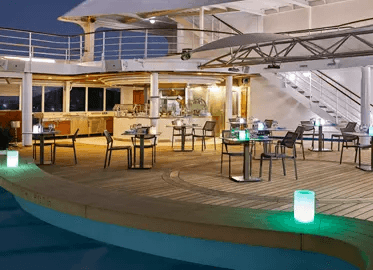
The Grill
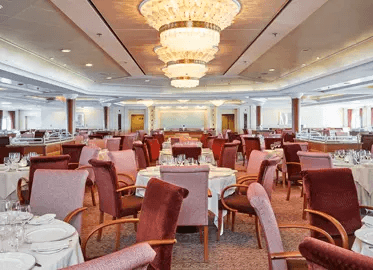
The Restaurant
Itinerary
Cruise from Miami, Florida to Nice (Villefranche)
Day 1Miami, FL , United StatesJan 5, 2028 • Departs at: 7 pm
Miami, officially the City of Miami, is a metropolis located in southeastern Florida in the United States. It is the third most populous metropolis on the East coast of the United States, and it is the seventh largest in the country. Wikipedia
Day 2At SeaJan 6, 2028
Day 3At SeaJan 7, 2028
Day 4At SeaJan 8, 2028
Day 5Jost Van Dyke (British Virgin Islands)Jan 9, 2028 • Arrives at: 8 am • Departs at: 6:30 pm
Glowing turquoise waters, lazily bowing palm trees, and pristine white sand beaches – it's all waiting for you in Jost Van Dyke's picturesque Caribbean splendour. Slip off your shoes, you won't be needing them too much in these parts, as you wander soft, heavenly sands, and paddle out into impossibly clear waters. The island escape of choice for dallying yachts, which visit to soak up the off-the-beaten-path good life. Join them around the pristine beaches of this tiny celebrity magnet of an island. View less If this is your first experience of the Caribbean's splendour, you may be a little sceptical about the reality of those famed, shockingly bright colours that you see in photographs. If so, Jost Van Dyke will be love at first sight. Splash into water that glows with a bright teal hue and is blotched with occasional swells of deeper royal blue. Snorkellers will adore the explosions of colourful fish beneath the waves. White Bay is a slice of island perfection, with a neat hill of t…
Day 6GustaviaJan 10, 2028 • Arrives at: 8 am • Departs at: 9:30 pm
Cherry red roofs, yacht-sprinkled bays and a sophisticated French flavour all add to the gorgeous Caribbean allure of Gustavia. The island's capital rolls around a horseshoe-shaped harbour, where gleaming yachts hover and fancy boutiques, bars and restaurants fizz with life and clinking cutlery. Head up to red and white Gustavia Lighthouse to look down over the revered waters, which attract many a celebrity guest and diving enthusiast to these shores. View less Christopher Columbus was the first European to discover this volcanic island in 1493, giving it the name St Barthelemy in honour of his younger brother. The island has a unique history as a Swedish colony, following a deal with the French King Louis XVI to exchange the island with Sweden for better trading rights. It was returned to French control in 1878 and is now a French Overseas Collectivity. Learn more of the Swedish legacy at Fort Karl - which sits on a 29-metre-high hill above Shell Beach. The fort now lies in ruins, bu…
Day 7At SeaJan 11, 2028
Day 8Willemstad, CuracaoJan 12, 2028 • Arrives at: 8 am • Departs at: 10 pm
Bright and brilliant colours coat the waterfront buildings of Willemstad, gleaming attractively below the generous Caribbean sun. The capital of the Carribean island Curacao, Willemstad is famous for its technicolour UNESCO World Heritage Site city centre, and a narrow channel connects the sea with the Schottegat harbour, which expands inland like a blooming flower. Settled by the Dutch in the 1630s, they brought colourful architecture, lavish red-roofed mansions, and gorgeous European-style waterfront buildings to this beautiful Caribbean island. View less Watching over the entrance to this luxurious port is Rif Fort - a 19th-century fortress, which looms above the Sint Anna Bay channel. From here, wind your way to the Queen Emma Bridge - a pontoon bridge known as the Swinging Old Lady, which was built in 1888 to connect Otrobanda and Punda. Enjoy the wonderful views of Willemstad's lavish, pastel-coloured Punda waterfront set before you. Visit the small boats that pull up side by si…
Day 9KralendijkJan 13, 2028 • Arrives at: 8 am • Departs at: 6 pm
Bonaire's small, tidy capital city (population 3,000) is five minutes from the airport. The main drag, J.A. Abraham Boulevard, turns into Kaya Grandi in the center of town. Along it are most of the island's major stores, boutiques, and restaurants. Across Kaya Grandi, opposite the Littman’s jewelry store, is Kaya L.D. Gerharts, with several small supermarkets, a handful of snack shops, and some of the better restaurants. Walk down the narrow waterfront avenue called Kaya C.E.B. Hellmund, which leads straight to the North and South piers. View less In the center of town, the Harbourside Mall has chic boutiques. Along this route is Ft. Oranje, with its cannons. From December through April, cruise ships dock in the harbor once or twice a week. The diminutive ocher-and-white structure that looks like a tiny Greek temple is the produce market, where one can find plenty of fresh produce brought over from Venezuela. Pick up the brochure Walking and Shopping in Kralendijk from the tourist off…
Day 10At SeaJan 14, 2028
Day 11Cartagena, ColombiaJan 15, 2028 • Arrives at: 7 am • Departs at: 11 pm
Get your sunglasses ready, because Cartagena is a riot of colour, charisma and Caribbean charm. The best way of seeing the city is by foot and soaking up the uniquely South American atmosphere. Stroll through the jumble of cobbled streets, step back in time, and enjoy one of the Caribbean’s loveliest destinations. Cartagena was declared a UNESCO World Heritage Site in 1984 as a shining example of an extensive and complete system of military fortifications in South America. The city’s strategic location, on a secluded bay facing the Caribbean Sea, meant that it was an essential stop from Europe to the West Indies during the time of commercial and naval exploration. Vestiges of this time are still to be found on the walls of several of the beautiful buildings lining the streets of the old town. The magnificent city is a walled fortress that stretches for 11 kilometres, dating from 1533 and once played host to Sir Francis Drake, who passed through in 1586 (and set fire to 200 buildings d…
Day 12At SeaJan 16, 2028
Day 13Panama Canal TransitJan 17, 2028 • Arrives at: 5:30 am • Departs at: 6:30 pm
Enter the mighty Panama Canal, one of history’s most ambitious and spectacular stretches of waterway. Connecting the Atlantic and Pacific oceans, and slicing through the heart of a continent, the canal is a staggering engineering triumph, eliminating the need to traverse the treacherous waters of South America and Cape Horn. Sail one of the world’s great canals to appreciate the true scale of this achievement, as your ship manoeuvres between its vast, gushing locks and huge lakes. View less The French began construction in 1881, but the costly project was left abandoned and unfinished until the United States finally completed the work in 1914. Following the path of the Panama Railway of 1855, locks raise ships large and small 26 metres up above sea level to the canal’s elevated channel. New locks have recently been added, which allow the canal to accommodate ever bigger ships. Leaving the confinement of the locks, you will enter the canal’s channel, to sail through Panama’s core. Wide…
Day 13Fuerte AmadorJan 17, 2028 • Arrives at: 7 pm
Expect incredible morning views as you arrive into the port for Panama City. Tinged with a silver pre-dawn light, the city will metamorphosise into a golden glow as the sun rises above it. And from then on expect one stunning view after another. Very interesting in its own right, Fuerte Amador is obviously overshadowed by its proximity to Panama City. So should the Miraflores museum of the Canal, which offers a comprehensive and immersive tour of the Canal including a 3-D experience, four exhibition halls, an observation deck, and a surprisingly good restaurant not interest you then there is always the option of lovely Casco Viejo – literally the old quartier of Panama. The grand old colonial houses, cobbled streets, independent boutiques and buzzing street scene make this a must stop on your itinerary. And if you like seafood, you will not want miss the many restaurants and market stalls serving different variations of so-fresh-it’s-still-practically-swimming ceviche. Best eaten like…
Day 14Fuerte AmadorJan 18, 2028 • Departs at: 6 pm
Expect incredible morning views as you arrive into the port for Panama City. Tinged with a silver pre-dawn light, the city will metamorphosise into a golden glow as the sun rises above it. And from then on expect one stunning view after another. Very interesting in its own right, Fuerte Amador is obviously overshadowed by its proximity to Panama City. So should the Miraflores museum of the Canal, which offers a comprehensive and immersive tour of the Canal including a 3-D experience, four exhibition halls, an observation deck, and a surprisingly good restaurant not interest you then there is always the option of lovely Casco Viejo – literally the old quartier of Panama. The grand old colonial houses, cobbled streets, independent boutiques and buzzing street scene make this a must stop on your itinerary. And if you like seafood, you will not want miss the many restaurants and market stalls serving different variations of so-fresh-it’s-still-practically-swimming ceviche. Best eaten like…
Day 15At SeaJan 19, 2028
Day 16At SeaJan 20, 2028
Day 17Manta, EcuadorJan 21, 2028 • Arrives at: 8 am • Departs at: 6 pm
Manta is one of Ecuador’s ports along the central coast and the most populated city in Manabi Province. Its existence can be traced to pre-Columbian times when Manta was a trading post for the Incas and Mantas. It was also the port where Charles Marie de La Condamine arrived, leading the French mission to measure the location of the equator in 1735.
Day 18At SeaJan 22, 2028
Day 19At SeaJan 23, 2028
Day 20Lima (Callao)Jan 24, 2028 • Arrives at: 8 am • Departs at: 10 pm
Day 21At SeaJan 25, 2028
Day 22At SeaJan 26, 2028
Day 23At SeaJan 27, 2028
Day 24Valparaiso, ChileJan 28, 2028 • Arrives at: 1:30 pm
Since time immemorial Valparaiso has inspired writers, poets, musicians and artists alike. If the city is still a little rough around the edges, this only adds to its bohemian ambience; the architecture, style, street art, nightlife, and live music scenes of Valparaiso are some of the best in the world. Add colourful clifftop homes to the mix and you'll soon see why Valpariaso is many people's favourite Chilean city. The city was founded in 1536 by Spanish conquistador Juan de Saavedra, who named the city after his birthplace. View less Many of the colonial buildings he implemented are still standing today, despite the rain, wind, fire and several earthquakes (one of which almost levelled the city in 1906). Quirky architecture also abounds; poetry lovers and amateur architects will no doubt want to make the 45 km trip south to Chilean poet laureate (and Nobel Prize winner) Pablo Neruda’s ship-shaped house and museum for a taste of the extraordinary. The city and region are also extrem…
Day 25Valparaiso, ChileJan 29, 2028 • Departs at: 7 pm
Since time immemorial Valparaiso has inspired writers, poets, musicians and artists alike. If the city is still a little rough around the edges, this only adds to its bohemian ambience; the architecture, style, street art, nightlife, and live music scenes of Valparaiso are some of the best in the world. Add colourful clifftop homes to the mix and you'll soon see why Valpariaso is many people's favourite Chilean city. The city was founded in 1536 by Spanish conquistador Juan de Saavedra, who named the city after his birthplace. View less Many of the colonial buildings he implemented are still standing today, despite the rain, wind, fire and several earthquakes (one of which almost levelled the city in 1906). Quirky architecture also abounds; poetry lovers and amateur architects will no doubt want to make the 45 km trip south to Chilean poet laureate (and Nobel Prize winner) Pablo Neruda’s ship-shaped house and museum for a taste of the extraordinary. The city and region are also extrem…
Day 26At SeaJan 30, 2028
Day 27At SeaJan 31, 2028
Day 28Puerto Montt, ChileFeb 1, 2028 • Arrives at: 8 am • Departs at: 6 pm
Located on the northern tip of the vast Reloncavi Bay, Puerto Montt is the gateway to the Chilean Lake District. Crowding the harbor are vessels that ply the route between Cape Horn and Puerto Montt, finding shelter here from the storms of the Pacific. The first German colonists arrived in this area in 1852; their descendants have remained a small but influential percentage of the 130,000 inhabitants. The town spreads along a narrow seaboard and climbs the slopes that enclose Puerto Montt to the north. Since 1985, the city has experienced considerable growth and development. In addition to some 30 salmon farms, fishing and forestry industries, there are service companies, new hotels, restaurants, cafés and a variety of shops. For the visitor, the town itself offers scant attractions apart from shingle-roofed houses around a flowered central square. It is its proximity to the lake and mountain region that makes Puerto Montt a sought after starting point for many travelers. A short dist…
Day 29Castro, ChileFeb 2, 2028 • Arrives at: 7:30 am • Departs at: 5 pm
The capital of Chile’s Chiloe Island, Castro is big, bright and boisterous. Colourful wooden huts (called palafitos) teeter on stilts over the city’s waterfront, inviting you into a slice of life that’s sure to brighten any day. Warm welcomes abound, music seeps from street corner and life is celebrated with gusto all over the city. If you are looking for a healthy mix of culture and cosmopolitanism, then you have found it in Castro. The island is renowned for its UNESCO World Heritage Site wooden churches. Around 70 churches were built in the 17th and 18th centuries, embodying the intangible richness of the Chiloé Archipelago, and bear witness to a successful fusion of indigenous and European culture. Just 16 of the churches are classified by UNESCO, prime examples of the full integration of the architecture in the landscape and environment, as well as to the spiritual values of the communities. The city is Chile’s third oldest city in existence, founded in 1576. Castro lived peaceab…
Day 30At SeaFeb 3, 2028
Day 31Chilean Fjords CruisingFeb 4, 2028
Day 32Punta Arenas, ChileFeb 5, 2028 • Arrives at: 8 am • Departs at: 8 pm
As we head back towards land, a statue of fellow explorer Ferdinand Magellan greets us. Located on the western side of the Strait of Magellan, Punta Arenas is the capital of Chile's Magallanes Region and the bustling centre base for South Atlantic fishing boats and Antarctic research vessels. This busy port town is a melding of cultures from the English sheep ranchers to Portuguese sailors, all of which are a symbol of Chile's rich history. Punta Arenas' city centre features impressive mansions dating from the late 19th and early 20th centuries. In 1982, Isla Magdalena was declared a Chilean Natural Monument. Residing in the Magellan Straits, it serves as a bird sanctuary specifically to the Magellanic penguins, who share their nesting area with cormorants amongst other seabirds and sea lions. We explore the island together with our ship staff, and learn more about these naturally curious and untamed creatures. However, simply watching 150,000 burrowing penguins share chores with thei…
Day 33At SeaFeb 6, 2028
Day 34Ushuaia, ArgentinaFeb 7, 2028 • Arrives at: 8 am • Departs at: 6 pm
A southerly frontier - on the cusp of wild nature and extraordinary adventures - the excitement in Ushuaia is palpable. Prepare for memorable exploits amid the extremes of this southerly location - as you adventure into the colossal scenery of the fractured Tierra del Fuego and beyond. Known as the 'End of the World' Ushuaia looks out across the Beagle Channel, and is surrounded by the Martial Mountains to the north. Despite its remote location, Ushuaia is a surprisingly busy and lively resort, with lots to keep its visitors entertained. View less For many people, Ushuaia is their last glimpse of anything resembling a city, before they jump off the map into the wilderness, to answer the call of immense national parks or Antarctic expeditions. One of the most dramatic landscapes on the planet - Argentina's land of fire, National Park Tierra del Fuego, is a place of titanic natural forces and limitless beauty. Snow-covered mountains poke the sky, while glaciers spill down between peaks,…
Day 35At SeaFeb 8, 2028
Day 36Port Stanley, Falkland IslandsFeb 9, 2028 • Arrives at: 8 am • Departs at: 6 pm
Tiny Stanley, capital of the Falklands, seems in many ways like a British village fallen out of the sky. Many homes are painted in bright colors, adding visual appeal to this distant outpost. Not far offshore, the wreck of the Lady Elizabeth, is one of the many vessels remaining as a silent testimonial to the region's frequent harsh weather conditions. The islands, also known by their Spanish name of Islas Malvinas, are home to arguably more tuxedo-clad inhabitants of the penguin variety than human residents. Various species, such as Gentoo, King and the more elusive Macaroni penguins, either live here permanently or use the Falklands as a stopover on their migration route. Giant Sea Elephants and Southern Sea Lions also come here to breed and give birth. Darwin found the islands' flora and fauna fascinating — no doubt you will, too.
Day 37At SeaFeb 10, 2028
Day 38At SeaFeb 11, 2028
Day 39Puerto MadrynFeb 12, 2028 • Arrives at: 8 am • Departs at: 5 pm
Puerto Madryn has experienced rapid development thanks to Argentina's first aluminum plant established here. Lately it has also become a popular tourist center because of its excellent diving and water sports opportunities, attracting visitors from all over Argentina and other parts of South America. Still, its major draw is the proximity to such important wildlife reserves as Punta Tombo and the Valdes Peninsula. Scores of visitors endure long drives to visit these amazing nature reserves to see Magellanic penguins, elephant seals, sea lions and whales. In town, a casino and several restaurants known for good seafood provide visitors with basic diversions. In addition, there is the Museum of Natural Sciences and Oceanography with exhibits portraying the remarkable wildlife in Chubut Province. Main street shops offer a limited selection of leather goods, water sports equipment and items made by the Patagonian Indians.
Day 40At SeaFeb 13, 2028
Day 41At SeaFeb 14, 2028
Day 42Buenos AiresFeb 15, 2028 • Arrives at: 7 am
Passionate, and alive with an infectious crackling energy, the Argentine capital is a breathlessly romantic city, which blends old-world colonial architecture with a down-to-earth Latin American clamour. Famed for steamy tango interplays, and expertly seared steak slabs, a visit to Buenos Aires is a fiery fiesta for the senses. Parque Tres de Febrero is a 400-hectare oasis where 18,000 rose bushes bloom, and skyscrapers give way to still lakes and pretty paths of rollerblading locals. Mighty palm trees - that look like exploding fireworks - stand tall in Plaza de Mayo, the heart of this sprawling cosmopolitan capital of 48 barrios. The square has served as the stage for many fundamental events in this country’s history, and the location where the seeds of independence were sewn continues to serve as the city’s gathering point - and is a place for solidarity, rebellion and revolution. The presidential Casa Rosada’s salmon-hued Palatial Palace borders the plaza, while nearby Museum Naci…
Day 43Buenos AiresFeb 16, 2028 • Departs at: 6 pm
Passionate, and alive with an infectious crackling energy, the Argentine capital is a breathlessly romantic city, which blends old-world colonial architecture with a down-to-earth Latin American clamour. Famed for steamy tango interplays, and expertly seared steak slabs, a visit to Buenos Aires is a fiery fiesta for the senses. Parque Tres de Febrero is a 400-hectare oasis where 18,000 rose bushes bloom, and skyscrapers give way to still lakes and pretty paths of rollerblading locals. Mighty palm trees - that look like exploding fireworks - stand tall in Plaza de Mayo, the heart of this sprawling cosmopolitan capital of 48 barrios. The square has served as the stage for many fundamental events in this country’s history, and the location where the seeds of independence were sewn continues to serve as the city’s gathering point - and is a place for solidarity, rebellion and revolution. The presidential Casa Rosada’s salmon-hued Palatial Palace borders the plaza, while nearby Museum Naci…
Day 44Montevideo, UruguayFeb 17, 2028 • Arrives at: 8 am • Departs at: 10 pm
With its population of 1,362,000, Montevideo is home to nearly half of Uruguay's population. The relatively small capital is the nation's only major city, yet visitors do not come here in search of the hustle and bustle of a large metropolis. Montevideanos themselves travel to Buenos Aires and São Paulo when they crave big-city excitement. As Uruguay's cultural, political and economic center, the city boasts a good number of monuments, museums and impressive architecture. There are sidewalk cafés, fine restaurants, chic shops, casinos and miles of clean beaches. For such a small country, Uruguay boasts an astonishing literary and artistic tradition. Theater is a popular medium and playwrights are very prominent. Uruguayan artists such as Pedro Figari have earned recognition well beyond the country's border. The tango is nearly as popular here as in Argentina. Afro-Uruguayan Candomblé music and dance add a unique dimension.
Day 45Punta del Este, UruguayFeb 18, 2028 • Arrives at: 8 am • Departs at: 11 pm
Renowned for its international conferences and film festivals, Punta del Este is one of the finest beach resorts in South America. Many wealthy Uruguayans, Argentines and Brazilians have built spectacular mansions along the magnificent coastline. Celebrities and jet-setters from across the globe frequent Punta del Este for the beaches, fresh air and nightlife. For many of Montevideo's residents this fashionable resort provides a popular weekend getaway. With a skyline of alternating high-rise towers and million-dollar mansions, Punta del Este is host to a sophisticated culture and a swinging social scene. During the day locals and visitors hit the beaches of the peninsula that provide a perfect setting for a variety of watersports. The land side, with its sand dunes, large forests of pines, eucalyptus and mimosa, makes a fitting contrast. A marina full of sleek yachts, excellent restaurants, chic boutiques, art galleries, a renowned museum, casinos and three golf courses add to a Rivi…
Day 46At SeaFeb 19, 2028
Day 47At SeaFeb 20, 2028
Day 48Porto BeloFeb 21, 2028 • Arrives at: 8 am • Departs at: 6 pm
Porto Belo is a municipality in the state of Santa Catarina in the South region of Brazil.
Day 49ParanaguaFeb 22, 2028 • Arrives at: 8 am • Departs at: 5 pm
Atlantic rainforest draws us inland from the Paranaguá port, and it is fun exploring it by boat, coach, foot or even up a tower! Much of the rich and diverse forests of Brazil’s Atlantic coast has been cleared but here the largest surviving tracts are preserved in national parks and reserves. The uniqueness and rarity of the forest’s biology led to the declaration of the Atlantic Forests of South Eastern Brazil World Heritage Area.
Day 50Ilhabela, BrazilFeb 23, 2028 • Arrives at: 9 am • Departs at: 10 pm
Portuguese for beautiful island, Ilhabela carries its name well. Considered a natural paradise by both locals and visitors alike, the island is a kaleidoscope of beautiful beaches, lush tropical rainforests and an incredible 360 waterfalls. Located a four hour drive (and a 15-minute ferry ride) from São Paolo, 85% of the island is a UNESCO-Biosphere Reserve. View less While people may come initially to Ihalbela for its famous beaches, (one of which was named as a top ten worldwide beach by The Guardian), expect much greater things that just sunning and relaxing in the shade from this little island. With almost 25 miles/40 kilometres of pristine beaches, fun in the sun is certainly always an option, but Ilhabela is also a vibrant little city, full of vivacity and history, just waiting to be discovered. Located on the west coast of the island, Ilhabela town still shows signs of its colonial past, examples of which can be see through the local architecture. Perhaps one of the most photog…
Day 51Ilha GrandeFeb 24, 2028 • Arrives at: 8 am • Departs at: 6 pm
Day 52BuziosFeb 25, 2028 • Arrives at: 8 am • Departs at: 6 pm
The beautiful beaches of Buzios unfurl to the east of Rio de Janeiro, strung along a glorious peninsular into famed blue waters. Upscale and desirable, Buzios is a beachy escape to a land of sun and thick palm-clad hills. With 17 luxurious, horseshoe-shaped beaches spreading out nearby, and a lively nightlife and culinary scene, Buzios is a place to kick back and soak up some of the best of Brazil's envied beach life. Formed from three separate towns, Manguinhos, Armação de Búzios and Ossos, Buzios is an attractive, Portuguese-flavoured corner of this stunning country. Stroll the cobbles of Rua das Pedras for a taste of old-time colonial charm. Elevated viewpoints let you rise high and admire the weaving coastline and turquoise waters below - dotted with paddleboarders pushing through waves and green islands emerging. Just like St Tropez, Buzios came to the wider world's attention when Brigitte Bardot visited the shining white sands, imparting a head-turning sprinkle of stardust, and…
Day 53Rio de Janeiro, BrazilFeb 26, 2028 • Arrives at: 8 am
Today, with the center rebuilt many times since colonial days, the major interest lies in the beach communities south of the city center rather than in Rio's buildings and monuments. For some 60 years, the beach districts of Copacabana, Ipanema and Leblon have been Rio's heart and soul, providing a constant source of recreation to maintain the city's fame as the most dynamic and captivating tourist capital in South America.
Day 54Rio de Janeiro, BrazilFeb 27, 2028
Today, with the center rebuilt many times since colonial days, the major interest lies in the beach communities south of the city center rather than in Rio's buildings and monuments. For some 60 years, the beach districts of Copacabana, Ipanema and Leblon have been Rio's heart and soul, providing a constant source of recreation to maintain the city's fame as the most dynamic and captivating tourist capital in South America.
Day 55Rio de Janeiro, BrazilFeb 28, 2028 • Departs at: 11 pm
Today, with the center rebuilt many times since colonial days, the major interest lies in the beach communities south of the city center rather than in Rio's buildings and monuments. For some 60 years, the beach districts of Copacabana, Ipanema and Leblon have been Rio's heart and soul, providing a constant source of recreation to maintain the city's fame as the most dynamic and captivating tourist capital in South America.
Day 56At SeaFeb 29, 2028
Day 57At SeaMar 1, 2028
Day 58Salvador De Bahia, BrazilMar 2, 2028 • Arrives at: 8 am • Departs at: 6 pm
Multicolored buildings surrounding Pelourinho Square, narrow cobblestone streets, a colorful market and countless churches make a picturesque and fascinating historic center. Toward the mouth of the bay lies the newer section, with skyscrapers and some fine homes built during the last century. Farther out, at Porto da Barra, are the best city beaches, bars and restaurants. At the mouth of the bay stands the Fort of San Antonio, built on the spot where Amérigo Vespucci landed in 1501. The road along the seafront passes the famous lighthouse and leads to Salvador's new suburbs along a string of golden beaches.
Day 59At SeaMar 3, 2028
Day 60At SeaMar 4, 2028
Day 61At SeaMar 5, 2028
Day 62At SeaMar 6, 2028
Day 63At SeaMar 7, 2028
Day 64St HelenaMar 8, 2028 • Arrives at: 8 am • Departs at: 6 pm
Although primarily known as the island where Napoleon was exiled after his defeat at Waterloo, the fascination with St. Helena goes back many more centuries. Its main attraction may very well be its remoteness, which enabled the Portuguese to keep their discovery of the island in 1502 a secret for the next 80 years. It was this isolated location that the British thought perfect to keep the defeated Napoleon. St.
Day 65At SeaMar 9, 2028
Day 66At SeaMar 10, 2028
Day 67At SeaMar 11, 2028
Day 68Walvis BayMar 12, 2028 • Arrives at: 8 am
Home to a beautiful lagoon, washed pale pink by a colony of resident flamingos, Walvis Bay is a colourful African call, where you can meet some of the continent’s most flamboyant wildlife. A small Namibian city on the Atlantic coast of southern Africa, the city takes its name from Whale Bay - which gives a clue as to the wonderful wildlife watching opportunities available here. The deep-water blossoms with rich levels of plankton, drawing curious marine mammals in large numbers to feast.
Day 69Walvis BayMar 13, 2028 • Departs at: 1 pm
Home to a beautiful lagoon, washed pale pink by a colony of resident flamingos, Walvis Bay is a colourful African call, where you can meet some of the continent’s most flamboyant wildlife. A small Namibian city on the Atlantic coast of southern Africa, the city takes its name from Whale Bay - which gives a clue as to the wonderful wildlife watching opportunities available here. The deep-water blossoms with rich levels of plankton, drawing curious marine mammals in large numbers to feast.
Day 70Luderitz, NamibiaMar 14, 2028 • Arrives at: 8 am • Departs at: 6 pm
The scorched desert that surrounds Luderitz means the city’s collection of German art nouveau architecture couldn't look more unusually placed along the Namibian coastline. This quirkiness is what gives the destination its charm. See gangs of playful penguins skipping across the waves, pink flamingos wading by the coast, and dolphins leaping into the air near Penguin Island and Seal Island.
Day 71At SeaMar 15, 2028
Day 72Cape Town, South AfricaMar 16, 2028 • Arrives at: 8 am
Sprawling across endless, staggeringly blue coastline, and watched over by the iconic plane of Table Mountain, Cape Town is without doubt one of the world’s most beautiful cities. A blend of spectacular mountain scenery, multiculturalism and relaxed ocean charm awaits in the Mother City, where you can venture out to rolling vineyards, dine in laid back sea suburbs, or spend days exploring cool urban culture. Cape Town’s natural splendour fully reveals itself as the cable car rears sharply to the top of Table Mountain. From the summit, 3,500 feet above sea level, you can let the scale of the panoramic vistas of the city rolling down towards the ocean wash over you. Another heavenly perspective waits at the top of Lion's Head’s tapering peak. A sharp hike and an early start is required, but the views of the morning sun painting Table Mountain honey-gold are some of Cape Town’s finest. Cape Town’s glorious sunshine and inviting blue rollers can be a little deceiving - these oceans are an…
Day 73Cape Town, South AfricaMar 17, 2028
Sprawling across endless, staggeringly blue coastline, and watched over by the iconic plane of Table Mountain, Cape Town is without doubt one of the world’s most beautiful cities. A blend of spectacular mountain scenery, multiculturalism and relaxed ocean charm awaits in the Mother City, where you can venture out to rolling vineyards, dine in laid back sea suburbs, or spend days exploring cool urban culture. Cape Town’s natural splendour fully reveals itself as the cable car rears sharply to the top of Table Mountain. From the summit, 3,500 feet above sea level, you can let the scale of the panoramic vistas of the city rolling down towards the ocean wash over you. Another heavenly perspective waits at the top of Lion's Head’s tapering peak. A sharp hike and an early start is required, but the views of the morning sun painting Table Mountain honey-gold are some of Cape Town’s finest. Cape Town’s glorious sunshine and inviting blue rollers can be a little deceiving - these oceans are an…
Day 74Cape Town, South AfricaMar 18, 2028 • Departs at: 1:30 pm
Sprawling across endless, staggeringly blue coastline, and watched over by the iconic plane of Table Mountain, Cape Town is without doubt one of the world’s most beautiful cities. A blend of spectacular mountain scenery, multiculturalism and relaxed ocean charm awaits in the Mother City, where you can venture out to rolling vineyards, dine in laid back sea suburbs, or spend days exploring cool urban culture. Cape Town’s natural splendour fully reveals itself as the cable car rears sharply to the top of Table Mountain. From the summit, 3,500 feet above sea level, you can let the scale of the panoramic vistas of the city rolling down towards the ocean wash over you. Another heavenly perspective waits at the top of Lion's Head’s tapering peak. A sharp hike and an early start is required, but the views of the morning sun painting Table Mountain honey-gold are some of Cape Town’s finest. Cape Town’s glorious sunshine and inviting blue rollers can be a little deceiving - these oceans are an…
Day 75Mossel Bay, South AfricaMar 19, 2028 • Arrives at: 8 am • Departs at: 5 pm
Mossel Bay, located at the western-most end of the Garden Route, is known as the site of the 1488 landing of the Portuguese explorer Bartholomeu Dias. From then on, many ships stopped here to get fresh water or barter with the Khoikhoi tribe. However, Mossel Bay remained pretty much a fishing and whaling backwater until its discovery as a holiday resort in the 1930s because of its beautiful beach.
Day 76Port Elizabeth, South AfricaMar 20, 2028 • Arrives at: 7 am
Port Elizabeth is the third largest port and the fifth largest city in South Africa. The center is spread over steep hills overlooking Algoa Bay. Except for some interesting historical architecture, 21st-century Port Elizabeth, or PE as it is commonly known, has few attractions of note. To compensate, the town is surrounded by charming countryside; it bills itself as the Friendly City. Its origins go back to the site of Fort Frederick around which settlers from Britain established Port Elizabeth in 1820.
Day 77Port Elizabeth, South AfricaMar 21, 2028 • Departs at: 6 pm
Port Elizabeth is the third largest port and the fifth largest city in South Africa. The center is spread over steep hills overlooking Algoa Bay. Except for some interesting historical architecture, 21st-century Port Elizabeth, or PE as it is commonly known, has few attractions of note. To compensate, the town is surrounded by charming countryside; it bills itself as the Friendly City. Its origins go back to the site of Fort Frederick around which settlers from Britain established Port Elizabeth in 1820.
Day 78At SeaMar 22, 2028
Day 79Richards Bay, South AfricaMar 23, 2028
Richards Bay was named after Frederick William Richards of the British Royal Navy. When he learned of the conflict the English experienced in Zululand, Richards arrived with 250 men in support of his fellow countrymen. He also made a survey of the coast in 1879. In 1906, development of the area got underway with the founding of the Zululand Fisheries and the first ox wagon trek to the town of Empangeni. In 1928, Richards Bay got a hotel and a store, from which it gradually developed into the economic center of Northern Kwazulu-Natal. A new deep-water port inaugurated in 1976 is the second largest port in the country after Durban. In its wake, a number of large and small industries, hotels, shops and restaurants have sprung up, causing the town to develop at a record-breaking pace. The most important attractions however are found outside Richards Bay in the game reserves and cultural villages. For many visitors Zululand represents some of the "real" Africa, an area that covers much of…
Day 80At SeaMar 24, 2028
Day 81At SeaMar 25, 2028
Day 82At SeaMar 26, 2028
Day 83At SeaMar 27, 2028
Day 84Pointe des GaletsMar 28, 2028 • Arrives at: 8 am • Departs at: 6 pm
Located about 480 miles east of Madagascar and 102 miles southwest of Mauritius, Réunion is the largest of the Mascarene Islands. The archipelago, consisting of Rodrigues, Mauritius and Réunion, was named The Mascarentes following its discovery in 1512 by the Portuguese navigator, Pedro de Mascarenhas. The French made the decision to settle Réunion in 1642, but no one actually lived here until four years later when the French governor of Fort Dauphin in Madagascar exiled a dozen mutineers to the island. In 1649, the king of France officially took possession of Réunion and renamed the island Colbert Bourbon. After the French Revolution, the island took back its original name. Since 1946, Réunion has been administered by France as an Overseas Department, with St. Denis as its capital. Facilities here are comparable to any major town in metropolitan France. St. Denis straddles the mouth of the St. Denis River and sweeps upward into the flanks of la Montagne where modern apartment complex…
Day 85Port Louis, MauritiusMar 29, 2028 • Arrives at: 8 am
Located just off the east coast of Madagascar, Mauritius is fast making a name for itself as the tropical paradise of the Indian Ocean. A volcanic island approximately 10 million years old, Mauritius is thought to be the peak of an enormous sunken volcanic chain stretching from the Seychelles to Réunion. In fact, volcanic lakes and inactive craters can be found scattered throughout the island. Mauritius also boasts a unique marine environment. Surrounded by one of the largest unbroken coral reefs on the planet, conservationists are now campaigning to protect its white coral sand beaches and fragile ecosystem. Though it can be found on the maps of early Arab mariners, Mauritius remained uninhabited until the end of the 16th century. The Portuguese became the first European visitors in 1510, however, they did not lay claim to the island. In 1598 Dutch colonists settled on the island, naming it after Prince Maurice of Nassau. The Dutch colonial period saw the development of thriving suga…
Day 86Port Louis, MauritiusMar 30, 2028 • Departs at: 2 pm
Located just off the east coast of Madagascar, Mauritius is fast making a name for itself as the tropical paradise of the Indian Ocean. A volcanic island approximately 10 million years old, Mauritius is thought to be the peak of an enormous sunken volcanic chain stretching from the Seychelles to Réunion. In fact, volcanic lakes and inactive craters can be found scattered throughout the island. Mauritius also boasts a unique marine environment. Surrounded by one of the largest unbroken coral reefs on the planet, conservationists are now campaigning to protect its white coral sand beaches and fragile ecosystem. Though it can be found on the maps of early Arab mariners, Mauritius remained uninhabited until the end of the 16th century. The Portuguese became the first European visitors in 1510, however, they did not lay claim to the island. In 1598 Dutch colonists settled on the island, naming it after Prince Maurice of Nassau. The Dutch colonial period saw the development of thriving suga…
Day 87At SeaMar 31, 2028
Day 88At SeaApr 1, 2028
Day 89Mahe, SeychellesApr 2, 2028 • Arrives at: 7 am
Like jade-colored jewels in the Indian Ocean, the more than 100 Seychelles Islands are often regarded as the Garden of Eden. Lying just four degrees south of the equator, the Seychelles are some 1,000 miles from the nearest mainland Africa. Little more than 200 years ago, all 115 islands were uninhabited.Then in 1742 a French ship dispatched from Mauritius sailed into one of the small bays. Captain Lazare Picault was the first to explore these unnamed islands. He encountered breathtaking vistas of rugged mountains, lagoons, coral atolls, splendid beaches and secluded coves. After Picault sailed away, the islands remained untouched for the next 14 years. Then France took possession of the seven islands in the Mahé group. During an expedition Captain Morphey named them the Sechelles, in honor of Vicomte Moreau de Sechelles.This name was later anglicized to Seychelles. The first settlers arrived at St. Anne's Island in 1770; 15 years later the population of Mahé consisted of seven Europe…
Day 90Mahe, SeychellesApr 3, 2028 • Departs at: 5 am
Like jade-colored jewels in the Indian Ocean, the more than 100 Seychelles Islands are often regarded as the Garden of Eden. Lying just four degrees south of the equator, the Seychelles are some 1,000 miles from the nearest mainland Africa. Little more than 200 years ago, all 115 islands were uninhabited.Then in 1742 a French ship dispatched from Mauritius sailed into one of the small bays. Captain Lazare Picault was the first to explore these unnamed islands. He encountered breathtaking vistas of rugged mountains, lagoons, coral atolls, splendid beaches and secluded coves. After Picault sailed away, the islands remained untouched for the next 14 years. Then France took possession of the seven islands in the Mahé group. During an expedition Captain Morphey named them the Sechelles, in honor of Vicomte Moreau de Sechelles.This name was later anglicized to Seychelles. The first settlers arrived at St. Anne's Island in 1770; 15 years later the population of Mahé consisted of seven Europe…
Day 90Praslin, SeychellesApr 3, 2028 • Arrives at: 8 am • Departs at: 6 pm
This tropical Eden covers 14.5 square miles and lies a mere 28 miles from the island of Mahé. In addition to glorious beaches and fantastic marine life, Praslin is best known for the Vallée de Mai World Heritage Site where the botanical rarity, the coco de mer, grows wild. In fact, this incredible palm forest earned the island its original name of "Isle de Palme," accorded by the French navigator Lazare Picault who had to carve his way through the tangled undergrowth of the inland hills. In 1768 Marion Dufresne led an expedition to the island and renamed it Praslin. He placed a Deed of Possession in a bottle which he buried in the sands of the northern coast. In the early 1800s the total population of the island amounted to ten families. Nothing noteworthy happened through most of the century, except for the arrival of General Charles Gordon in 1881. The hero of Khartoum thought he had found the biblical Garden of Eden and pronounced that the coco de mer was the biblical tree of knowl…
Day 91At SeaApr 4, 2028
Day 92At SeaApr 5, 2028
Day 93At SeaApr 6, 2028
Day 94At SeaApr 7, 2028
Day 95At SeaApr 8, 2028
Day 96Muscat, OmanApr 9, 2028 • Arrives at: 8 am
Surrounded by striking mountains on one side and soft sandy shores along the coast, Muscat was already a thriving port in ancient times. As the capital of modern Oman with wide avenues and architecture that features both contemporary and traditional design, parts of the city still retain their medieval appearance, including two ancient Portuguese forts flanking the rocky cove around which the city is built. During the 14th and 15th centuries, Muscat was an important outpost for the powerful kings of Hormuz. In the 16th century, the Portuguese took possession of Muscat, but lost their dominance in the Gulf when the city came again under Omani rule in 1650. Since the mid-18th century, members of the Al-Busaidy dynasty have been the rulers of Oman. From the time of Sultan Qaboos Bin Said's accession to the throne in 1970, the Sultanate has gone from an underdeveloped country to a modern state with imposing government buildings, hospitals, new roads, a university and a sport complex. Musc…
Day 97Muscat, OmanApr 10, 2028
Surrounded by striking mountains on one side and soft sandy shores along the coast, Muscat was already a thriving port in ancient times. As the capital of modern Oman with wide avenues and architecture that features both contemporary and traditional design, parts of the city still retain their medieval appearance, including two ancient Portuguese forts flanking the rocky cove around which the city is built. During the 14th and 15th centuries, Muscat was an important outpost for the powerful kings of Hormuz. In the 16th century, the Portuguese took possession of Muscat, but lost their dominance in the Gulf when the city came again under Omani rule in 1650. Since the mid-18th century, members of the Al-Busaidy dynasty have been the rulers of Oman. From the time of Sultan Qaboos Bin Said's accession to the throne in 1970, the Sultanate has gone from an underdeveloped country to a modern state with imposing government buildings, hospitals, new roads, a university and a sport complex. Musc…
Day 98Muscat, OmanApr 11, 2028 • Departs at: 1 pm
Surrounded by striking mountains on one side and soft sandy shores along the coast, Muscat was already a thriving port in ancient times. As the capital of modern Oman with wide avenues and architecture that features both contemporary and traditional design, parts of the city still retain their medieval appearance, including two ancient Portuguese forts flanking the rocky cove around which the city is built. During the 14th and 15th centuries, Muscat was an important outpost for the powerful kings of Hormuz. In the 16th century, the Portuguese took possession of Muscat, but lost their dominance in the Gulf when the city came again under Omani rule in 1650. Since the mid-18th century, members of the Al-Busaidy dynasty have been the rulers of Oman. From the time of Sultan Qaboos Bin Said's accession to the throne in 1970, the Sultanate has gone from an underdeveloped country to a modern state with imposing government buildings, hospitals, new roads, a university and a sport complex. Musc…
Day 99Khasab, OmanApr 12, 2028 • Arrives at: 8 am • Departs at: 6 pm
It may be known as the Norway of Arabia - in reference to the spectacular fjords that cut and shape the Musandam Peninsular - but Khasab's scorching sun and desert landscape is a constant reminder that you're a long way from Europe. Sitting isolated on Oman’s Northern coast - cut off by a slice of the United Arab Emirates' territory - this small city has a dreamy, introverted atmosphere - until you head out in a 4X4, to slip and slide across its rip-roaring mountain scenery that is. View less Explore the incredible desert fjords and folding sandy mountains by boat, and be on the look out for the rubbery noses of bottlenose and humpback dolphins poking through the water. Legendarily friendly and curious, don’t be surprised to see them swimming through the blue waters with you, displaying all of their aquatic athletic prowess as you sail by traditional wooden dhow. Cruise up along the Strait of Hormuz, between Oman and Iran, and marvel at the long stretches of dramatic golden fjord scen…
Day 100Abu Dhabi , United Arab EmiratesApr 13, 2028 • Arrives at: 8 am
Emerging from the desert’s sands like a mirage, Abu Dhabi's bold, brash and brilliant skyline continues to reach new heights. The extravagance on show can be dizzying at times, but it’s counterpointed by authentic history and culture, and majestic religious statements. You’ll shrink before the scale of the 50 exquisite, pearl-white domes of the Sheikh Zayed Mosque, which is the UAE's largest and most revered religious space. A healthy pearl trade, and strategic location, brought prosperity in the 19th century, before the discovery of rich oil reserves propelled the city giddily skywards in the latter half of the 20th century. Nowadays, palatial hotels tower above dazzling ocean and white sands, while ever-reliable weather and remarkable extravagances, make Abu Dhabi a location of unbridled opulence and intrigue. The city's cultural scene is also burgeoning, with a stunning Louvre outpost recently opening for business. Find your bearings by ascending 300 metres to the heights of the Et…
Day 101Abu Dhabi , United Arab EmiratesApr 14, 2028 • Departs at: 6 pm
Emerging from the desert’s sands like a mirage, Abu Dhabi's bold, brash and brilliant skyline continues to reach new heights. The extravagance on show can be dizzying at times, but it’s counterpointed by authentic history and culture, and majestic religious statements. You’ll shrink before the scale of the 50 exquisite, pearl-white domes of the Sheikh Zayed Mosque, which is the UAE's largest and most revered religious space. A healthy pearl trade, and strategic location, brought prosperity in the 19th century, before the discovery of rich oil reserves propelled the city giddily skywards in the latter half of the 20th century. Nowadays, palatial hotels tower above dazzling ocean and white sands, while ever-reliable weather and remarkable extravagances, make Abu Dhabi a location of unbridled opulence and intrigue. The city's cultural scene is also burgeoning, with a stunning Louvre outpost recently opening for business. Find your bearings by ascending 300 metres to the heights of the Et…
Day 102Doha, QatarApr 15, 2028 • Arrives at: 8 am • Departs at: 6 pm
Extravagant shopping malls, gleaming skyscrapers and mosques studded with intricate carvings all contribute to the Pearl of Qatar's flourishing skyline. A futuristic vision kept grounded by its heritage, this sprawling metropolis's ambitious structures echo the ancient Arabic art that long preceded its rise. Explore the luxurious and fascinating tapestry of interwoven extravagance and tradition that is Doha's trademark, as you soak up the sun, sea and skyline of this ever-sparkling city. Founded in the 1820s, Doha has grown apace from its pearl-farming village origins. A well of oil riches helped to propel the city on its upward trajectory, fuelling a cityscape of twisted metal and glass that shimmers amid the peninsula's desert blaze. Despite the vertical ambitions, you can quickly lose yourself in Doha's tight web of alleyways, as you delve into the oldest souk in Qatar - which swallows visitors up in a cacophony of bartering and bantering. Goods have traded hands here for over a hu…
Day 103Al ManamahApr 16, 2028 • Arrives at: 8 am • Departs at: 7 pm
Think dreamy Arabian landscapes juxtaposed with uber-modern buildings reaching up to the sky and you have probably pictured Al Manama. The capital of Bahrain, Al Manama, is as old as it is new – vestiges of the 16th-century trade route port remain, while the steel and glass skyscrapers line the streets of the busy financial district. The most notable of these is undoubtedly the 2008 World Trade Centre, a 240-metre, 50-floor twin tower complex housing a five-star hotel and a luxury shopping mall, amongst others. Al Manama was first mentioned in Islamic chronicles in 1345, so expect aeons of culture here. The city is still relatively unknown on the tourist trail, which is good news for us. Locals are warm and welcoming and above all, completely genuine. Expect invitations to taste homemade delicacies, bowls laden with Muslim hospitality and tradition. This is most apparent in the enormous Bab el-Bahrain Souq, which aside from restoration delivers everything from jewellery to carpets. Cu…
Day 104At SeaApr 17, 2028
Day 105Dubai , United Arab EmiratesApr 18, 2028 • Arrives at: 8 am
Bold, brash and brilliant, Dubai’s explosion of wealth and wonder has created a dizzying, logic-defying desert wonderland. Boundary-pushing architecture, which gently nods to the region’s past - and a relentlessly futuristic vision - makes Dubai one of the most dynamic destinations on the planet. The hyper-speed transformation, from fishing village to glitzy mega-city, has been truly astounding, and it’s hard to avoid feeling humbled, as you stand dwarfed by cloud-scraping architecture, and some of the most elaborate, audacious engineering projects ever conceived. Fuelled by abundant oil reserves, it’s an understatement to say that there is cash to splash here. Whether it’s the gleaming sports cars that purr along the streets, or the luxury shopping malls that are decked out with colossal aquariums and amusement parks, credit cards are flexed with abandon here. The sheer scale of Dubai is stupefying, and the sight of the iconic Burj Khalifa towering over its not inconsiderable neighbo…
Day 106Dubai , United Arab EmiratesApr 19, 2028 • Departs at: 7 pm
Bold, brash and brilliant, Dubai’s explosion of wealth and wonder has created a dizzying, logic-defying desert wonderland. Boundary-pushing architecture, which gently nods to the region’s past - and a relentlessly futuristic vision - makes Dubai one of the most dynamic destinations on the planet. The hyper-speed transformation, from fishing village to glitzy mega-city, has been truly astounding, and it’s hard to avoid feeling humbled, as you stand dwarfed by cloud-scraping architecture, and some of the most elaborate, audacious engineering projects ever conceived. Fuelled by abundant oil reserves, it’s an understatement to say that there is cash to splash here. Whether it’s the gleaming sports cars that purr along the streets, or the luxury shopping malls that are decked out with colossal aquariums and amusement parks, credit cards are flexed with abandon here. The sheer scale of Dubai is stupefying, and the sight of the iconic Burj Khalifa towering over its not inconsiderable neighbo…
Day 107At SeaApr 20, 2028
Day 108At SeaApr 21, 2028
Day 109At SeaApr 22, 2028
Day 110Salalah, OmanApr 23, 2028 • Arrives at: 8 am • Departs at: 3 pm
Salalah is the capital of Dhofar Province, which is the southern region of the Sultanate of Oman. Green areas scattered across town give the city a tropical atmosphere and have earned it the name "Garden City." It is a laid-back place with a few resort hotels dotting the sandy seashore. The Dhofar region has been known for centuries for the production of frankincense. The narrow belt and the mountain range benefit from the southwest monsoon winds, which are an unusual feature for the Arabian Peninsula. The moisture-laden winds bring rain from the end of June to August. Heavy mists blanket the coast and mountains during these months, creating lush, green hillsides and cooler temperatures, the perfect environment for frankincense trees to grow. Behind the mountain range lies the hot desert, unaffected by the monsoon, and the domain of the hardy Bedouins and their camels. Along the coast lie miles of deserted beaches, bordered by a brilliant blue sea. Other attractions around the country…
Day 111At SeaApr 24, 2028
Day 112At SeaApr 25, 2028
Day 113At SeaApr 26, 2028
Day 114At SeaApr 27, 2028
Day 115At SeaApr 28, 2028
Day 116Aqaba (Petra)Apr 29, 2028 • Arrives at: 7 am • Departs at: 5 pm
Improbably carved into the rusty-red rock of the Jordanian desert, the ancient city of Petra has been mesmerising visitors since being rediscovered by Westerners in 1812. Siq Canyon provides a suitably grandiose welcome, cutting a deep track through layers of fiery sandstone, and building up the suspense, before you first set eyes on the Lost City’s majesty. An early start is best to explore this UNESCO World Heritage Site, giving you chance to beat the crowds and avoid the brunt of the heat. The Treasury is perhaps Petra’s best-known structure, having featured in Indiana Jones and the Last Crusade as the mystical hiding place of the Holy Grail. Imprinted deep into the sheer sandstone, it’s a dramatic, spectacular achievement of human endeavour. Look closely, and you’ll see the indentations of bullet holes scarring the urn that sits atop it – fired by Bedouins fuelled by rumours of ancient treasure within. Petra developed as the capital of the Nabataean Kingdom, and the sophistication…
Day 117Safaga (Luxor)Apr 30, 2028
The port city of Safaga is located on the western flank of the Red Sea, across from the shores of Saudi Arabia. The dusty streets are for the most part quiet, save for the occasional truck or bus. Diving enthusiasts come to the few resort hotels located north of Safaga to enjoy one of the world's best and relatively unspoiled locations for underwater exploration. Their number is steadily increasing. As a result, Safaga's facilities are gradually improving. For cruise vessels calling here, Safaga serves as the gateway to Luxor, which ranks among the most important destinations in Egypt, topping the list of must-see attractions. Guests who are not planning to take the excursion to Luxor will find very limited activities in Safaga itself, except for souvenir shopping at some tourist villages and diving and snorkeling tours at resort hotels. A half day trip to the resort of Hurghada is also an option.
Day 118At SeaMay 1, 2028
Day 119Suez Canal TransitMay 2, 2028
No information available
Day 120Alexandria, EgyptMay 3, 2028 • Arrives at: 7 am
Egypt's main port and second largest city after Cairo was built between 332-331 BC at the order of Alexander the Great. Immortalizing his name, the city quickly flourished into a prominent cultural, political and economical metropolis, home to the famous Bibliotheca Alexandrina. It was the renowned capital of the Ptolemies and the site of the Pharos Lighthouse, one of the Seven Wonders of the Ancient World.
Day 121Alexandria, EgyptMay 4, 2028 • Departs at: 5 pm
Egypt's main port and second largest city after Cairo was built between 332-331 BC at the order of Alexander the Great. Immortalizing his name, the city quickly flourished into a prominent cultural, political and economical metropolis, home to the famous Bibliotheca Alexandrina. It was the renowned capital of the Ptolemies and the site of the Pharos Lighthouse, one of the Seven Wonders of the Ancient World.
Day 122At SeaMay 5, 2028
Day 123PiraeusMay 6, 2028 • Arrives at: 5 am • Departs at: 7 pm
Piraeus, is a port city within the Athens urban area, in the Attica region of Greece. It is located in the Athens Riviera, 8 kilometres southwest of Athens’ city centre, along the east coast of the Saronic Gulf.
Day 124MilosMay 7, 2028 • Arrives at: 8 am • Departs at: 6 pm
Milos or Melos is a volcanic Greek island in the Aegean Sea, just north of the Sea of Crete. Milos is the southwesternmost island in the Cyclades group. The Venus de Milo and the Asclepius of Milos were both found on the island, as were a Poseidon and an archaic Apollo now in Athens.
Day 125Nafplion, GreeceMay 8, 2028 • Arrives at: 8 am • Departs at: 6 pm
The former capital of Greece is a popular town on the eastern coast of the Peloponnese. Stately, medieval architecture recalls its Venetian occupation in the 15th century. The most dominant structure from this time is the crenellated Palamidi Fortress towering high above the town. The lively port and resort town spreads around a scenic harbor. Its center is crisscrossed by narrow streets, which are best negotiated on foot. Several monuments remain from the towns' Turkish past, including a mosque and the parliament building. Relics from ancient sites are on display in the Archaeological Museum. Those who are interested in handicrafts and traditional costumes may enjoy a visit to the Folk Art Museum. Enjoy exploring along the waterfront and around the main square of the Old Town. Open-air cafés and restaurants invite you for a break to enjoy a light snack or a seafood lunch while taking in the local atmosphere.
Day 126At SeaMay 9, 2028
Day 127Valletta, MaltaMay 10, 2028 • Arrives at: 7:30 am • Departs at: 5 pm
Perched high on the imposing Sciberras Peninsula, Valletta immediately presents its massive, protective walls and vertical bastions to visitors arriving by sea. Rising to 47 metres in places, the fortifications protect lavish palaces, grand domes and illustrious gardens. Built by the Knights of St John on the narrow peninsular, Valletta is a compact, richly historical treasure trove of Baroque wonders. Ascend to reach the restful, flower-filled Upper Barrakka Gardens, where cannons fire and boom in salute at noon each day, sending echoing cracks of noise out across the waves below. View less Recognised as 2018’s European Capital of Culture, Valletta is a fascinating and dense haven of history and intrigue. A busy, bustling capital, the breathtaking St John’s Cathedral - commissioned in 1572 - is almost concealed among its narrow streets. The relatively modest exterior is counterpointed by a staggeringly opulent, gold-leaf bathed interior, containing a Caravaggio masterpiece - the shad…
Day 128Lipari IslandMay 11, 2028
In modern times, the arrival of hydrofoil service established convenient and speedy transportation between the islands and Sicily. Today, the Eolians experience an ever-increasing amount of tourism due to their unusual scenery and mild climate. The variety and beauty of rock formations, the volcanic phenomenon of Stromboli and Vulcano, as well as the crystalline waters never fail to impress visitors. Local-style architecture adds charm to the picturesque villages.
Day 129AgropoliMay 12, 2028 • Arrives at: 8 am • Departs at: 8 pm
Day 130At SeaMay 13, 2028
Day 131Livorno (Tuscany)May 14, 2028 • Arrives at: 8:30 am
There are few more elegant places to salute the sunset than Terrazza Mascagni, Livorno’s refined chessboard piazza. A historic port, and a beachy gateway to Tuscany, Livorno welcomes you ashore to explore this enchanted Italian region's sun-soaked beauty, rich flavours and world-renowned fine art. Stay in Livorno to explore 'Piccolo Venezia', or ‘Little Venice’ - a quarter of the town that's laced with canals, little marble bridges and plenty of tempting eateries. View less With its bustling market, fortresses and iconic waterfront, there’s plenty to keep you busy here, but most will be tempted to venture inland to explore more of Tuscany’s many charms and artistic wonders. Test your nose, as you breathe in the subtleties of Tuscany’s vineyard-draped scenery, and visit wineries showcasing the best of the renowned flavours of the Bolgheri wine-growing area. Or head out to Prato, where you’ll find tightly-woven textile history. Pisa’s showpiece tower is within reach, as is Florence’s ci…
Day 132Livorno (Tuscany)May 15, 2028 • Departs at: 2 pm
There are few more elegant places to salute the sunset than Terrazza Mascagni, Livorno’s refined chessboard piazza. A historic port, and a beachy gateway to Tuscany, Livorno welcomes you ashore to explore this enchanted Italian region's sun-soaked beauty, rich flavours and world-renowned fine art. Stay in Livorno to explore 'Piccolo Venezia', or ‘Little Venice’ - a quarter of the town that's laced with canals, little marble bridges and plenty of tempting eateries. View less With its bustling market, fortresses and iconic waterfront, there’s plenty to keep you busy here, but most will be tempted to venture inland to explore more of Tuscany’s many charms and artistic wonders. Test your nose, as you breathe in the subtleties of Tuscany’s vineyard-draped scenery, and visit wineries showcasing the best of the renowned flavours of the Bolgheri wine-growing area. Or head out to Prato, where you’ll find tightly-woven textile history. Pisa’s showpiece tower is within reach, as is Florence’s ci…
Day 133NiceMay 16, 2028 • Arrives at: 7 am
Nice, often called the Queen of the Riviera, is a delightful city that is fashionable yet relaxed and fun. Sprawling over an extensive area, Nice comprises a wonderful blend of old and new. The old town is one of the delights of the Riviera. Narrow streets and winding alleys are lined with faded 17th- and 18th-century buildings, where families sell crafts and produce. The Italian façades of modern Nice and the exuberant, early 20th-century residences, which made the city one of Europe's fashionable winter retreats, remain intact. Although not blessed with the best beaches, its pebbled sands continue to attract scores of visitors every year. Adding to the city's attractions are relics of its ancient past. Greek seafarers founded Nice around 350 BC. The Romans took control 196 years later, settling farther uphill in the area that is now Cimiez. By the 10th century, Nice was ruled by the Counts of Provence and in the 14th century fell to the House of Savoy. Although the French occupied N…
Cabin options
Compare the cabin types and onboard features shown for this sailing. Final price and availability are confirmed by our team when you inquire.
16 cabin grades listed for this sailing.
Next step
Cabin grades and prices
View every cabin grade and current availability on the next step.