
Grand Circle Japan
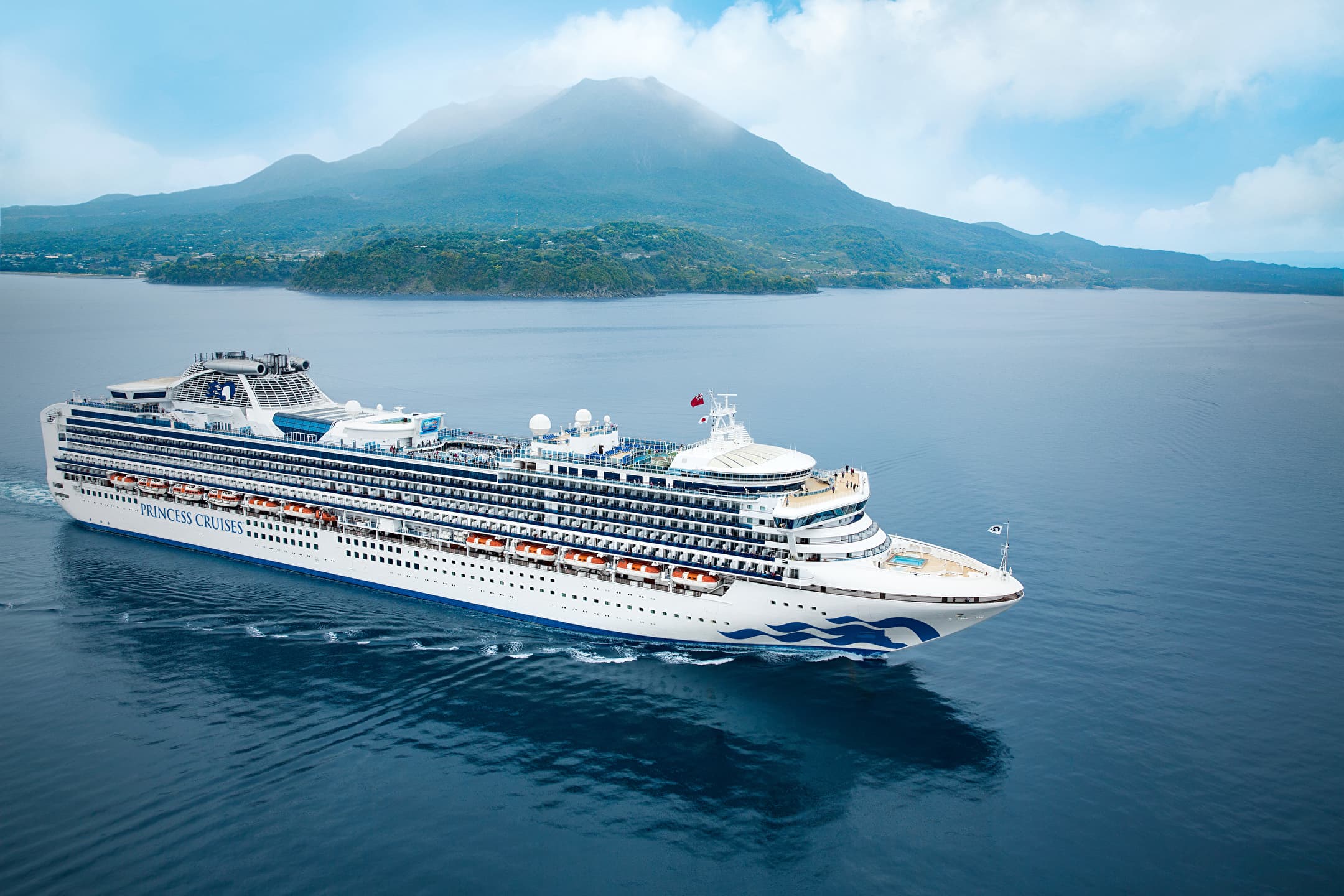
Princess Cruises · Diamond Princess
Depart
May 8, 2027
Return
May 28, 2027
Port
Yokohama, Tokyo
Nights
20 nights
At a glance
- Built
- 2004
- Tonnage
- 115875
- Cabins
- 1337
- Crew
- 1,100
Diamond Princess is a treasure trove of exceptional delights waiting to be discovered. Dine on freshly prepared sashimi in Kai Sushi, watch street performers in the dazzling Atrium, or take in a lavish production show in our state-of-the-art theater. And for a unique treat visit the Izumi Japanese Bath, the largest of its kind at sea.
Ask our cruise specialists about cruise line loyalty benefits, status match options, drinks packages, gratuities and any current offers available on this sailing.
On board

Comedy Club
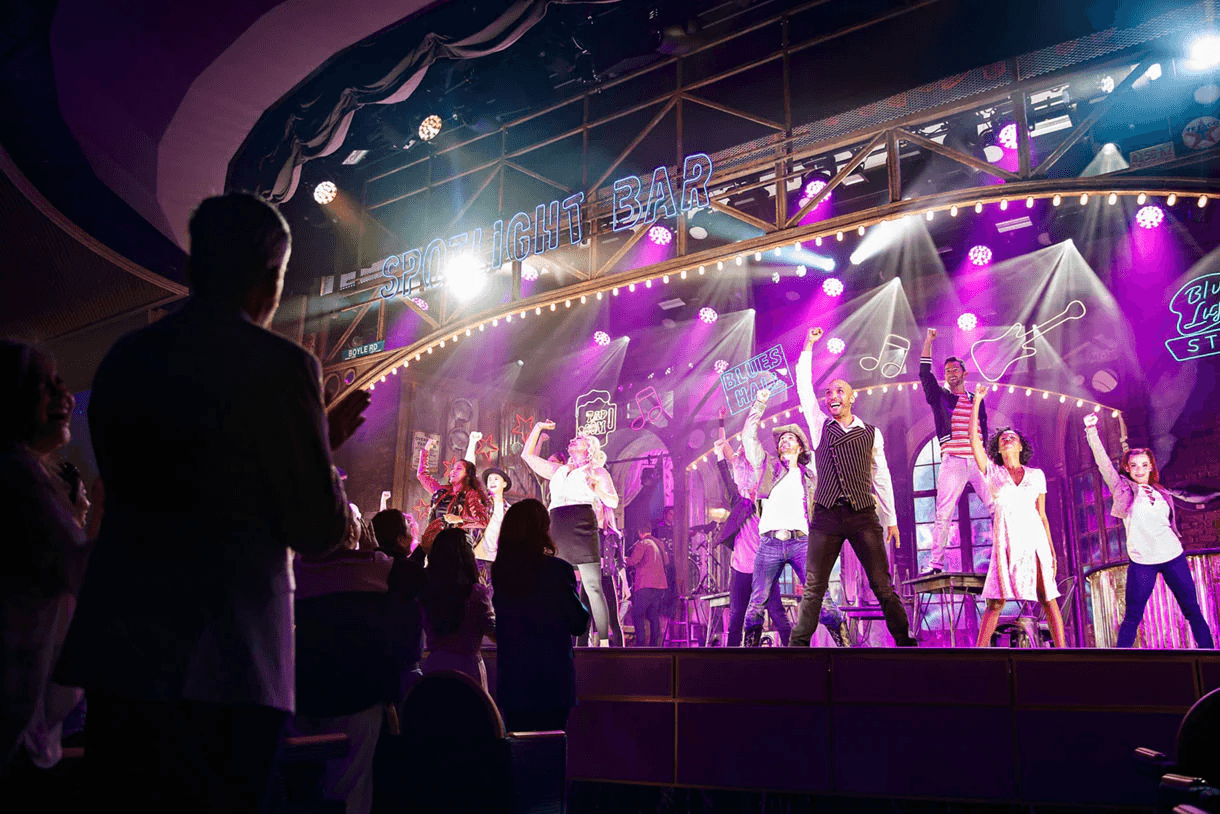
Spotlight Bar
Itinerary
Cruise from Yokohama, Tokyo and back
Day 1YokohamaMay 8, 2027 • Departs at: 3 pm
Yokohama and Edo began life as sleepy fishing villages. That changed in the early 17th century after Tokugawa Ieyasu became Shogun. Edo became the center of political power in Japan, a position the city retained even after the restoration of Imperial rule in 1866. Contemporary Tokyo may be the most astonishing city on earth. It's a paradoxical mix of ancient tradition and postmodern culture. The Ginza - an international shopping mecca - stands near the serene grounds of the Imperial Palace, and the hyper-speed of 21st century consumerism is mysteriously reconciled with the elegance and serenity of traditional culture. Tokyo provides the traveler with a dizzying experience. With the Meiji Restoration of 1868, Edo was renamed Tokyo, the "Eastern Capital," to distinguish it from the old imperial capital at Kyoto, the "Western Capital."
Day 2TobaMay 9, 2027 • Arrives at: 7 am • Departs at: 4 pm
Toba, located at the northeastern end of the Shima-hanto Peninsula in Mie, flourished as the castle town of the Kuki family who ruled this region from the 16th century. It was also a landing spot for visitors on the sea route to Ise-jingu Shrine and belongs to Ise-Shima National Park.
Day 3KobeMay 10, 2027 • Arrives at: 8 am • Departs at: 8 pm
The Port of Kobe is a Japanese maritime port in Kobe, Hyōgo in the greater Osaka area, backgrounded by the Hanshin Industrial Region.
Day 4KochiMay 11, 2027 • Arrives at: 7 am • Departs at: 3 pm
Kochi sits on the broad alluvial plain facing Urado Bay. This city in Shikoku takes its name from the great feudal castle that sits at its very heart. Completed in 1611, Kochi Castle was the seat of Yamauchi Kazutoyo, a noted warrior who supported Tokugawa Ieyasu in his successful quest to become Shogun. Tosa Province and Kochi Castle were Yamauchi's reward for faithful service. There is an historical irony here: 250 years later, a Kochi native son - a former low-ranked samurai and now ronin named Sakamoto Ryoma - played a pivotal role in bringing the Tokugawa Shogunate to an end and restoring the Emperor of Japan to political prominence. The prize once awarded for faithful service had become a hotbed of support for the Meiji Restoration. Kochi is one of the wettest places in Japan - and a frequent target for cyclonic storms or typhoons. Southeast of the city, warm oceans currents washing against the Aki Mountains create a subtropical landscape of hibiscus, palm and ficus at Muroto-An…
Day 5HiroshimaMay 12, 2027 • Arrives at: 9 am • Departs at: 7 pm
On August 6, 1945, human history was irrevocably altered when the American bomber Enola Gay dropped an atomic bomb on Hiroshima. The bomb was code-named "Little Boy," but its detonation left half the city in ruins and aflame. Today, Hiroshima is a monument not only to the destructive forces harnessed by men but also to the indomitable will of the human spirit to overcome tragedy. At the heart of the city lies Peace Memorial Park and the Atomic Bomb Dome. The gutted walls of the city's old Industry Promotion Hall and the skeletal frame that supported its copper dome, vaporized in the blast, are instantly recognizable symbols of Hiroshima. Travelers to Hiroshima will discover a more serene note at nearby Miyajima Island. One of the top-three scenic spots of Japan, the island is home to ancient Itsukushima Shrine, a designated National Treasure.
Day 6Kanmon Straits, JapanMay 13, 2027 • Arrives at: 6 am • Departs at: 8 am
The Kanmon Straits or the Straits of Shimonoseki is the stretch of water separating Honshu and Kyushu, two of Japan's four main islands. On the Honshu side of the strait is Shimonoseki and on the Kyushu side is Kitakyushu, whose former city and present ward, Moji, gave the strait its "mon".
Day 7JejuMay 14, 2027 • Arrives at: 7 am • Departs at: 4 pm
Jeju-do lying off the south coast of Korea is the warmest and wettest place in the entire country. The island is at its most beautiful in spring when the azalea blooms in a riot of delicate colours and the wooded areas display the most fascinating shades of green. In Jeju the seasons determine the changing hues of color through the island. In the autumn the color that dominates is brown and orange due to the falling leaves, in summer the aqua blue waters of the sea and golden beaches take over as in spring the brilliant yellow flowers cover the landscape. Jeju Island, also known as the "Island of the Gods," is a popular vacation spot for Koreans and many Japanese. It remains one of the top honeymoon destinations for Korean newlyweds. The island's mixture of volcanic rock, frequent rains, and temperate climate, make it very similar to the Hawaiian Islands in the U.S. The island offers visitors a wide range of activities: hiking on Halla-san (South Korea's highest peak), catching sunris…
Day 8NagasakiMay 15, 2027 • Arrives at: 7 am • Departs at: 4 pm
For most travelers, Nagasaki is a symbol of the horror and the inhumanity of war. An estimated 75,000 people perished in 1945 when the city became the second target of a nuclear attack. Today, Nagasaki's Peace Park and Atomic Bomb Museum draw visitors from around the world. But this beautiful city on Kyushu offers other sights. Often described as the San Francisco of Japan, the city occupies verdant hills surrounded by a deep-water bay. For three centuries, Nagasaki was Japan's sole window on the world. The city is also celebrated as the setting for Puccini's opera "Madame Butterfly."
Day 9At SeaMay 16, 2027
Day 10Omaezaki, JapanMay 17, 2027 • Arrives at: 9 am • Departs at: 5 pm
Omaezaki is a city located in Shizuoka Prefecture, Japan. Omaezaki is located at the tip of Omaezaki Peninsula on Japan's Pacific coast. As of 31 July 2019, the city had an estimated population of 32,422 in 12,095 households and a population density of 490 persons per km.
Day 11YokohamaMay 18, 2027 • Arrives at: 6:30 am • Departs at: 3 pm
Yokohama and Edo began life as sleepy fishing villages. That changed in the early 17th century after Tokugawa Ieyasu became Shogun. Edo became the center of political power in Japan, a position the city retained even after the restoration of Imperial rule in 1866. Contemporary Tokyo may be the most astonishing city on earth. It's a paradoxical mix of ancient tradition and postmodern culture. The Ginza - an international shopping mecca - stands near the serene grounds of the Imperial Palace, and the hyper-speed of 21st century consumerism is mysteriously reconciled with the elegance and serenity of traditional culture. Tokyo provides the traveler with a dizzying experience. With the Meiji Restoration of 1868, Edo was renamed Tokyo, the "Eastern Capital," to distinguish it from the old imperial capital at Kyoto, the "Western Capital."
Day 12At SeaMay 19, 2027
Day 13HakodateMay 20, 2027 • Arrives at: 7 am • Departs at: 4 pm
It took Commodore Perry and American gunboat diplomacy to open Japan to the outside world after two centuries of self-imposed isolation. In 1859, the port of Hakodate became the first Japanese city fully opened to Westerners under the Treaty of Amity and Commerce. Foreigners soon flocked to Hakodate, and today visitors wandering the cobblestone streets of the city's Motomachi District can view their Western-style frame houses. Hakodate, once a fishing port famed for its high quality fish and shellfish, quickly became Hokkaido's largest city and one of Japan's most important ports. The Great Hakodate Fire of 1934 dealt the city a near fatal blow - a blow from which Hakodate was slow to recover. Today the city is Hokkaido's third largest - surpassed by Sapporo and Asahikawa - but retains its foremost position as the finest Japanese producer of sushi's raw product: the high quality seafood caught in Hokkaido's cold waters. It may not compare to Tokyo's Tsukiji's Fish Market, but at Hakod…
Day 14NiigataMay 21, 2027 • Arrives at: 9 am • Departs at: 6 pm
Traditionally famous for rice making and sake production, Niigata is the place for gourmet aficionados. It is also well known for the seafood caught from the Sea of Japan. With this variety of the commodity produced locally, Niigata developed from the wealth gained through shipping and trade by Kitamae-bune, which were cargo ships operated along the Sea of Japan between Hokkaido and Osaka from mid-18th century to the end of the 19th century. To the south of Niigata is the Tsubame-Sanjo area famous today for metalworking. This derives from the production of Japanese nails used for Japanese traditional architecture. To discover Japanese craftsmanship, you will have the chance to visit the Suwada Open Factory. Also nearby is the religious center of Niigata in Yahiko. The Yahiko Shrine has gathered the devotion of the locals for more than a millennium.
Day 15At SeaMay 22, 2027
Day 16BusanMay 23, 2027 • Arrives at: 7 am • Departs at: 4 pm
The second largest city in South Korea, Busan is your gateway to a fascinating land whose culture is a unique amalgam of old and new. Modern high-rise towers dwarf ancient Buddhist temples. The city's bustling business district offers a stark contrast to the serene grounds of Yongdusan Park. In short, Busan is a microcosm of South Korea, a nation whose startling economic success often obscures one of Asia's most sophisticated and venerable cultures. Busan was the scene of bitter fighting during the Korean War. The United Nations Memorial Cemetery marks the final resting place for the troops from 16 nations who gave their lives during the conflict.
Day 17NagasakiMay 24, 2027 • Arrives at: 7 am • Departs at: 4 pm
For most travelers, Nagasaki is a symbol of the horror and the inhumanity of war. An estimated 75,000 people perished in 1945 when the city became the second target of a nuclear attack. Today, Nagasaki's Peace Park and Atomic Bomb Museum draw visitors from around the world. But this beautiful city on Kyushu offers other sights. Often described as the San Francisco of Japan, the city occupies verdant hills surrounded by a deep-water bay. For three centuries, Nagasaki was Japan's sole window on the world. The city is also celebrated as the setting for Puccini's opera "Madame Butterfly."
Day 18KagoshimaMay 25, 2027 • Arrives at: 7 am • Departs at: 4 pm
From the 12th century to the Meiji Restoration of 1868, Kagoshima was the chief stronghold of the mighty Shimazu clan. The city lies at the top of the Satsuma Peninsula, a mountainous, geothermal wonderland of hot springs and geysers. The area is also rich in modern Japanese history: Saigo Takamori and the Satsuma samurai were leaders of the Meiji Restoration that toppled the shogun and restored the Emperor to power in 1868. In 1877, dissatisfied with the direction of the new government, Saigo led the Satsuma Rebellion, which ended in his death and the final defeat of the samurai. The symbol of Kagoshima is Sakura Jima - the volcanic island that sits just offshore. The volcano has erupted over 30 times in recorded history.
Day 19KochiMay 26, 2027 • Arrives at: 9 am • Departs at: 5 pm
Kochi sits on the broad alluvial plain facing Urado Bay. This city in Shikoku takes its name from the great feudal castle that sits at its very heart. Completed in 1611, Kochi Castle was the seat of Yamauchi Kazutoyo, a noted warrior who supported Tokugawa Ieyasu in his successful quest to become Shogun. Tosa Province and Kochi Castle were Yamauchi's reward for faithful service. There is an historical irony here: 250 years later, a Kochi native son - a former low-ranked samurai and now ronin named Sakamoto Ryoma - played a pivotal role in bringing the Tokugawa Shogunate to an end and restoring the Emperor of Japan to political prominence. The prize once awarded for faithful service had become a hotbed of support for the Meiji Restoration. Kochi is one of the wettest places in Japan - and a frequent target for cyclonic storms or typhoons. Southeast of the city, warm oceans currents washing against the Aki Mountains create a subtropical landscape of hibiscus, palm and ficus at Muroto-An…
Day 20ShimizuMay 27, 2027 • Arrives at: 1 pm • Departs at: 7 pm
Sprawling, semi-rural Shimizu Ward is dominated by forested coastal mountains, with hiking trails and ropeway rides to dramatic viewpoints above Suruga Bay. Miho Beach Park is popular for swimming and water sports in summer, and there are baseball and soccer fields nearby, plus an aquarium at the Marine Science Center.
Day 21YokohamaMay 28, 2027 • Arrives at: 6:30 am
Yokohama and Edo began life as sleepy fishing villages. That changed in the early 17th century after Tokugawa Ieyasu became Shogun. Edo became the center of political power in Japan, a position the city retained even after the restoration of Imperial rule in 1866. Contemporary Tokyo may be the most astonishing city on earth. It's a paradoxical mix of ancient tradition and postmodern culture. The Ginza - an international shopping mecca - stands near the serene grounds of the Imperial Palace, and the hyper-speed of 21st century consumerism is mysteriously reconciled with the elegance and serenity of traditional culture. Tokyo provides the traveler with a dizzying experience. With the Meiji Restoration of 1868, Edo was renamed Tokyo, the "Eastern Capital," to distinguish it from the old imperial capital at Kyoto, the "Western Capital."
Cabin options
Compare the cabin types and onboard features shown for this sailing. Final price and availability are confirmed by our team when you inquire.
32 cabin grades listed for this sailing.
Next step
Cabin grades and prices
View every cabin grade and current availability on the next step.