Grand Circle Japan with Okinawa & Taiwan
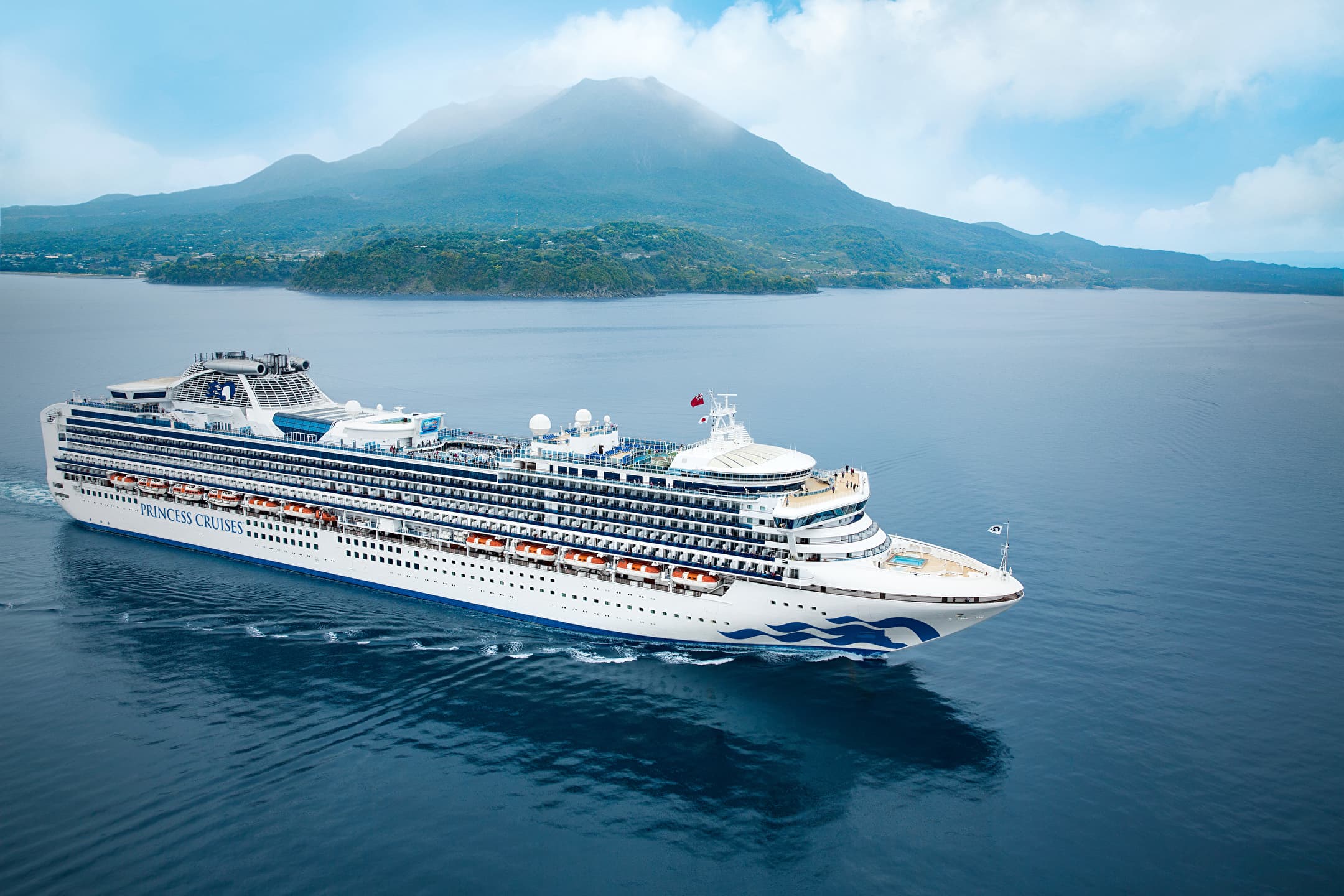
Princess Cruises · Diamond Princess
Depart
Jun 23, 2027
Return
Jul 11, 2027
Port
Yokohama, Tokyo
Nights
18 nights
At a glance
- Built
- 2004
- Tonnage
- 115875
- Cabins
- 1337
- Crew
- 1,100
Diamond Princess is a treasure trove of exceptional delights waiting to be discovered. Dine on freshly prepared sashimi in Kai Sushi, watch street performers in the dazzling Atrium, or take in a lavish production show in our state-of-the-art theater. And for a unique treat visit the Izumi Japanese Bath, the largest of its kind at sea.
Ask our cruise specialists about cruise line loyalty benefits, status match options, drinks packages, gratuities and any current offers available on this sailing.
On board
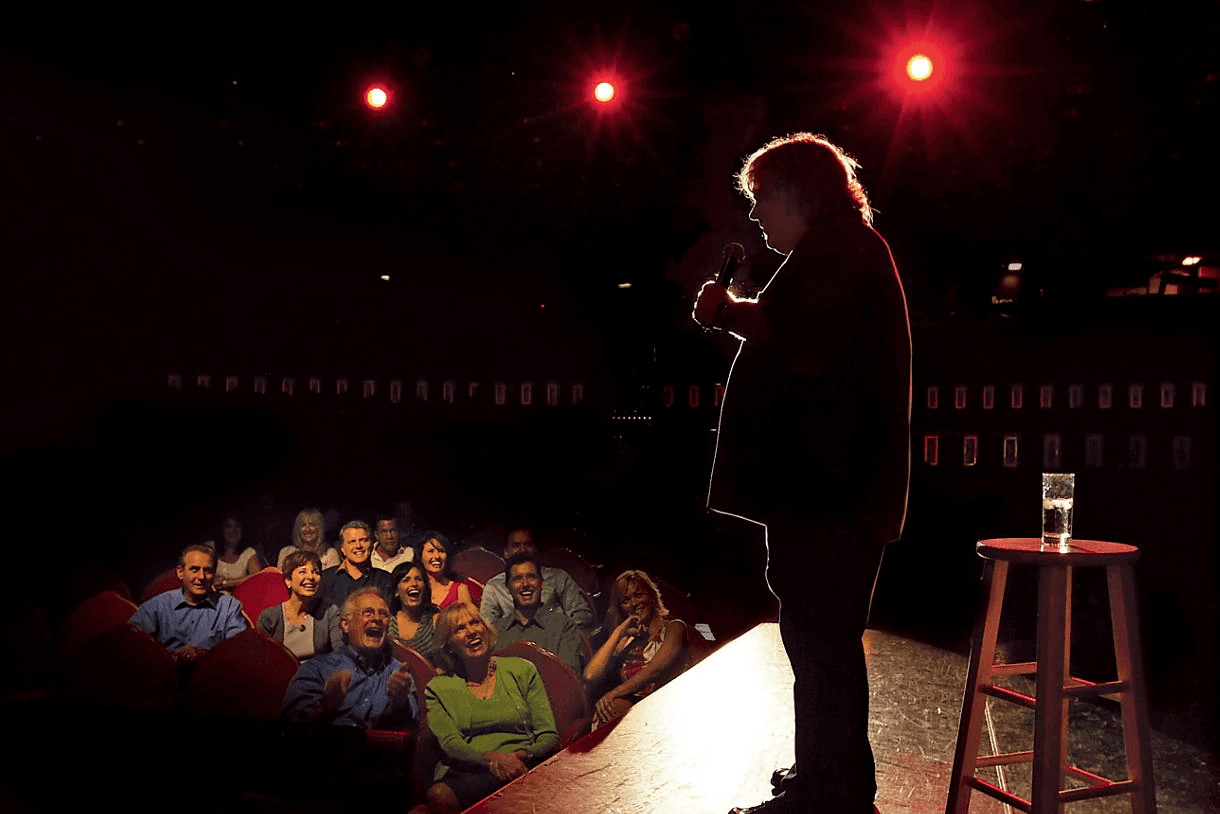
Comedy Club
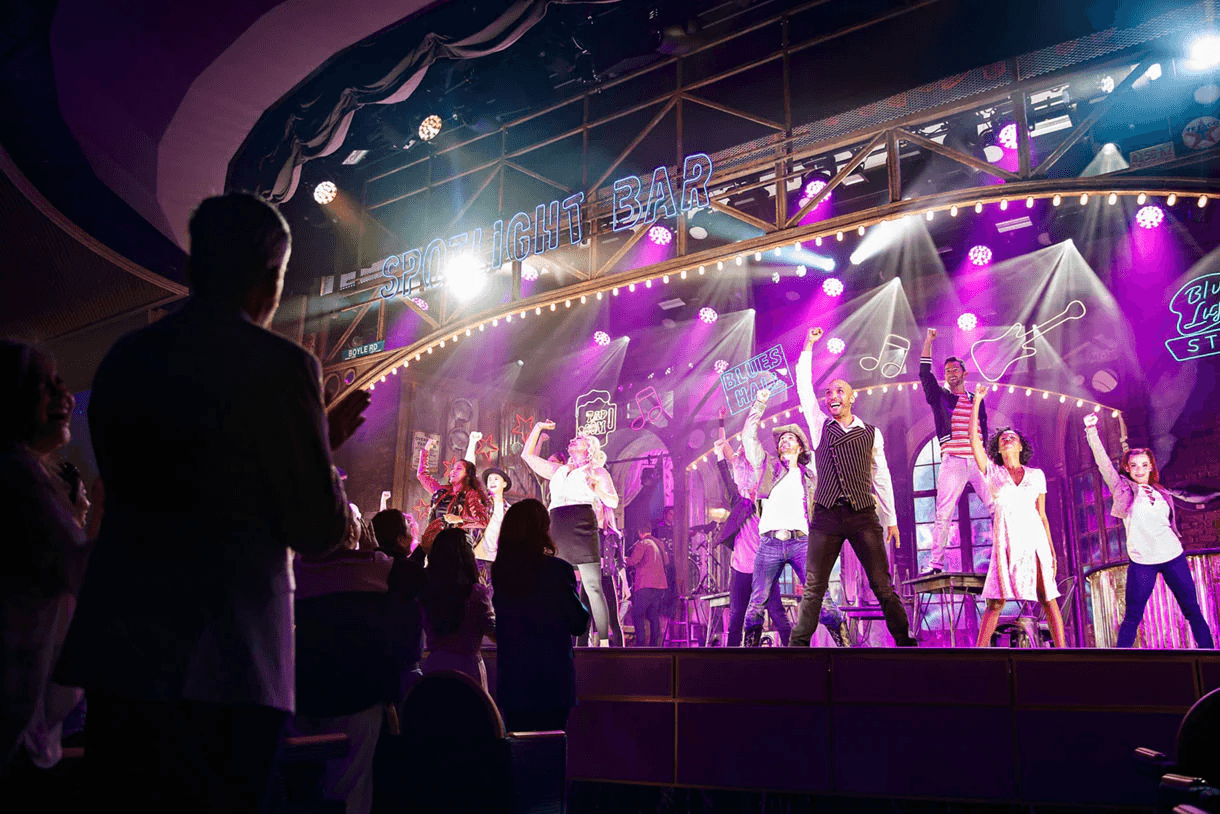
Spotlight Bar
Itinerary
Cruise from Yokohama, Tokyo and back
Day 1YokohamaJun 23, 2027 • Departs at: 3 pm
Yokohama and Edo began life as sleepy fishing villages. That changed in the early 17th century after Tokugawa Ieyasu became Shogun. Edo became the center of political power in Japan, a position the city retained even after the restoration of Imperial rule in 1866. Contemporary Tokyo may be the most astonishing city on earth. It's a paradoxical mix of ancient tradition and postmodern culture. The Ginza - an international shopping mecca - stands near the serene grounds of the Imperial Palace, and the hyper-speed of 21st century consumerism is mysteriously reconciled with the elegance and serenity of traditional culture. Tokyo provides the traveler with a dizzying experience. With the Meiji Restoration of 1868, Edo was renamed Tokyo, the "Eastern Capital," to distinguish it from the old imperial capital at Kyoto, the "Western Capital."
Day 2At SeaJun 24, 2027
Day 3At SeaJun 25, 2027
Day 4Taipei (Keelung)Jun 26, 2027 • Arrives at: 9 am
The oldest Chinese reference to Taiwan dates back to the Han Dynasty in the 3rd century B.C. However, it wasn't until the 17th century A.D. that Chinese Hakka traders first settled on the island. These bold merchants were soon followed by European and Asian adventurers seeking to control and colonize the strategic island. The most famous migration of all occurred in 1948, when the government of the Republic of China fled the mainland. Taipei is one of the world's most important commercial centers. Despite its turbulent history, Taiwan today boasts an economy that is the envy of the world. Modern Taiwan is a world leader in the production of bicycles, computer chips, plastics, chemicals and computer notebooks. Taipei is a sophisticated modern metropolis that has not forgotten its rich traditional past. The port of Keelung is your gateway to Taiwan. Visit the bustling city of Taipei and other interesting areas surrounding on this fascinating island in the East China Sea.
Day 5Taipei (Keelung)Jun 27, 2027 • Departs at: 6 pm
The oldest Chinese reference to Taiwan dates back to the Han Dynasty in the 3rd century B.C. However, it wasn't until the 17th century A.D. that Chinese Hakka traders first settled on the island. These bold merchants were soon followed by European and Asian adventurers seeking to control and colonize the strategic island. The most famous migration of all occurred in 1948, when the government of the Republic of China fled the mainland. Taipei is one of the world's most important commercial centers. Despite its turbulent history, Taiwan today boasts an economy that is the envy of the world. Modern Taiwan is a world leader in the production of bicycles, computer chips, plastics, chemicals and computer notebooks. Taipei is a sophisticated modern metropolis that has not forgotten its rich traditional past. The port of Keelung is your gateway to Taiwan. Visit the bustling city of Taipei and other interesting areas surrounding on this fascinating island in the East China Sea.
Day 6MiyakojimaJun 28, 2027 • Arrives at: 8 am • Departs at: 6 pm
Miyako Island is the largest and the most populous island among the Miyako Islands of Okinawa Prefecture, Japan. Miyako Island is administered as part of the City of Miyakojima, which includes not only Miyako Island, but also five other populated islands.
Day 7OkinawaJun 29, 2027 • Arrives at: 7 am • Departs at: 7 pm
The largest island in the Ryukyu Archipelago, Okinawa has been a center of trade and a source for conflict through its history. The island has been an independent kingdom, the feudal possession of a Japanese daimyo and a prefecture of Japan following the Meiji Restoration of 1866. Okinawa was the scene of bitter fighting during the closing days of World War II. Over 100,000 civilians perished and the island was left in ruins. A US military possession, Okinawa returned to Japanese rule in 1972. Naha is the island's largest city and the capital of Okinawa Prefecture. Okinawa is the birthplace of karate. One of the world's most popular martial arts, karate is a fusion of Chinese kung fu and traditional island martial arts.
Day 8At SeaJun 30, 2027
Day 9At SeaJul 1, 2027
Day 10YokohamaJul 2, 2027 • Arrives at: 6:30 am • Departs at: 3 pm
Yokohama and Edo began life as sleepy fishing villages. That changed in the early 17th century after Tokugawa Ieyasu became Shogun. Edo became the center of political power in Japan, a position the city retained even after the restoration of Imperial rule in 1866. Contemporary Tokyo may be the most astonishing city on earth. It's a paradoxical mix of ancient tradition and postmodern culture. The Ginza - an international shopping mecca - stands near the serene grounds of the Imperial Palace, and the hyper-speed of 21st century consumerism is mysteriously reconciled with the elegance and serenity of traditional culture. Tokyo provides the traveler with a dizzying experience. With the Meiji Restoration of 1868, Edo was renamed Tokyo, the "Eastern Capital," to distinguish it from the old imperial capital at Kyoto, the "Western Capital."
Day 11At SeaJul 3, 2027
Day 12HakodateJul 4, 2027 • Arrives at: 7 am • Departs at: 5 pm
It took Commodore Perry and American gunboat diplomacy to open Japan to the outside world after two centuries of self-imposed isolation. In 1859, the port of Hakodate became the first Japanese city fully opened to Westerners under the Treaty of Amity and Commerce. Foreigners soon flocked to Hakodate, and today visitors wandering the cobblestone streets of the city's Motomachi District can view their Western-style frame houses. Hakodate, once a fishing port famed for its high quality fish and shellfish, quickly became Hokkaido's largest city and one of Japan's most important ports. The Great Hakodate Fire of 1934 dealt the city a near fatal blow - a blow from which Hakodate was slow to recover. Today the city is Hokkaido's third largest - surpassed by Sapporo and Asahikawa - but retains its foremost position as the finest Japanese producer of sushi's raw product: the high quality seafood caught in Hokkaido's cold waters. It may not compare to Tokyo's Tsukiji's Fish Market, but at Hakod…
Day 13NiigataJul 5, 2027 • Arrives at: 9 am • Departs at: 6 pm
Traditionally famous for rice making and sake production, Niigata is the place for gourmet aficionados. It is also well known for the seafood caught from the Sea of Japan. With this variety of the commodity produced locally, Niigata developed from the wealth gained through shipping and trade by Kitamae-bune, which were cargo ships operated along the Sea of Japan between Hokkaido and Osaka from mid-18th century to the end of the 19th century. To the south of Niigata is the Tsubame-Sanjo area famous today for metalworking. This derives from the production of Japanese nails used for Japanese traditional architecture. To discover Japanese craftsmanship, you will have the chance to visit the Suwada Open Factory. Also nearby is the religious center of Niigata in Yahiko. The Yahiko Shrine has gathered the devotion of the locals for more than a millennium.
Day 14At SeaJul 6, 2027
Day 15BusanJul 7, 2027 • Arrives at: 7 am • Departs at: 4 pm
The second largest city in South Korea, Busan is your gateway to a fascinating land whose culture is a unique amalgam of old and new. Modern high-rise towers dwarf ancient Buddhist temples. The city's bustling business district offers a stark contrast to the serene grounds of Yongdusan Park. In short, Busan is a microcosm of South Korea, a nation whose startling economic success often obscures one of Asia's most sophisticated and venerable cultures. Busan was the scene of bitter fighting during the Korean War. The United Nations Memorial Cemetery marks the final resting place for the troops from 16 nations who gave their lives during the conflict.
Day 16NagasakiJul 8, 2027 • Arrives at: 7 am • Departs at: 4 pm
For most travelers, Nagasaki is a symbol of the horror and the inhumanity of war. An estimated 75,000 people perished in 1945 when the city became the second target of a nuclear attack. Today, Nagasaki's Peace Park and Atomic Bomb Museum draw visitors from around the world. But this beautiful city on Kyushu offers other sights. Often described as the San Francisco of Japan, the city occupies verdant hills surrounded by a deep-water bay. For three centuries, Nagasaki was Japan's sole window on the world. The city is also celebrated as the setting for Puccini's opera "Madame Butterfly."
Day 17KagoshimaJul 9, 2027 • Arrives at: 7 am • Departs at: 4 pm
From the 12th century to the Meiji Restoration of 1868, Kagoshima was the chief stronghold of the mighty Shimazu clan. The city lies at the top of the Satsuma Peninsula, a mountainous, geothermal wonderland of hot springs and geysers. The area is also rich in modern Japanese history: Saigo Takamori and the Satsuma samurai were leaders of the Meiji Restoration that toppled the shogun and restored the Emperor to power in 1868. In 1877, dissatisfied with the direction of the new government, Saigo led the Satsuma Rebellion, which ended in his death and the final defeat of the samurai. The symbol of Kagoshima is Sakura Jima - the volcanic island that sits just offshore. The volcano has erupted over 30 times in recorded history.
Day 18At SeaJul 10, 2027
Day 19YokohamaJul 11, 2027 • Arrives at: 6:30 am
Yokohama and Edo began life as sleepy fishing villages. That changed in the early 17th century after Tokugawa Ieyasu became Shogun. Edo became the center of political power in Japan, a position the city retained even after the restoration of Imperial rule in 1866. Contemporary Tokyo may be the most astonishing city on earth. It's a paradoxical mix of ancient tradition and postmodern culture. The Ginza - an international shopping mecca - stands near the serene grounds of the Imperial Palace, and the hyper-speed of 21st century consumerism is mysteriously reconciled with the elegance and serenity of traditional culture. Tokyo provides the traveler with a dizzying experience. With the Meiji Restoration of 1868, Edo was renamed Tokyo, the "Eastern Capital," to distinguish it from the old imperial capital at Kyoto, the "Western Capital."
Cabin options
Compare the cabin types and onboard features shown for this sailing. Final price and availability are confirmed by our team when you inquire.
32 cabin grades listed for this sailing.
Next step
Cabin grades and prices
View every cabin grade and current availability on the next step.