
Grand Circle Japan with Fall Foliage
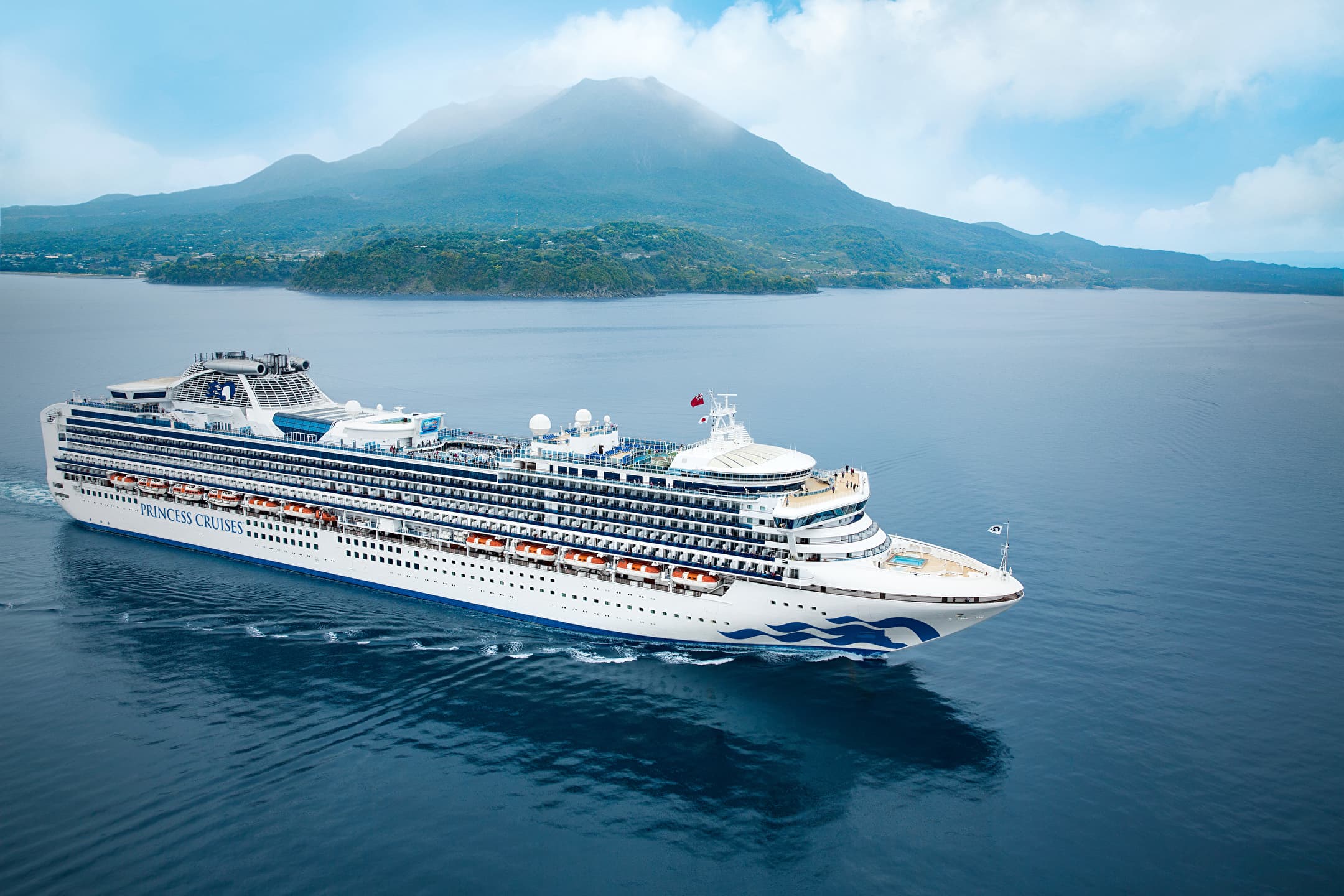
Princess Cruises · Diamond Princess
Depart
Nov 13, 2027
Return
Nov 27, 2027
Port
Yokohama, Tokyo
Nights
14 nights
At a glance
- Built
- 2004
- Tonnage
- 115875
- Cabins
- 1337
- Crew
- 1,100
Diamond Princess is a treasure trove of exceptional delights waiting to be discovered. Dine on freshly prepared sashimi in Kai Sushi, watch street performers in the dazzling Atrium, or take in a lavish production show in our state-of-the-art theater. And for a unique treat visit the Izumi Japanese Bath, the largest of its kind at sea.
Ask our cruise specialists about cruise line loyalty benefits, status match options, drinks packages, gratuities and any current offers available on this sailing.
On board

Internet Cafe
Itinerary
Cruise from Yokohama, Tokyo and back
Day 1YokohamaNov 13, 2027 • Departs at: 3 pm
Yokohama and Edo began life as sleepy fishing villages. That changed in the early 17th century after Tokugawa Ieyasu became Shogun. Edo became the center of political power in Japan, a position the city retained even after the restoration of Imperial rule in 1866. Contemporary Tokyo may be the most astonishing city on earth. It's a paradoxical mix of ancient tradition and postmodern culture. The Ginza - an international shopping mecca - stands near the serene grounds of the Imperial Palace, and the hyper-speed of 21st century consumerism is mysteriously reconciled with the elegance and serenity of traditional culture. Tokyo provides the traveler with a dizzying experience. With the Meiji Restoration of 1868, Edo was renamed Tokyo, the "Eastern Capital," to distinguish it from the old imperial capital at Kyoto, the "Western Capital."
Day 2At SeaNov 14, 2027
Day 3Miyako, JapanNov 15, 2027 • Arrives at: 7 am • Departs at: 5 pm
A pretty prefecture located on the northeastern coast of Honshu, Japan's main island, Miyako, Iwate, is situated along the Pacific coast surrounded by stunning scenery of Sanriku Fukko National Park and a sandy coastline defined by dramatic rock formations carved by the pounding surf. This iconic landscape invokes images of the 'Pure Land,' a Buddhist concept of paradise, and is best appreciated from the deck of a cruise boat on the waters of Jodogahama. The city's natural wonders are woven within its cultural highlights, and a visit to Kamaishi Daikannon Statue, a towering statue of the Buddhist 'Goddess of Mercy,' showcases sparkling Kamaishi Bay, while the historic Rokando Cave, is home to "the waterfall of the heavenly cave," an underground cascade. No visit to Miyako's shores would be complete without paying reverence to the tragedy that occurred on March 11, 2011, when a powerful earthquake triggered a devastating 17-meterhigh tsunami. The Taro Kanko Hotel Tsunami Remains is a t…
Day 4AomoriNov 16, 2027 • Arrives at: 7 am • Departs at: 5 pm
The capital of the Aomori Prefecture in northern Japan, Aomori derives much of its beauty from the apple orchards and cherry blossoms that encompass its landscape and the snow-covered Hakkoda Mountains that look on from a distance. Throughout its history, the city has been stricken with misfortune time and time again - in 1910, a fire destroyed Aomori, and during World War II, the city was left in ruins following an air raid - yet it always prevails. Aomori is cherished by many who believe a local legend that the grave of Jesus Christ lies within the southern part of Aomori prefecture. However, Aomori is perhaps best known for its renowned Nebuta Festival, an elaborate yearly event in which participants illuminate giant paper representations of samurai warriors, animals, and popular cartoon characters while parading them through the streets.
Day 5Sakata, JapanNov 17, 2027 • Arrives at: 7 am • Departs at: 3 pm
Sakatais a medium-sized city in Yamagata Prefecture. Sakata is located in the fertile Shonai Plain that is known for its high-quality rice. The city grew as an important stop along the coastal shipping route that connected Hokkaido with Osaka via ports along the Sea of Japan and Seto Inland Sea during the Edo Period. A local merchant family, the Honma clan, came to dominate trade in the city and accrued a vast fortune that made them wealthier than some of the country's feudal lords. Due to their power and influence, the clan developed close ties with the local lords and had a number of lavish buildings built. Some of these buildings still stand today along with museums and other attractions.
Day 6Tsuruga, JapanNov 18, 2027 • Arrives at: 10 am • Departs at: 7 pm
The serene calm of this largest city in the Wakasa region of Japan is one steeped in culture and poetic tales. The brilliant, wandering, Edo poet Matsua Basho was inspired to write a haiku about the glimmer of the moonlight over Tsuraga Bay, and the plethora of artisan crafts from lacquerware to washi (Japanese paper) keep the traditions of cultural beauty alive today. The area is home to one of the most picturesque pine groves in the country at Kehi-no-Matsubara, where white-sand beaches fringe the fragrant green boughs of the magnificent pines. The area of Mikata-goko is home to five sparkling, small lakes with colors ranging from turquoise blue to jade green, and the region is home to a number of important, brightly painted shrines. The Kehi-jingu Shrine was reared in 702 and a massive, vermillion, wooden torii gate was re-constructed in 1645. Museums abound, and the Fukui Prefectural Dinosaur Museum is popular with families wanting to explore the origins of the prehistoric world,…
Day 7At SeaNov 19, 2027
Day 8JejuNov 20, 2027 • Arrives at: 7 am • Departs at: 3 pm
Jeju-do lying off the south coast of Korea is the warmest and wettest place in the entire country. The island is at its most beautiful in spring when the azalea blooms in a riot of delicate colours and the wooded areas display the most fascinating shades of green. In Jeju the seasons determine the changing hues of color through the island. In the autumn the color that dominates is brown and orange due to the falling leaves, in summer the aqua blue waters of the sea and golden beaches take over as in spring the brilliant yellow flowers cover the landscape. Jeju Island, also known as the "Island of the Gods," is a popular vacation spot for Koreans and many Japanese. It remains one of the top honeymoon destinations for Korean newlyweds. The island's mixture of volcanic rock, frequent rains, and temperate climate, make it very similar to the Hawaiian Islands in the U.S. The island offers visitors a wide range of activities: hiking on Halla-san (South Korea's highest peak), catching sunris…
Day 9Yatsushiro, JapanNov 21, 2027 • Arrives at: 7 am • Departs at: 4 pm
Yatsushiro city was developed around a beautiful Shinto shrine, built during the Heian era (794–1185). Situated along the delta of the Kuma River, facing Yatsushiro Bay, this castle town and its ruins still showcase the spirit of the city. A visit to the ruins of Yatsushiro Castle (now part of a Shinto shrine) is a good place to begin your day. Another fun and scenic landmark is the flight of 777 stairs cut into the nearby mountains. Visitors are rewarded with panoramic views from the top – there are benches to rest on along the way! Yatsushiro is famous for its 16th century pottery designed with a distinctive blue-gray crackled glaze with white inlay. Craft enthusiast and collectors can visit three Kodayaki kilns in the area. Shopping enthusiasts will also enjoy the honmachi, a covered arcade that runs the length of several city blocks, and adventurous foodies can partake in some of the city's most exotic local fare, including Basashi, raw horse meat served with soy and garlic, a del…
Day 10KagoshimaNov 22, 2027 • Arrives at: 7 am • Departs at: 4 pm
From the 12th century to the Meiji Restoration of 1868, Kagoshima was the chief stronghold of the mighty Shimazu clan. The city lies at the top of the Satsuma Peninsula, a mountainous, geothermal wonderland of hot springs and geysers. The area is also rich in modern Japanese history: Saigo Takamori and the Satsuma samurai were leaders of the Meiji Restoration that toppled the shogun and restored the Emperor to power in 1868. In 1877, dissatisfied with the direction of the new government, Saigo led the Satsuma Rebellion, which ended in his death and the final defeat of the samurai. The symbol of Kagoshima is Sakura Jima - the volcanic island that sits just offshore. The volcano has erupted over 30 times in recorded history.
Day 11BeppuNov 23, 2027 • Arrives at: 9 am • Departs at: 5 pm
Ominous steam rises from the Japanese island of Kyushu where Beppu lies in wait. But not to worry - this legendary tourist town is renowned for its healing geothermal waters and spas. Overlooking Beppu Bay to its east and protected from the west by dramatic mountain peaks, this exotic city is blanketed with misty turquoise waters and elegant Japanese foliage. Its main attraction is the "Hells of Beppu," a collection of nine stunning onsen, or hot springs, some of which feature geysers and colorful waters in shades from white to copper to sapphire. The springs' names, including Kamado-Jigoku (Boiling Hell) and Oniyama-Jigoku (Demon Mountain Hell), are somewhat misleading as all of the hot springs are breathtakingly beautiful rather than frightening - though your nose may cower and crinkle at the sulfurous odor they emit!
Day 12OsakaNov 24, 2027 • Arrives at: 9 am • Departs at: 10 pm
For centuries, Osaka was Japan's cultural and commercial gateway to Asia - the point of entry both for trade goods and, most importantly, cultural influences that shaped Japanese society. From tea to Zen, from art to science and philosophy, Osaka was Japan's contact with the great East Asian cultures that flourished in China and Korea. The city reached its zenith in the late 16th century, when the great feudal lord Toyotomi Hideyoshi made Osaka his capital. Toyotomi was master of Japan, and an immense administrative and commercial center rapidly developed around Osaka Castle. After Toyotomi's death, the nation's seat of power shifted from Osaka to a sleepy little fishing village called Edo - modern Tokyo. While overshadowed by Tokyo, Osaka remains Japan's second largest city and a vital commercial center. Modern Osaka is home to monuments from Japan's past including Toyotomi's immense castle and the Sumiyoshi Shrine. The city is also your gateway to Kyoto, Japan's ancient imperial cap…
Day 13Wakayama, JapanNov 25, 2027 • Arrives at: 7 am • Departs at: 4 pm
The bustling port of Shimotsu is the gateway to Wakayama Prefecture and its capital city. With over 372 miles (600 km) of coastline, all of the delights of the sea are on offer, including snorkeling, swimming or scuba diving off one of its many white-sand beaches, marveling at the underwater world on display at the aquarium in the Museum of Natural History, and watching the intricate process of preparing a massive tuna in the Kuroshio Market. Known as 'Onsen Heaven', Wakayama is home to a variety of geothermal bathing experiences, a treasured Japanese tradition for centuries. Nearby are the hilltop Wakayama Castle, with park-like grounds, and the resort island of Wakayama Marina City. For those looking for a more active experience, there is everything from animal encounters at Adventure World to a walking tour along the sacred paths of the 1,200-year-old Koyasan monastery complex, a UNESCO World Heritage Site. When hunger strikes, try some Wakayama ramen made with a tasty soy sauce. A…
Day 14Omaezaki, JapanNov 26, 2027 • Arrives at: 9 am • Departs at: 5 pm
Omaezaki is a city located in Shizuoka Prefecture, Japan. Omaezaki is located at the tip of Omaezaki Peninsula on Japan's Pacific coast. As of 31 July 2019, the city had an estimated population of 32,422 in 12,095 households and a population density of 490 persons per km.
Day 15YokohamaNov 27, 2027 • Arrives at: 6:30 am
Yokohama and Edo began life as sleepy fishing villages. That changed in the early 17th century after Tokugawa Ieyasu became Shogun. Edo became the center of political power in Japan, a position the city retained even after the restoration of Imperial rule in 1866. Contemporary Tokyo may be the most astonishing city on earth. It's a paradoxical mix of ancient tradition and postmodern culture. The Ginza - an international shopping mecca - stands near the serene grounds of the Imperial Palace, and the hyper-speed of 21st century consumerism is mysteriously reconciled with the elegance and serenity of traditional culture. Tokyo provides the traveler with a dizzying experience. With the Meiji Restoration of 1868, Edo was renamed Tokyo, the "Eastern Capital," to distinguish it from the old imperial capital at Kyoto, the "Western Capital."
Cabin options
Compare the cabin types and onboard features shown for this sailing. Final price and availability are confirmed by our team when you inquire.
32 cabin grades listed for this sailing.
Next step
Cabin grades and prices
View every cabin grade and current availability on the next step.