Puerto Williams to Walvis Bay
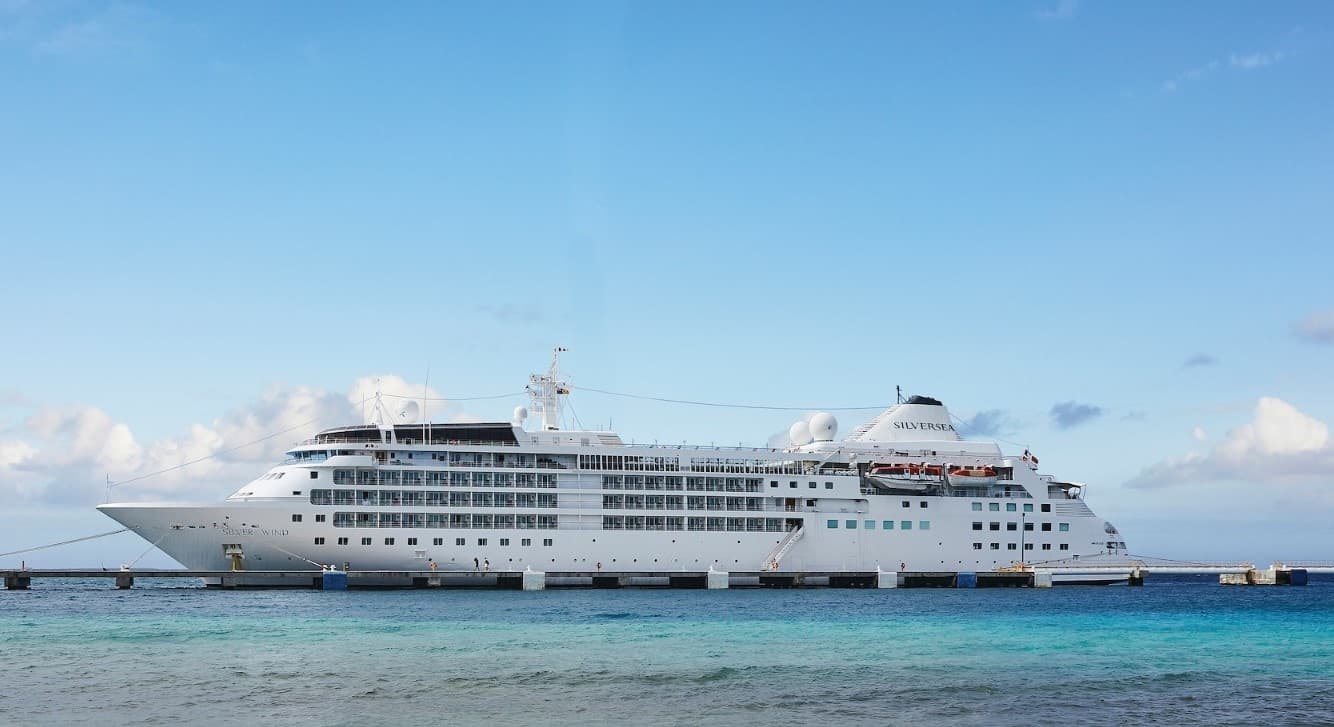
Silversea · Silver Wind
Depart
Mar 9, 2028
Return
Mar 30, 2028
Port
Puerto Williams, Chile
Nights
21 nights
At a glance
- Built
- 1995
- Tonnage
- 17400
- Cabins
- 148
- Crew
- 222
A major upgrade in December 2018 will see Silver Wind looking better than ever. A second refurbishment in summer 2020 will see her benefitting from a strengthened to ice-class hull and will make her one of the most adaptable ships in our fleet.
Ask our cruise specialists about cruise line loyalty benefits, status match options, drinks packages, gratuities and any current offers available on this sailing.
On board
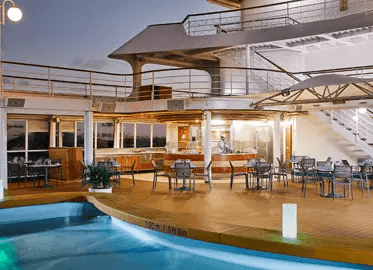
The Grill
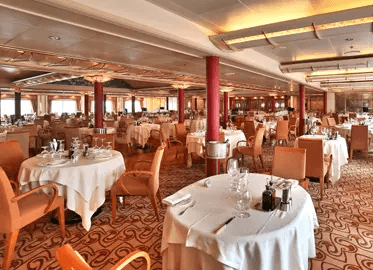
The Restaurant
Itinerary
Cruise from Puerto Williams, Chile to Walvis Bay
Day 1Cruise departs from Puerto Williams, ChileMar 9, 2028 • Departs at: 9 pm
Puerto Williams is a town on Navarino Island in the Beagle Channel in Chile’s far south. Part of the Tierra del Fuego archipelago, it’s known as a starting point for trips around Cape Horn. It’s also a gateway to trails around the jagged peaks of the nearby Dientes de Navarino. In town, the Martin Gusinde Anthropological Museum traces the history of the region’s former inhabitants, the indigenous Yaghan people.
Day 2At SeaMar 10, 2028
Day 3West Point IslandMar 11, 2028 • Arrives at: 6 am • Departs at: 11:30 am
A north-westerly outpost of the scenic Falkland Islands, you'll be welcomed ashore by the calls and cries of a huge colony of black-browed albatross. Indeed, the island was originally known as Albatross Island before being renamed to reflect its geographic location. While the albatrosses - that flash white feathers in the rugged cliffs above the waves - are the most well known residents, they are far from the only animal inhabitants of this remote, isolated land. View less A huge army of birdlife calls the island sanctuary home, overwhelming the tiny human population and sheep that roam West Point Island's grasses. Meet the rockhopper penguins who scamper and burrow along the coast's boulders, as well as the imperial cormorants who rest here in great numbers. You're also liekly to encounter Magellanic penguins during your explorations. Hike the island's quiet landscapes, and look out for endemic plants like Felton's flower carpeting the green interior. Decorated with some of the archi…
Day 3Saunders IslandMar 11, 2028 • Arrives at: 2 pm • Departs at: 7 pm
Meet some of the world’s most incredible wildlife, on the remote Saunders Island. Sitting to the north-west of the Falkland’s archipelago, the British established their first settlement here in 1765, at Port Egmont. Remote, wild and wonderful, the island now serves as a lush grazing ground for plenty of sheep - but it's an astonishing place to encounter far rarer animals - from elephant seals to silvery grebes and Peale’s dolphins. View less Connected by sinewy links of beach and sandy dunes, which create some of the most dramatic scenery in the Falklands, the archipelago’s fourth biggest island is home to its best birdlife - including a colony of neatly tuxedoed king penguins. Saunders Island's topography tightens at The Neck - where you'll find even more penguin activity. Colonies squark and chatter in huge crowds here, with Gentoo, Rockhopper and Magellanic penguins dipping into the water, and clambering over boulders. A gentle hike to the summit of Mount Richards will take you 457…
Day 4Port Stanley, Falkland IslandsMar 12, 2028 • Arrives at: 8 am
Tiny Stanley, capital of the Falklands, seems in many ways like a British village fallen out of the sky. Many homes are painted in bright colors, adding visual appeal to this distant outpost. Not far offshore, the wreck of the Lady Elizabeth, is one of the many vessels remaining as a silent testimonial to the region's frequent harsh weather conditions. The islands, also known by their Spanish name of Islas Malvinas, are home to arguably more tuxedo-clad inhabitants of the penguin variety than human residents. Various species, such as Gentoo, King and the more elusive Macaroni penguins, either live here permanently or use the Falklands as a stopover on their migration route. Giant Sea Elephants and Southern Sea Lions also come here to breed and give birth. Darwin found the islands' flora and fauna fascinating — no doubt you will, too.
Day 5At SeaMar 13, 2028
Day 6South GeorgiaMar 14, 2028 • Arrives at: 1 pm • Departs at: 1 pm
Charcoal-black mountains ladled with snow, giant glaciers and thriving wildlife combine to make South Georgia one of the great natural islands. Adventure to these far flung lands - where the animals are in charge and humans come a distant second. Here you'll witness a cacophony of calling birds, natural set pieces like elephant seals clashing and thrashing, and crowds of colourful king penguins stretching out as far as the eye can see. View less An overseas territory of the UK, these isolated, subantarctic islands once formed a remote whaling centre - and you can still visit the former whaling stations. Nowadays the giants of the sea are free to cruise the icy waters uninhibited. Written into explorer history due to its links with Ernest Shackleton’s tale of Antarctic exploration, shipwreck and survival, the Endurance’s crew were saved when he reached the salvation of these shores in 1916 - before returning to collect the remaining sailors from Elephant Island. A museum commemorates t…
Day 7South GeorgiaMar 15, 2028
Charcoal-black mountains ladled with snow, giant glaciers and thriving wildlife combine to make South Georgia one of the great natural islands. Adventure to these far flung lands - where the animals are in charge and humans come a distant second. Here you'll witness a cacophony of calling birds, natural set pieces like elephant seals clashing and thrashing, and crowds of colourful king penguins stretching out as far as the eye can see. View less An overseas territory of the UK, these isolated, subantarctic islands once formed a remote whaling centre - and you can still visit the former whaling stations. Nowadays the giants of the sea are free to cruise the icy waters uninhibited. Written into explorer history due to its links with Ernest Shackleton’s tale of Antarctic exploration, shipwreck and survival, the Endurance’s crew were saved when he reached the salvation of these shores in 1916 - before returning to collect the remaining sailors from Elephant Island. A museum commemorates t…
Day 8South GeorgiaMar 16, 2028
Charcoal-black mountains ladled with snow, giant glaciers and thriving wildlife combine to make South Georgia one of the great natural islands. Adventure to these far flung lands - where the animals are in charge and humans come a distant second. Here you'll witness a cacophony of calling birds, natural set pieces like elephant seals clashing and thrashing, and crowds of colourful king penguins stretching out as far as the eye can see. View less An overseas territory of the UK, these isolated, subantarctic islands once formed a remote whaling centre - and you can still visit the former whaling stations. Nowadays the giants of the sea are free to cruise the icy waters uninhibited. Written into explorer history due to its links with Ernest Shackleton’s tale of Antarctic exploration, shipwreck and survival, the Endurance’s crew were saved when he reached the salvation of these shores in 1916 - before returning to collect the remaining sailors from Elephant Island. A museum commemorates t…
Day 9South GeorgiaMar 17, 2028 • Arrives at: 11 am • Departs at: 11 am
Charcoal-black mountains ladled with snow, giant glaciers and thriving wildlife combine to make South Georgia one of the great natural islands. Adventure to these far flung lands - where the animals are in charge and humans come a distant second. Here you'll witness a cacophony of calling birds, natural set pieces like elephant seals clashing and thrashing, and crowds of colourful king penguins stretching out as far as the eye can see. View less An overseas territory of the UK, these isolated, subantarctic islands once formed a remote whaling centre - and you can still visit the former whaling stations. Nowadays the giants of the sea are free to cruise the icy waters uninhibited. Written into explorer history due to its links with Ernest Shackleton’s tale of Antarctic exploration, shipwreck and survival, the Endurance’s crew were saved when he reached the salvation of these shores in 1916 - before returning to collect the remaining sailors from Elephant Island. A museum commemorates t…
Day 10At SeaMar 18, 2028
Day 11At SeaMar 19, 2028
Day 12At SeaMar 20, 2028
Day 13Gough Island, St HelenaMar 21, 2028 • Arrives at: 12:30 pm • Departs at: 6:30 pm
Look for Gough Island on a map, and you'll struggle to locate it, cast far into the expanse of the South Atlantic Ocean. An almost entirely uninhabited volcanic island, barely within the grasp of humans historically, just a small bunch of hardy researchers live here. They share their home - a full 1,700 miles to the west of Cape Town - with a stunning array of seabirds, including endemic species like the Gough moorhen and Gough bunting. View less Part of the UK overseas territory of St Helena, Ascension and Tristan da Cunha - the world's most remote inhabited archipelago - Gough Island forms part of a remarkable UNESCO World Heritage Site and serves as a vital island sanctuary for rare and celebrated birdlife. Blasted by harsh winds and rough seas throughout the year, Gough Island's coastline has been shaped and sculpted into a dramatic, imposing site. An island of extraordinary wildlife, migrating whales cruise through the waters around it, while colonies of albatross and rockhopper…
Day 14Nightingale IslandMar 22, 2028 • Arrives at: 2 pm • Departs at: 7 pm
Uninhabited except for the majestic, million-plus seabirds that call this castaway island home, it doesn't get much more raw and remote than Nightingale Island. Adrift between South America and Africa, in the Tristan da Cunha archipelago, the island takes its name from British explorer Gamaliel Nightingale and is the smallest of these distant volcanic lands. Craggy coastline and rugged cliffs rise imposingly from the waters of the South Atlantic, as you approach this remote volcano island - which erupted most recently in 2004. View less Largely free from human interference, Nightingale Island is known for the abundant birdlife that thrives here and is a shelter for some of the world’s rarest species. Designated as an Endemic Bird Area and an Important Bird Area, the island's birds are awarded special protection, and only select visits to these shores are permitted. Amid the cawing and calling of the island’s endless flocks, you can spot the rare canary-like Nightingale bunting, and Wi…
Day 15Tristan Da CunhaMar 23, 2028 • Arrives at: 7 am • Departs at: 7 pm
Sailing to these lonely volcanic islands feels a little like dropping off the map, as you aim for the seemingly endless ocean horizon. A true adventure, the journey rewards generously, as you track down the world's most remote archipelago, and discover its incredible, endemic birdlife. A full 1,500 miles away from the nearest neighbour, St. Helena, it's fair to say that the Tristan Da Cunha archipelago is a long way off of the beaten path. Venture to the only inhabited island, where a hardy 250 souls live out their lives. View less Tristan Da Cunha was first discovered at the beginning of the 16th century by Portuguese explorer Tristao da Cuhna - who named the island after himself. He was unable to actually step out onto its land, however, as the waves churned violently below his ship, rendering the shores inaccessible. A volcanic island, the 2,000-metre tall Queen Mary’s Peak dominates it - although the islanders were unaware of its sleeping power until it rumbled into life in 1961.…
Day 16Inaccessible islandMar 24, 2028 • Arrives at: 6:30 am • Departs at: 12 pm
Day 17At SeaMar 25, 2028
Day 18At SeaMar 26, 2028
Day 19At SeaMar 27, 2028
Day 20At SeaMar 28, 2028
Day 21Walvis Bay, NamibiaMar 29, 2028 • Arrives at: 11 am
Formerly a whaling station, Walvis Bay has become the principal port of entry into Namibia. In 1795, while occupied by the British, Walvis Bay was turned into a naval base in order to monitor and intimidate the empire's European rivals during the so-called "scramble for Africa." When Namibia gained independence in 1990, Walvis Bay and the surrounding enclave remained part of South Africa until February 28, 1994. On this date the enclave was transferred to Namibian control, ending a long disputed claim between the two countries. The town is very much built for the harbor, with numbered streets forming an unexciting, but easily navigable grid around it. The city center can be covered on foot. Of special note are the municipal buildings, decorated with attractive wood carvings from Namibia's Kavango region. Exhibits at the local museum illustrate the history of the town and the indigenous Topnaar people. The lagoon on the outskirts of Walvis Bay is home to a bird sanctuary. Flocks of fla…
Day 22Cruise returns to Walvis BayMar 30, 2028
Formerly a whaling station, Walvis Bay has become the principal port of entry into Namibia. In 1795, while occupied by the British, Walvis Bay was turned into a naval base in order to monitor and intimidate the empire's European rivals during the so-called "scramble for Africa." When Namibia gained independence in 1990, Walvis Bay and the surrounding enclave remained part of South Africa until February 28, 1994. On this date the enclave was transferred to Namibian control, ending a long disputed claim between the two countries. The town is very much built for the harbor, with numbered streets forming an unexciting, but easily navigable grid around it. The city center can be covered on foot. Of special note are the municipal buildings, decorated with attractive wood carvings from Namibia's Kavango region. Exhibits at the local museum illustrate the history of the town and the indigenous Topnaar people. The lagoon on the outskirts of Walvis Bay is home to a bird sanctuary. Flocks of fla…
Cabin options
Compare the cabin types and onboard features shown for this sailing. Final price and availability are confirmed by our team when you inquire.
11 cabin grades listed for this sailing.
Next step
Cabin grades and prices
View every cabin grade and current availability on the next step.