Monte Carlo to San Juan
Silversea · Silver Dawn
Depart
Nov 15, 2027
Return
Dec 11, 2027
Port
Monte Carlo
Nights
26 nights
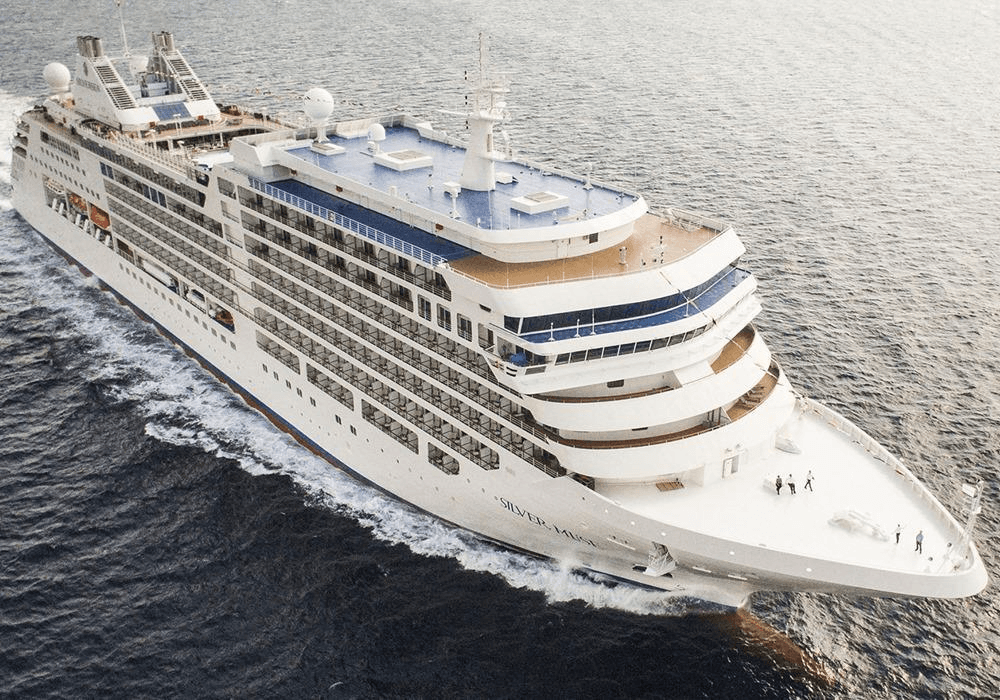
At a glance
- Built
- 2022
- Tonnage
- 40700
- Cabins
- 288
- Crew
- 411
A new world of luxury is waiting aboard Silver Dawn. Elegant and modern, Silver Dawn is the natural evolution of our fleet. Large enough to offer eight dining options – including the superb Sea and Land Taste (S. A. L. T.
Ask our cruise specialists about cruise line loyalty benefits, status match options, drinks packages, gratuities and any current offers available on this sailing.
On board
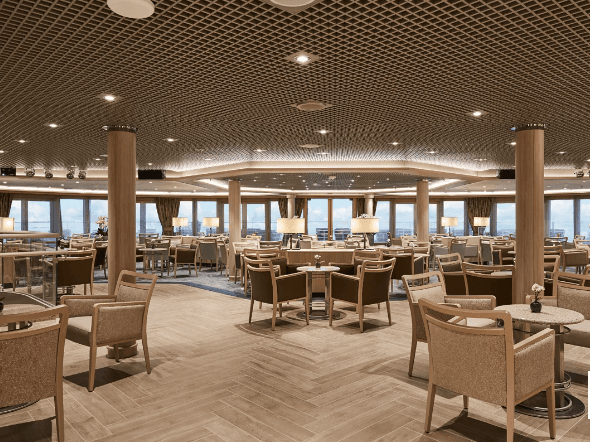
Panorama Lounge
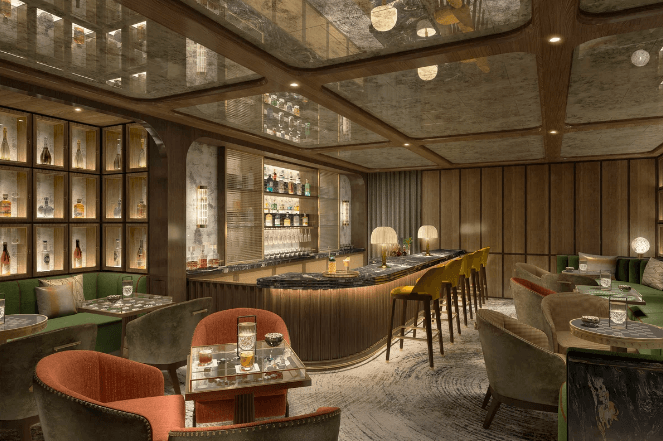
S.a.l.t. Bar
Itinerary
Cruise from Monte Carlo to San Juan
Day 1Cruise departs from Monte CarloNov 15, 2027 • Departs at: 7 pm
The independent principality of Monaco is famous as the playground of the Côte d'Azur. With sandy beaches, elegant hotels and a vibrant nightlife, this tiny domain is a favourite haunt of the jet set. In the possession of the Grimaldi family for more then 700 years, treaties with France guarantee Monaco's independence. The population of the fashionable enclave is 32,000 citizens, for an area smaller than New York's Central Park, but it boasts some of the most expensive real estate in the world. In addition to its luxury hotels and beautiful beaches, Monaco is noted for its mild climate and magnificent scenery. Once an exclusive wintering stop for Europe's aristocracy and royalty, today there are more than 5 million visitors annually. Of the principality's four sections - La Condamine, Fontvieille, Monaco-Ville and Monte Carlo, the latter two rank highest on every visitor's must-see list. In Monte Carlo, the Grand Casino and Opera is perhaps Monaco's most outstanding attraction. For mo…
Day 2Marseille, FranceNov 16, 2027 • Arrives at: 8 am • Departs at: 6 pm
Today, Marseille is the country's most important seaport and the largest one in the Mediterranean. The city is divided into 16 arrondissements fanning out from the Old Port. The large industrial port area virtually rubs shoulders with the intimate, picturesque old harbor, the Vieux Port. Packed with fishing boats and pleasure crafts, this is the heart of Marseille. Two fortresses guard the entrance to the harbor: Fort Saint Nicolas and, across the water, Fort Saint Jean.
Day 3Sete, FranceNov 17, 2027 • Arrives at: 8 am • Departs at: 6 pm
The upper part of the town straddles the slopes of Mont St. Clair, offering wonderful views of the port and the vast Bassin de Thau, a breeding ground for mussels and oysters. The lower part is intersected by waterways lined with tall terraces and seafood restaurants. Its pedestrian streets allow visitors leisurely strolls, and scattered café tables invite you to relax, sip an apéritif and people-watch. Other interesting sightseeing destinations include the university city of Montpellier.
Day 4Barcelona, SpainNov 18, 2027 • Arrives at: 8 am
The infinite variety of street life, the nooks and crannies of the medieval Barri Gòtic, the ceramic tile and stained glass of Art Nouveau facades, the art and music, the throb of street life, the food (ah, the food!)—one way or another, Barcelona will find a way to get your full attention. The capital of Catalonia is a banquet for the senses, with its beguiling mix of ancient and modern architecture, tempting cafés and markets, and sun-drenched Mediterranean beaches. A stroll along La Rambla and through waterfront Barceloneta, as well as a tour of Gaudí's majestic Sagrada Famíliaand his other unique creations, are part of a visit to Spain's second-largest city. Modern art museums and chic shops call for attention, too. Barcelona's vibe stays lively well into the night, when you can linger over regional wine and cuisine at buzzing tapas bars.
Day 5Barcelona, SpainNov 19, 2027 • Departs at: 5:30 pm
The infinite variety of street life, the nooks and crannies of the medieval Barri Gòtic, the ceramic tile and stained glass of Art Nouveau facades, the art and music, the throb of street life, the food (ah, the food!)—one way or another, Barcelona will find a way to get your full attention. The capital of Catalonia is a banquet for the senses, with its beguiling mix of ancient and modern architecture, tempting cafés and markets, and sun-drenched Mediterranean beaches. A stroll along La Rambla and through waterfront Barceloneta, as well as a tour of Gaudí's majestic Sagrada Famíliaand his other unique creations, are part of a visit to Spain's second-largest city. Modern art museums and chic shops call for attention, too. Barcelona's vibe stays lively well into the night, when you can linger over regional wine and cuisine at buzzing tapas bars.
Day 6Valencia, SpainNov 20, 2027 • Arrives at: 8 am • Departs at: 5 pm
Valencia is Spain's third largest city and capital of the region. It was originally founded by the Romans on the banks of the river Turia in 138 BC. In 711 AD the Moors arrived and converted the area into a rich agricultural and industrial center, establishing ceramics, paper, silk and leather industries. Muslim rule was briefly interrupted in 1094 by the legendary Castillian knight, El Cid. Valencia boomed in the 15th and 16th centuries, becoming one of the strongest Mediterranean trading centers. Valencia is a vibrant, friendly and chaotic city that boasts an outstanding fine arts museum and one of the most exciting nightlife scenes in Spain. The city center is about 3 miles inland from the coast. Plaza del Ayuntamiento marks the center of Valencia. Surrounded by flower stalls, it is also home to the town hall and the main post office. The cathedral was begun in the 13th century and finished in 1482. It has many architectural styles, including Gothic, Baroque and Romanesque. The oct…
Day 7Cartagena (Spain)Nov 21, 2027 • Arrives at: 8 am • Departs at: 6 pm
On the crossroads of mighty cultures, this Murcian port has endless ancient stories to share. A valuable natural harbour attracted many civilisations to this sun-bathed, southeasterly setting - following its foundation by the Carthaginians in 227 BC. Blending the imprints left by countless cultures on this global junction, the presence of everyone from the Vandals to the Phoenicians and Moors can be felt as you explore, walking between ruins and celebrated modernist architecture along Calle Mayor. Cartagena is crowned by the soaring Castillo de la Concepcion - rise to the stout castle aboard a panoramic lift. Inside, look through reams of archaeological treasures, or admire the rolling views down over the port and across the waters. Watch out for the electric blue peacocks who strut flamboyantly. Cartagena's emergence as a visitor destination coincided with a stunning discovery in 1988 - the bowl of a gloriously preserved Roman Theatre. Enter to sit among the grandiose ancient venue,…
Day 8Malaga (Costa Del Sol)Nov 22, 2027 • Arrives at: 9 am • Departs at: 7 pm
Bathing in the sunshine coast’s stunning subtropical climate, and laying out endless spectacular beaches, it’s no surprise that Malaga is one of Spain’s most popular cities. The already impressive cultural appeal of this holiday city has skyrocketed over recent years, and with a storied old town and Moorish fortifications, Malaga has a lot to offer. Nearby, you can recline on the renowned beaches of the Costa del Sol, or venture inland to discover the Moorish treasures of Granada and Cordoba. View less La Malagueta beach is Malaga’s spacious urban beach, perfect for a sunbathe and a dip in the warm water, before enjoying seaside cocktails or seafood tapas in the restaurants nearby. Malaga and the Costa del Sol may be best known for glorious weather and beaches, but Malaga can now stake a genuine claim as an artistic powerhouse too. Visit the renowned Picasso museum – housed in the artist’s birthplace – before exploring the freshly opened outpost of the Pompidou Centre. The art also sp…
Day 9TangierNov 23, 2027 • Arrives at: 8 am • Departs at: 6 pm
Set on the Maghreb coast, Tangier is Africa’s outstretched hand to Europe. With its bustling markets and lively waterfront, this city on Morroco's north is an energetic and invigorating place and an exciting immersion into an incredible continent. The location, on the highly strategic narrowing of the Strait of Gibraltar, made Tangier a vital Phoenician trading town - and the resulting city is an invigorating mesh of cultures and curiosities. View less Part of the fun of Tangier is the well-rehearsed dance, as you dodge good-natured hawkers, and this is certainly a place to stroll with confidence and purpose. Delve into the mayhem of the walled Medina of Tangier for a rush of stimulation, as bartering and bantering echoes along the tight alleys. Crowded, noisy and busy, you’ll be sold to with a smile as you wander between stands of colourful spices, dried fruits and fabrics in this authentic Moroccan marketplace. Refresh and escape the sun with a fresh orange juice - or a sip of mint…
Day 10Casablanca, MoroccoNov 24, 2027 • Arrives at: 8 am • Departs at: 6 pm
Immortal lines from the silver screen may have imprinted a warm, fuzzy visage of old Casablanca into our minds, but this thriving city is a curious example of what Morocco’s modernity looks like. Glistening white art deco buildings line the wide pathways that sweep through Casablanca, as the sea sparkles like a thin mirage on the horizon. There’s an aura of creativity amid Casablanca’s culture and chaos, helping to make the city one of Morocco’s most curious and compelling. The Hassan II Mosque took a staggering seven years and 10,000 artists to craft its legacy as the country's largest mosque, and to bring the world's tallest minaret to sky-high reality. A vision of cool to the touch marble, cavernous prayer rooms and intricate inlays, the mosque is extraordinary in scale and ambition. Retractable roofs let the sun flood in, while dizzying glass floors dazzle, and the blue Atlantic waves surge below your feet. After that humbling visit, stroll along La Corniche - where surfers glide…
Day 11Cadiz, SpainNov 25, 2027 • Arrives at: 9 am • Departs at: 11 pm
More than a hundred watchtowers gaze out across the waves surrounding this ancient Andalusian city. Sprinkled with evocative cobbled side streets, you’ll explore 3,000 years’ worth of history, while stumbling across palm-tree lined plazas of shaded coffee sippers. Cadiz claims the mantle of Western Europe’s oldest city, and every piece of architecture - and every wrong turn - offers a chance to discover fascinating new tales. Founded by the Phoenicians in 1100BC, Christopher Columbus used the city as a base for his exploratory, map-defining voyages of 1493 and 1502. The port grew in importance and wealth as Cadiz’s strategic location close to Africa’s northern tip helped it blossom into a centre for New World trade. Catedral de Cádiz, is a display of the city’s wealth and importance, looming spectacularly over the Atlantic’s waves, with cawing seagulls sweeping between its twin bell towers. Inside, treasures from the city’s trading exploits in the West Indies and beyond - which helped…
Day 12At SeaNov 26, 2027
Day 13LisbonNov 27, 2027 • Arrives at: 7 am
Lisbon, the capital of Portugal, is a city open to the sea and carefully planned with 18th-century elegance. Its founder is said to be the legendary Ulysses, but the theory of an original Phoenician settlement is probably more realistic. Known in Portugal as Lisboa, the city was inhabited by the Romans, Visigoths and, beginning in the 8th century, the Moors. Much of the 16th century was a period of great prosperity and overseas expansion for Portugal. Tragedy struck on All Saints' Day in 1755 with a devastating earthquake that killed about 40,000 people. The destruction of Lisbon shocked the continent. As a result, the Baixa (lower city) emerged in a single phase of building, carried out in less than a decade by the royal minister, the Marques de Pombal. His carefully planned layout of a perfect neo-classical grid survived to this day and remains the heart of the city. Evidence of pre-quake Lisbon can still be seen in the Belém suburb and the old Moorish section of the Alfama that spr…
Day 14At SeaNov 28, 2027
Day 15Funchal, MadeiraNov 29, 2027 • Arrives at: 8 am
Bedecked with dramatic cliffs, fertile mountains and sun-gorged beaches, Madeira is a lush, colourful island of plants, paradise and Portuguese-flavoured pleasures. Bathing in year-round sunshine, Funchal - the lowkey capital of Madeira - is perfect for slowing the pace, and toasting the thrilling scenery with a bottle of the island's famous wine. Narrow, cobblestone streets line the old town, where whitewash buildings, iron-wrought balconies, and tiled patterns carry echoes of Lisbon. Rua de Santa Maria is the city's oldest street, and the doors have been vividly painted by local artists. Sit for a drink, to sample your choice of Madeira's renowned wines - Boal is the ideal option for those with a sweeter tooth. You'll also find Corpo Santo Chapel here, one of the few remaining buildings to have survived from the 15th century. Blossoming parks and gardens splash colour around, and the sweet smell of pollen lingers in Parque de Santa Catarina. Look out over Funchal harbour between the…
Day 16Santa Cruz De La Palma (Canary Islands)Nov 30, 2027 • Arrives at: 11 am • Departs at: 9 pm
Santa Cruz de Tenerife is the capital of the island of La Palma. Because of its spectacular vegetation and exuberant natural beauty, it is considered by many the most beautiful of the Canary Islands and referred to as the Pretty Isle – La Isla Bonita. In addition to its outstanding natural attributes, the island boasts a culture full of traditions, cuisine, crafts and folklore from the time of the original inhabitants, who left a variety of archaeological riches. View less Once an important transatlantic port during colonial days, today Santa Cruz has the look of a genuine open-air museum. With colonial houses and carved balconies lining the streets, the port city retains the old-world charm of its glory days. Acclaimed attractions in the interior include the Taburiente National Park with its giant crater that has been photographed from the Space Shuttle, and the Roque de los Muchachos Astrophysics Observatory, standing on the island's highest point (7,260 feet) and considered the mos…
Day 17Santa Cruz de Tenerife , SpainDec 1, 2027 • Arrives at: 8 am • Departs at: 7 pm
Although this busy port city is smaller, quieter and less attractive than Las Palmas in Gran Canaria, Santa Cruz has its own share of elegant monuments. Until 1837, the island's capital was La Laguna, not Santa Cruz, so there are only a few of the buildings in the city center that are any older than that. At the busy Plaza de España, there are several pedestrian streets leading north and to the area west of the port, where you'll find the city's stunning auditorium and maritime park. View less A real highlight of the city are its ramblas, long tree-lined boulevards that fall steeply from the north end of the city to the sea.
Day 18At SeaDec 2, 2027
Day 19At SeaDec 3, 2027
Day 20Mindelo, Cape VerdeDec 4, 2027 • Arrives at: 8 am • Departs at: 5 pm
Mindelo is a port city on São Vicente, an island in the volcanic archipelago of Cape Verde. It's known for its music, nightlife and lively, Brazilian-influenced Carnival celebrations. Colorful colonial houses line the shores of Porto Grande harbor, which is set against a backdrop of rugged mountains. The Torre de Belém, by the harbor, is a scaled-down replica of a centuries-old tower in Lisbon
Day 21At SeaDec 5, 2027
Day 22At SeaDec 6, 2027
Day 23At SeaDec 7, 2027
Day 24At SeaDec 8, 2027
Day 25At SeaDec 9, 2027
Day 26GustaviaDec 10, 2027 • Arrives at: 8 am • Departs at: 5 pm
Cherry red roofs, yacht-sprinkled bays and a sophisticated French flavour all add to the gorgeous Caribbean allure of Gustavia. The island's capital rolls around a horseshoe-shaped harbour, where gleaming yachts hover and fancy boutiques, bars and restaurants fizz with life and clinking cutlery. Head up to red and white Gustavia Lighthouse to look down over the revered waters, which attract many a celebrity guest and diving enthusiast to these shores. View less Christopher Columbus was the first European to discover this volcanic island in 1493, giving it the name St Barthelemy in honour of his younger brother. The island has a unique history as a Swedish colony, following a deal with the French King Louis XVI to exchange the island with Sweden for better trading rights. It was returned to French control in 1878 and is now a French Overseas Collectivity. Learn more of the Swedish legacy at Fort Karl - which sits on a 29-metre-high hill above Shell Beach. The fort now lies in ruins, bu…
Day 27Cruise returns to San JuanDec 11, 2027 • Arrives at: 7 am
Cabin options
Compare the cabin types and onboard features shown for this sailing. Final price and availability are confirmed by our team when you inquire.
13 cabin grades listed for this sailing.
Next step
Cabin grades and prices
View every cabin grade and current availability on the next step.