
A Pacific Awakening - San Diego to Singapore
Silversea · Silver Whisper
Depart
Jan 5, 2029
Return
May 11, 2029
Port
San Diego, California
Nights
126 nights
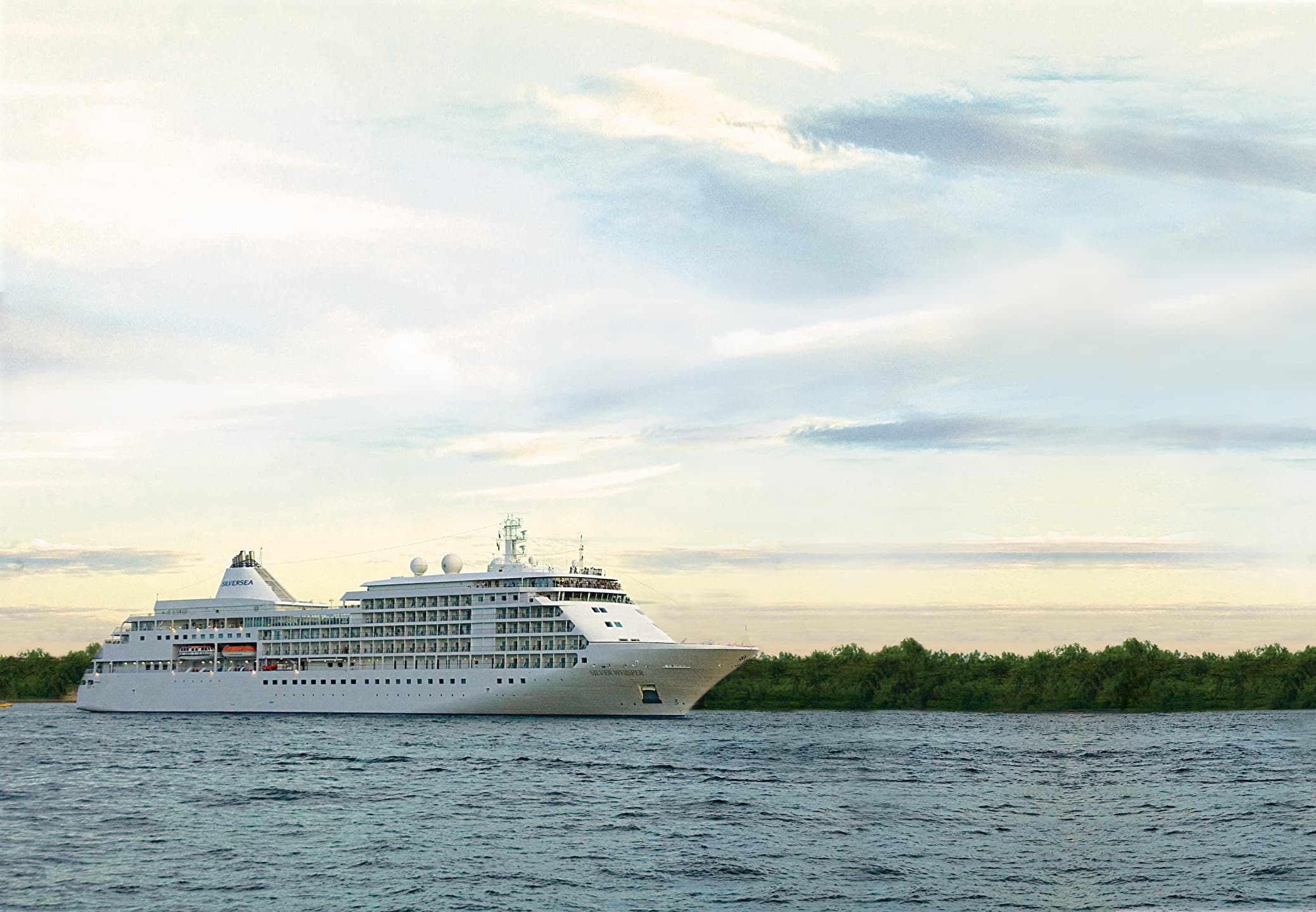
At a glance
- Built
- 2001
- Tonnage
- 28258
- Cabins
- 194
- Crew
- 302
Our world-cruisers preferred ship, Silver Whisper sports a relaxing, sophisticated and genuinely elegant atmosphere. A multi-million dollar refit makes her one of the most technically up to the minute ships at sea. The amenities of a grand resort. The charms of a stylish boutique hotel.
Ask our cruise specialists about cruise line loyalty benefits, status match options, drinks packages, gratuities and any current offers available on this sailing.
On board
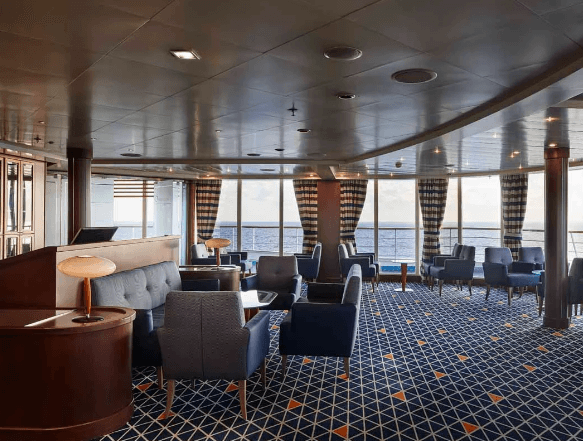
Observation Lounge
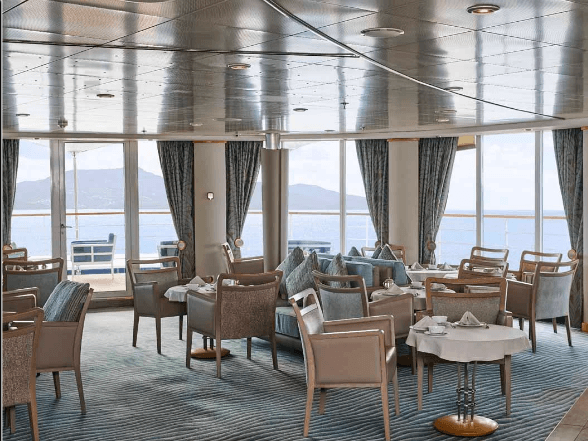
Panorama Lounge
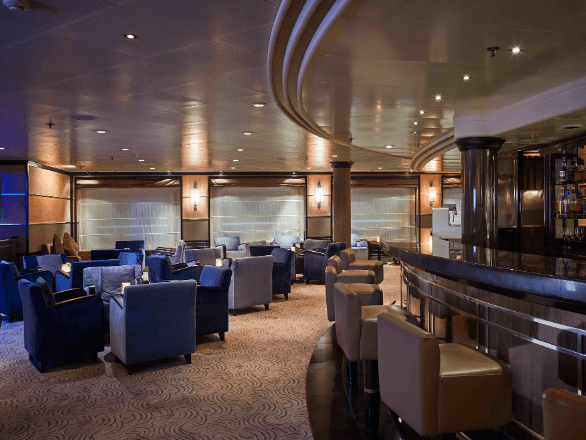
The Bar
Itinerary
Cruise from San Diego, California to Singapore
Day 1Cruise departs from San Diego, CaliforniaJan 5, 2029 • Departs at: 4 pm
Free from smog and jungle-like freeways, San Diego sits gracefully around a beautiful curving bay. Although affluent and conservative, this second largest city in California is also amiable and easygoing. San Diego has a vibrant and active downtown area, and since the late 1970s several blocks of early 20th century architecture have been stylishly renovated, while the sleek modern bank buildings symbolize the city's growing economic significance on the Pacific Rim. San Diego is the birthplace of California. Portuguese explorer Juan Rodrigues Cabrillo landed here in 1542; since then, San Diego has been under Spanish, Mexican and after 1846, American rule. The city really took off with the arrival of the Santa Fe Railroad in the 1880s, but in terms of trade and significance it has long played second fiddle to Los Angeles. However, during World War II the U.S. Navy made San Diego their Pacific Command Center and the military continue to dominate the local economy, along now with tourism.…
Day 2At SeaJan 6, 2029
Day 3At SeaJan 7, 2029
Day 4At SeaJan 8, 2029
Day 5At SeaJan 9, 2029
Day 6At SeaJan 10, 2029
Day 7Honolulu, Oahu, Hawaii , United StatesJan 11, 2029 • Arrives at: 6 pm
Honolulu's setting on the Pacific Ocean, backed by dramatic cliffs and the extinct volcanoes of Punchbowl and Diamond Head, is spectacular. Three-quarters of Hawaii's population live on the island of Oahu and 80 percent of visitors to Hawaii arrive in Honolulu. Some remain here for their entire vacation; others use it as gateway to the other islands. Until the arrival of Europeans, Honolulu was just a small, laid-back town. As more and more foreign ships arrived and used adjacent Pearl Harbour, King Kamehameha declared Honolulu the capital.
Day 8Honolulu, Oahu, Hawaii , United StatesJan 12, 2029 • Departs at: 7 pm
Honolulu's setting on the Pacific Ocean, backed by dramatic cliffs and the extinct volcanoes of Punchbowl and Diamond Head, is spectacular. Three-quarters of Hawaii's population live on the island of Oahu and 80 percent of visitors to Hawaii arrive in Honolulu. Some remain here for their entire vacation; others use it as gateway to the other islands. Until the arrival of Europeans, Honolulu was just a small, laid-back town. As more and more foreign ships arrived and used adjacent Pearl Harbour, King Kamehameha declared Honolulu the capital.
Day 9Kailua Kona, HawaiiJan 13, 2029 • Arrives at: 8:30 am • Departs at: 7 pm
Kailua-Kona is a town on the west coast of Hawaii Island (the Big Island). Hulihee Palace is a former royal vacation home dating from 1838. Mokuaikaua Church, from the 1800s, is Hawaii’s oldest Christian church. On Kailua Bay, reconstructed thatched houses at Kamakahonu National Historic Landmark mark King Kamehameha I’s residence. Colorful coral lies off Kamakahonu Beach. Kailua Pier has boat moorings.
Day 10At SeaJan 14, 2029
Day 11At SeaJan 15, 2029
Day 12At SeaJan 16, 2029
Day 13At SeaJan 17, 2029
Day 14At SeaJan 18, 2029
Day 15Nuku Hiva, Marquesas IslandsJan 19, 2029 • Arrives at: 8 am • Departs at: 7 pm
Think of French Polynesia and you are automatically transported to the white sands of Tahiti, the blue seas of Bora Bora or, at the very least, the iconic statues of Easter Island. Now, imagine a place that is home to that majestic trinity, but has no crowds and is full of island authenticity that is rare in these global times. You have just imagined Nuku Hiva. The island is the second largest after Tahiti in the archipelago, but is yet to be discovered by tourism.
Day 16At SeaJan 20, 2029
Day 17Fakarava, Tuamotu ArchipelagoJan 21, 2029 • Arrives at: 8 am • Departs at: 6 pm
Fakarava is oblong shaped and has an almost continuous string of reef and motu stretching for 40 km (25 mi) on its eastern edge. It's the second largest of the Tuamotu atolls, located 450 km (280 mi) northeast of Tahiti, and 120 km (75 mi) southeast of Rangiroa. It's renowned for the drift diving in its two passes—Garuae (also spelled Ngarue) in the north near the main town of Rotoava (and the airport) and Tamakohua Pass, 48 km (30 mi) across the lagoon in the south. The tiny village of Tetamanu, situated by the southern pass, was once the capital of the Tuamotus and houses the first church built in the archipelago in 1874. In 2006 the entire atoll was deemed an UNESCO biosphere reserve; to preserve the lagoon no overwater bungalows have been built in it. Fakarava was "discovered" by Russian explorer Fabian Gottlieb Von Bellingshausen in 1820; some 20 years later missionaries arrived, in the guise of fanatical Catholic priest Honore Laval, and began building churches.
Day 18Rangiroa, French PolynesiaJan 22, 2029 • Arrives at: 8 am • Departs at: 6 pm
Rangiroa, meaning ‘Vast Sky’ in Puamotu, is the largest atoll in the Tuamotu Archipelago and one of the largest in the world. Surrounded by two legendary bodies of water, Moana-tea (Peaceful Ocean) and Moana-uri (Wild Ocean), the atoll consists of about 250 islets and sandbars, with approximately 100 narrow passages in the fringing reef. The lagoon covers 618 square miles (1,600 square km), large enough that it has its own horizon.
Day 19Papeete (Tahiti)Jan 23, 2029 • Arrives at: 8 am
Formed by two ancient volcanoes and joined at the isthmus of Taravao, Tahiti is the largest island of the Society Archipelago and the economic heart of French Polynesia. Ever since the famous French impressionist painter Paul Gauguin immortalized Tahitian maidens in vibrant colors on his canvasses, Tahiti has had a mysterious allure and still summons up all the romance of the South Pacific as a tropical paradise. Rising in the center, Mount Orohena and Mount Aorai are the highest points; deep valleys radiate in all directions from these central peaks. Steep slopes drop abruptly from the high plateaus to coastal plains. The northeast coast is rugged and rocky without a barrier reef, and thus exposed to intense, pounding surf. Villages lie on a narrow strip between mountains and ocean. The south coast is broad and gentle with large gardens and coconut groves; a barrier reef shields it from the sea.
Day 20Papeete (Tahiti)Jan 24, 2029 • Departs at: 5 pm
Formed by two ancient volcanoes and joined at the isthmus of Taravao, Tahiti is the largest island of the Society Archipelago and the economic heart of French Polynesia. Ever since the famous French impressionist painter Paul Gauguin immortalized Tahitian maidens in vibrant colors on his canvasses, Tahiti has had a mysterious allure and still summons up all the romance of the South Pacific as a tropical paradise. Rising in the center, Mount Orohena and Mount Aorai are the highest points; deep valleys radiate in all directions from these central peaks. Steep slopes drop abruptly from the high plateaus to coastal plains. The northeast coast is rugged and rocky without a barrier reef, and thus exposed to intense, pounding surf. Villages lie on a narrow strip between mountains and ocean. The south coast is broad and gentle with large gardens and coconut groves; a barrier reef shields it from the sea.
Day 20Moorea IslandJan 24, 2029 • Arrives at: 7 am • Departs at: 6 pm
Tahiti's heart-shaped sister island Moorea is located only nine miles across the Sea of the Moon from Tahiti. While Bora Bora and Tahiti are the destinations most prominently advertised, it is Moorea, the Magical Island that is the best-kept secret of the trio of famous French Polynesian islands. In fact, Moorea has often been likened to James Michener's mythological island of Bali Hai - and it is easy to see why. Picture perfect lagoons and gleaming white beaches are surrounded by jagged mountains and volcanic spires. Its six mountains include Mount Rotui. From its summit there are spectacular views of Opunohu Bay and the island. Captain Samuel Wallis was the European discoverer of the Windward Island in 1767. After leaving Tahiti, he passed along the north coast of Moorea without landing. The first European visitors to the island include botanist Joseph Banks and some sailors sent ashore by Captain Cook in 1769. Captain Cook himself anchored in Opunohu Bay for one week in 1777, but…
Day 21Bora Bora (Society Islands)Jan 25, 2029 • Arrives at: 7 am
If you have ever dreamt up your ideal island holiday, we suspect it goes something like this: Soapy blue seas? Check. Sparkling white beaches? Check. Thatched wooden huts, gently sloping palm trees and kaleidoscopic marine life? Check, check and check. And yet, even by ticking every box, first time viewing of Bora Bora still beggars belief. This tropical hideaway less than 12 m2 in the heart of the South Pacific has been toping travel wish lists for years. Long considered the realm of honeymooners – spectacularly romantic sunsets are a speciality – Bora Bora is not just for wandering with your love. If the prismatic shades of blue of the world’s most beautiful lagoon do not fill you up, then perhaps underwater scooters and aqua Safaris will charge your batteries. If exploring Bora Bora’s lush hinterland is more your glass of tequila sunrise, then trips around the island (often stopping off at the celebrity haunt Bloody Mary Restaurant & Bar) are a must. Bora Bora’s peaceful ambience h…
Day 22Bora Bora (Society Islands)Jan 26, 2029 • Departs at: 4 pm
If you have ever dreamt up your ideal island holiday, we suspect it goes something like this: Soapy blue seas? Check. Sparkling white beaches? Check. Thatched wooden huts, gently sloping palm trees and kaleidoscopic marine life? Check, check and check. And yet, even by ticking every box, first time viewing of Bora Bora still beggars belief. This tropical hideaway less than 12 m2 in the heart of the South Pacific has been toping travel wish lists for years. Long considered the realm of honeymooners – spectacularly romantic sunsets are a speciality – Bora Bora is not just for wandering with your love. If the prismatic shades of blue of the world’s most beautiful lagoon do not fill you up, then perhaps underwater scooters and aqua Safaris will charge your batteries. If exploring Bora Bora’s lush hinterland is more your glass of tequila sunrise, then trips around the island (often stopping off at the celebrity haunt Bloody Mary Restaurant & Bar) are a must. Bora Bora’s peaceful ambience h…
Day 22Motu Tapu (Bora Bora), French PolynesiaJan 26, 2029 • Arrives at: 10 am • Departs at: 11 pm
Day 23RaiateaJan 27, 2029 • Arrives at: 8 am • Departs at: 4 pm
The largest of the Leeward Islands, Raiatea is totally surrounded by a reef but has several navigable passes and the only navigable river in French Polynesia. Raiatea shares a protected lagoon with the island of Taha'a; legends tell how the two islands were cut apart by a mythical eel. Although it has no beaches, there are picture-postcard motus (flat reef islets) with nice beaches in the lagoon. One of the nicest things about Raiatea is that it remains "undiscovered" by most visitors to French Polynesia. Before European encroachment, Raiatea was the religious, cultural and political center of Tahiti-Polynesia. It was also Captain Cook's favorite island. The last resistance to the French takeover on the island lasted until 1897, when French troops and warships used arms to conquer the island. The native leader of the resistance, Teraupoo, was deported to New Caledonia. Raiatea is an archaeologist's delight. Scientists have unearthed artifacts linking the island with Hawaii. Local trad…
Day 24At SeaJan 28, 2029
Day 25At SeaJan 29, 2029
Day 26At SeaJan 30, 2029
Day 27Pago Pago , American SamoaJan 31, 2029 • Arrives at: 8 am • Departs at: 7 pm
The high, volcanic islands of American Samoa sit along the Pacific Ring of Fire; their cone-shaped mountains rise with abrupt steepness. These islands are stunningly green, the windward hillsides carpeted thickly with coconut palms, breadfruit and mango, while the leeward side is punctuated by steep cliffs. Pago Pago (pronounced Pahngo Pahngo), on the island of Tutuila, boasts one of the world's most beautiful natural harbors that thrusts as a fjordlike arm deep into the land.
Day 28At SeaFeb 1, 2029
Day 29ApiaFeb 2, 2029 • Arrives at: 7 am • Departs at: 7 pm
As the first independent state of Polynesia, Samoa is considered the cradle of the nation, a place where the Earth and the heart fuse seamlessly fuse together. Incidentally, were one to translate the word “Samoa” into the traditional Polynesia dialect, they would find that the words “Sa” and “Moa” mean exactly that: earth and centre. Apia, Samoa’s only town, is found central north coast of Upolu, Samoa’s second largest island. Originally a tiny village of just over 300 inhabitants (c. View less 1800), the town’s population has grown to be just shy of 40,000. While a population of such size might mean forgetting traditional roots in favour of modern life, this has not been the case (too much) in Apria. The Samoan way of life is still very much the order of the day; traditional open-sided houses with thatched roofs on platforms of coral or concrete, also known as ‘fales’, can be seen everywhere and nearly all of the population (including the policemen) wear the typical local dress; skir…
Day 30At SeaFeb 3, 2029
Day 31LautokaFeb 4, 2029 • Arrives at: 9 am
Lautoka is often described as the sugar city. Sugar cane is the major industry of Fiji and Lautoka is its main base. Here are the industries' headquarters, the largest sugar mill, modern loading facilities and a large wharf. It features 70 miles of roads, almost all paved, a wonderful botanical garden and royal palm trees decorating the city's main street, Vitogo Parade. The municipal market is another attraction from both outside and inside. Fiji typifies the image of paradise. The people here live as they have done for centuries, retaining their ancient traditions and simple and carefree lifestyle supported by the harvest of a generous land and bountiful sea.
Day 32LautokaFeb 5, 2029 • Departs at: 5 pm
Lautoka is often described as the sugar city. Sugar cane is the major industry of Fiji and Lautoka is its main base. Here are the industries' headquarters, the largest sugar mill, modern loading facilities and a large wharf. It features 70 miles of roads, almost all paved, a wonderful botanical garden and royal palm trees decorating the city's main street, Vitogo Parade. The municipal market is another attraction from both outside and inside. Fiji typifies the image of paradise. The people here live as they have done for centuries, retaining their ancient traditions and simple and carefree lifestyle supported by the harvest of a generous land and bountiful sea.
Day 33At SeaFeb 6, 2029
Day 34Noumea, New CaledoniaFeb 7, 2029 • Arrives at: 9 am • Departs at: 6 pm
Perched overlooking the life-filled reefs of Noumea Lagoon, Noumea is the vibrant and colourful capital of New Caledonia. Catch some shade in the city’s centre, below Coconut Palm Square, and absorb the vibrant fusion of French and Kanak cultures. Or take a leisurely open-air stroll along the waterfront, where white boats bob and jostle on the lapping waters. Bring your tongs - the local word for flipflops - there will be plenty of time to swim, sunbathe and leaf through paperbacks on dazzling beaches. View less Noumea is a perfect jumping-off point for serene island adventures too. Enjoy a voyage to the island paradise of Amedee Isl - a tiny green land with a narrow historic lighthouse rocketing up from its centre. Climb 247 steps for the stunning view of the blotchy blue waters all around. Or, explore the waters to swim among turtles and orange clownfish. Set among the New Caledonian barrier reef, there are incredible diving opportunities, and glass-bottom boats offer you a dry wind…
Day 35At SeaFeb 8, 2029
Day 36At SeaFeb 9, 2029
Day 37Bay Of Islands, New ZealandFeb 10, 2029 • Arrives at: 9 am • Departs at: 6 pm
The Tasman Sea on the west and the Pacific Ocean on the east meet at the top of North Island at Cape Reinga. No matter what route you take, you'll pass farms and forests, marvellous beaches, and great open spaces. The East Coast, up to the Bay of Islands, is Northland's most densely populated, often with refugees from bigger cities—looking for a more relaxed life—clustered around breathtaking beaches. The first decision on the drive north comes at the foot of the Brynderwyn Hills. Turning left will take you up the West Coast through areas once covered with forests and now used for either agricultural or horticulture. Driving over "the Brynderwyns," as they are known, takes you to Whangarei, the only city in Northland. If you're in the mood for a diversion, you can slip to the beautiful coastline and take in Waipu Cove, an area settled by Scots, and Laings Beach, where million-dollar homes sit next to small Kiwi beach houses. An hour's drive farther north is the Bay of Islands, known a…
Day 38Auckland, New ZealandFeb 11, 2029 • Arrives at: 7:30 am
Blending beachy recreation with all the delights of a modern, diverse and thoroughly multicultural city, Auckland sits on the lucid blue-green waters of New Zealand’s north island. Known as the ‘City of Sails’, its two harbours will tempt you with waterfront walks, and the chance to breathe fresh sea air deep into your lungs while absorbing spectacular views of Auckland’s grand harbour bridge’s span. Take in the true scale of Auckland’s magnificent cityscape by ascending 192 metres to the Sky Tower, and looking out over the city’s gleaming silver towers, which reflect on the abundant waters below. Views over the bay and adjacent islands await, and you can share elegant cocktails at this dizzying height, above the mingling yachts of Viaduct Harbour. Immerse yourself in the rich history and culture of the area at Auckland Art Gallery, Toi o Tāmaki. Set beside tranquil fountains and handsomely landscaped flowerbeds of Albert Park, the French-Renaissance building houses New Zealand’s most…
Day 39Auckland, New ZealandFeb 12, 2029 • Departs at: 8 pm
Blending beachy recreation with all the delights of a modern, diverse and thoroughly multicultural city, Auckland sits on the lucid blue-green waters of New Zealand’s north island. Known as the ‘City of Sails’, its two harbours will tempt you with waterfront walks, and the chance to breathe fresh sea air deep into your lungs while absorbing spectacular views of Auckland’s grand harbour bridge’s span. Take in the true scale of Auckland’s magnificent cityscape by ascending 192 metres to the Sky Tower, and looking out over the city’s gleaming silver towers, which reflect on the abundant waters below. Views over the bay and adjacent islands await, and you can share elegant cocktails at this dizzying height, above the mingling yachts of Viaduct Harbour. Immerse yourself in the rich history and culture of the area at Auckland Art Gallery, Toi o Tāmaki. Set beside tranquil fountains and handsomely landscaped flowerbeds of Albert Park, the French-Renaissance building houses New Zealand’s most…
Day 40Tauranga, New ZealandFeb 13, 2029 • Arrives at: 8 am • Departs at: 6 pm
Tauranga is the principal city of the Bay of Plenty. The founders of Tauranga, 19th-century missionaries, left a legacy of well-planned parks and gardens for today's residents and visitors to enjoy.
Day 41At SeaFeb 14, 2029
Day 42Lyttelton (Christchurch)Feb 15, 2029 • Arrives at: 9 am • Departs at: 6 pm
Lyttelton, South Island's leading port, is connected to Christchurch by road and rail tunnels. Wooden houses cling to steep streets above the harbor, bustling with cargo vessels, freighters, sailing yachts and sightseeing launches. Several 19th-century churches add to the town's historic attractions. The Canterbury pilgrims, who arrived in four shiploads at Lyttelton in 1850, made a historic trek across the Port Hills to establish Christchurch. Today, walkers still enjoy the old Bridle Path trail. Hundreds of modern-day pilgrims make the nostalgic hike between Lyttelton and Christchurch annually on the Sunday nearest December 16.
Day 43Port ChalmersFeb 16, 2029 • Arrives at: 8 am • Departs at: 6 pm
Day 44Bluff, New ZealandFeb 17, 2029 • Arrives at: 8 am • Departs at: 6 pm
The most southernmost town in New Zealand, Bluff (or The Bluff as it is locally known) is perhaps the most European of all the settlements in the country. Called Campbelltown until 1917, the city was officially renamed after the 265 meter conical hill that towers above it. One of the farthest corners of the British Empire, the inaugural Royal Tour of New Zealand by Queen Elizabeth II and Prince Philip, the Duke of Edinburgh, concluded at Bluff in January 1954. Nowadays however, it is the Bluff oysters that are the stars of the show. Reputed to be the best in the world, these local heroes are what have really put Bluff on the map and are celebrated every May with a lively festival honouring Ostrea chilensis (that’s Latin for Bluff oyster). But gastronomy aside (and it is mostly oyster related), Bluff offers the adventurous traveller much in the way activity. Gateway to Stewart Island, day trippers here might enjoy hopping on the ferry for the hour long trip to Stewart Island, or New Ze…
Day 45Doubtful Sound,New ZealandFeb 18, 2029
Doubtful Sound / Patea is a fjord in Fiordland, in the far south west of New Zealand. It is located in the same region as the smaller but more famous and accessible Milford Sound. It took second place after Milford Sound as New Zealand's most famous tourism destination.
Day 45Milford Sound,New ZealandFeb 18, 2029
Milford Sound is a fiord in the southwest of New Zealand’s South Island. It’s known for towering Mitre Peak, plus rainforests and waterfalls like Stirling and Bowen falls, which plummet down its sheer sides. The fiord is home to fur seal colonies, penguins and dolphins. Milford Discovery Centre and Underwater Observatory offers views of rare black coral and other marine life. Boat tours are a popular way to explore.
Day 46At SeaFeb 19, 2029
Day 47At SeaFeb 20, 2029
Day 48Sydney, AustraliaFeb 21, 2029 • Arrives at: 10:30 am
With its glorious harbour, lavish golden beaches and iconic landmarks, Sydney is Australia's showpiece city. Creative and curious, discover the world-class cuisine, indigenous culture, and irresistible beach life that make Sydney one of the world’s most dynamic, exciting destinations. Sydney’s sparkling harbour is the heart of a richly cultural city. Overlooked by the metallic curves of the masterpiece of an Opera House, and that grand arched harbour bridge. Take it all in from the water, and admire the iconic landmarks, which are set before the city’s gleaming skyline backdrop. View less If you’re feeling adventurous, take the legendary climb up the smooth curve of the bridge – nicknamed the Coathanger - to soak in the shining city’s spread from a unique perspective. Spread out to tan on one of the world’s most famous stretches of sand - Bondi Beach. Restaurants and bars burble away in the background, while the sun beams down, and surfers curl and leap over pure rollers. Swim in spec…
Day 49Sydney, AustraliaFeb 22, 2029 • Departs at: 1 pm
With its glorious harbour, lavish golden beaches and iconic landmarks, Sydney is Australia's showpiece city. Creative and curious, discover the world-class cuisine, indigenous culture, and irresistible beach life that make Sydney one of the world’s most dynamic, exciting destinations. Sydney’s sparkling harbour is the heart of a richly cultural city. Overlooked by the metallic curves of the masterpiece of an Opera House, and that grand arched harbour bridge. Take it all in from the water, and admire the iconic landmarks, which are set before the city’s gleaming skyline backdrop. View less If you’re feeling adventurous, take the legendary climb up the smooth curve of the bridge – nicknamed the Coathanger - to soak in the shining city’s spread from a unique perspective. Spread out to tan on one of the world’s most famous stretches of sand - Bondi Beach. Restaurants and bars burble away in the background, while the sun beams down, and surfers curl and leap over pure rollers. Swim in spec…
Day 50At SeaFeb 23, 2029
Day 51Hobart, TasmaniaFeb 24, 2029 • Arrives at: 8 am
Mount Wellington's looming, cloud-wisped form is an ever-present sight as you explore booming Hobart, the cosmopolitan capital of Australia's most southerly state. A former British penal colony, nowadays Australia’s second-oldest city is a place to live the free and easy life. Encircled by dramatic cliffs, landscaped gardens and rolling vineyards, Hobart is also well stacked with cultural pursuits including museums, and respected - if controversial - galleries plastering new and old art to their walls. View less With fresh sea breezes and a fabulous location, Hobart is a creative place, where you can browse the produce of local artisans in Saturday's massive Salamanca Market - which draws visitors from all across Tasmania and beyond. Eat at waterfront restaurants, or rise up Mount Wellington's slopes to appreciate the remoteness of Hobart's location. From this elevated platform, you can look down across views of flowing forests, undulating mountains and endless ocean swallowing up the…
Day 52Hobart, TasmaniaFeb 25, 2029 • Departs at: 6 pm
Mount Wellington's looming, cloud-wisped form is an ever-present sight as you explore booming Hobart, the cosmopolitan capital of Australia's most southerly state. A former British penal colony, nowadays Australia’s second-oldest city is a place to live the free and easy life. Encircled by dramatic cliffs, landscaped gardens and rolling vineyards, Hobart is also well stacked with cultural pursuits including museums, and respected - if controversial - galleries plastering new and old art to their walls. View less With fresh sea breezes and a fabulous location, Hobart is a creative place, where you can browse the produce of local artisans in Saturday's massive Salamanca Market - which draws visitors from all across Tasmania and beyond. Eat at waterfront restaurants, or rise up Mount Wellington's slopes to appreciate the remoteness of Hobart's location. From this elevated platform, you can look down across views of flowing forests, undulating mountains and endless ocean swallowing up the…
Day 53At SeaFeb 26, 2029
Day 54Melbourne, AustraliaFeb 27, 2029 • Arrives at: 6 am • Departs at: 9 pm
Melbourne is about the same size as Sydney, but there the similarity ends. Where Sydney is a jumble of hills and inlets, Melbourne spreads over a flat plain. Its pace, steadfast and sedate, contrasts with Sydney's upbeat and brassy lifestyle. Tree-shaded parks and gardens, a quiet bay and a proud stateliness become this capital of culture and the arts. Grand municipal buildings and splendid Victorian edifices, which sprang up in the wake of the gold rush, stand proudly along broad avenues.
Day 55Phillip Island, AustraliaFeb 28, 2029 • Arrives at: 9 am • Departs at: 11 pm
Your first sight of Phillip Island's prize asset - its parade of adorable penguins skipping across the sand - will be just one of many unforgettable experiences from your time on this stunning island. Located just to the south of cultured Melbourne, the southern ocean’s rollers have hewn a rugged, dramatic shoreline here, and you’ll be itching to explore as soon as you lay eyes upon it.
Day 56At SeaMar 1, 2029
Day 57Adelaide, AustraliaMar 2, 2029 • Arrives at: 9 am • Departs at: 7 pm
For those of you that might think that Adelaide lacks behind its coastal counterparts in terms of culture and creativity, think again. Adelaide is a thriving urban city with bright, leafy alleys that beg to be explored. The city’s labyrinthine lanes and alleys are bursting with bars and eateries, serving everything from local craft beer to a modern Australian cuisine. Uber aware of their carbon footprint, Adeladians like to keep things close to home, so expect lots of local produce which is abundant, fresh and delicious. Unsurprisingly, Barossa wine from the neighbouring valley features prominently on wine lists everywhere. Naturally, a lot of life centres around the lovely beaches, which are home to surfers, sheltered waters and wide boulevards. The coast is blessed with acres of parkland, perfect for lazing the afternoon away. Many of Australia’s most beautiful (and historic) buildings can be found within the boundaries of the city including the handsomely-restored former Railway Bu…
Day 58Port LincolnMar 3, 2029 • Arrives at: 8 am • Departs at: 6:45 pm
Known as the seafood capital of Australia, Port Lincoln is a foodie paradise. Home to Australia's largest fishing fleet, numerous seafood restaurants and a prized local wine region, this is one destination where it pays to travel with your taste buds. The city’s traditional name in Barngala is ‘Kallinyalla’ (pronounced Galinyalla), literally translating as ‘sweet waters’. That should give you some indication of how seriously the ocean is taken in these parts – it provides employment, entertainment and experiences that are just unseen in other parts of the country. View less Add in contrasting coastal landscape that ranges from quiet coves to surf happy beaches to rugged oceanic coastline, and you’ll soon see why Port Lincoln is fast becoming one of Australia’s favourite places. The city is located on the lower Eyre Peninsula, on the shore of Boston Bay. Discovered by Matthew Flinders in 1802, Port Lincoln was once under consideration to become the state’s capital. However, a lack of f…
Day 59At SeaMar 4, 2029
Day 60At SeaMar 5, 2029
Day 61EsperanceMar 6, 2029 • Arrives at: 8 am • Departs at: 5 pm
Esperance and the Recherche Archipelago sheltering Esperance Bay received their name in 1792, when a French expedition under d’Entrecasteaux looked for shelter from a storm. Ten years later Matthew Flinders took refuge at Lucky Bay, some 30 kilometers southeast of Esperance near Cape Le Grand, another feature named during the French visit. It was not until the 1860s that settlement began and by the 1890s Esperance was known as the “Gateway to the Goldfields” further inland. Today some 12,000 residents live in Esperance. The town is southeast Western Australia’s only port and as such quite important for grain and mineral exports. Tourism is a major factor as Esperance and its surrounding area have such unusual attractions as a museum featuring debris from Skylab’s 1979 return to earth, a full-size replica of Stonehenge, the Pink Lake –which formerly used to be pink- an IBA for Hooded Plovers and Banded Stilts, several national parks and some of the whitest beaches in Australia. Lucky B…
Day 62Albany (Western Australia)Mar 7, 2029 • Arrives at: 8 am • Departs at: 5 pm
At 400 kilometres southeast of Perth, Albany is often overlooked in favour of the bigger city. This is of course a mistake as Albany and its gorgeous surrounding region have much to offer. The city is the oldest settlement in Western Australia, beating Perth and Freemantle by over two years (Albany was founded in late 1826, the others in June 1829). At the time of its foundation, the city was used as a military outpost as part of a plan to a prevent invasion, particularly by the French who had taken a shine to the region. With its excellent – and unusually deep – harbour, Albany was seen as the jewel of Western Australia and there are reminders of the city’s colonial past all over the city. The arrival of Europeans in the region led to Albany becoming a major player in the whaling industry. This only ceased in 1978 and the Historic Whaling Station, a museum dedicated to the city’s industrious past, now honours the good, the bad and the ugly aspects of a business that once supported an…
Day 63BusseltonMar 8, 2029 • Arrives at: 10:45 am • Departs at: 6 pm
Bordering the Indian Ocean, Geographe Bay’s Busselton has a Mediterranean style climate. The region features national parks, towering forests, caves, historic lighthouses and some of the best surfing beaches in the country. Other attractions include wineries and micro-breweries in the Margaret River wine region to the south. Busselton’s iconic jetty –at over 1.8 km the longest wooden jetty in the southern hemisphere- has an ‘Underwater Observatory’ that descends 8 meters to the ocean floor via a spiral staircase to see tropical and sub-tropical corals, sponges, fish and invertebrates.
Day 64FremantleMar 9, 2029 • Arrives at: 7 am • Departs at: 2:30 pm
Coming in at number seven on Lonely Planet’s list of best places to live, Fremantle has finally begun to shake off the shadow of neighbouring big brother Perth. With just 20 kilometres separating the two cities, Perth, with its happy hippie vibe has long been the big pull for visitors to the region. But Fremantle’s colourful past and bright future gives Perth as good as it gets. The coastal city has undergone a complete revamp since the America’s Cup thrust Fremantle into the spotlight in 1987. Over AUS$ 1,3 billion has been poured into revamping the city, and the fruits of the city’s labour are ripe for picking. Investment in the arts has brought Fremantle to the fore of thriving urban culture, while generous grants for small businesses has led to groovy live-music rooms, hipster bars, boutique hotels, left-field bookshops, craft-beer breweries, Indian Ocean seafood shacks amid the buskers and beaches. If that doesn’t not sound like your glass of beer, we guarantee a stroll along the…
Day 65At SeaMar 10, 2029
Day 66At SeaMar 11, 2029
Day 67At SeaMar 12, 2029
Day 68Benoa, BaliMar 13, 2029 • Arrives at: 8 am • Departs at: 11 pm
Thanks to its spectacular natural beauty and rich culture, Bali has long been Indonesia’s most popular destination. Stone inscriptions dating from around the 9th century A.D. are the earliest records found on Bali; by that time, the island was already developing irrigation systems and a lifestyle that drew many comparisons to what visitors find here today.
Day 69At SeaMar 14, 2029
Day 70Makassar, IndonesiaMar 15, 2029 • Arrives at: 7 am • Departs at: 7 pm
Once the gateway to Indonesia, Makassar is teeming with vestiges of its Dutch colonial past. The port, also known by its one-time name Ujung Pandang, was part of the Dutch East India Company from 1699 the early 1800s, and then as a part of the Netherlands Indies (or Dutch East Indies) until its liberation after WWII. View less Street signs follow the traditional European alphabet, so any visitor not versed in the city’s official language of Makassarese needn’t worry about getting lost! Fort Rotterdam on the western coast of the city is perhaps Makassar’s most iconic landmark. It was from here that trades between Holland and Indonesia was struck and the fort has played a large role in Makassar’s development. Originally named Benteng or Fort Jumpandang, the fort was built in 1545, but has been expanded many times over its long history. Because of the fort’s enormity, it became Indonesia’s centre for stockpiling spices prior to their dispatch to Europe. The building is unmissable – one s…
Day 71At SeaMar 16, 2029
Day 72At SeaMar 17, 2029
Day 73Sandakan (Sabah)Mar 18, 2029 • Arrives at: 2 pm
The town of Sandakan, once claimed to have the greatest concentration of millionaires anywhere in the world during its heyday as a timber centre, began on its present site in 1879, after an earlier settlement accidentally burned down. The region had been known for centuries for its pearls, camphor, bee's wax, sea cucumbers and edible birds' nests. This attracted traders from the nearby Sulu sultanate and from as far away as China.
Day 74Sandakan (Sabah)Mar 19, 2029 • Departs at: 12:15 am
The town of Sandakan, once claimed to have the greatest concentration of millionaires anywhere in the world during its heyday as a timber centre, began on its present site in 1879, after an earlier settlement accidentally burned down. The region had been known for centuries for its pearls, camphor, bee's wax, sea cucumbers and edible birds' nests. This attracted traders from the nearby Sulu sultanate and from as far away as China.
Day 74At SeaMar 19, 2029
Day 75Muara, BruneiMar 20, 2029 • Arrives at: 7 am • Departs at: 4 pm
The microscopic Sultanate of Brunei lays claim to one of the most dramatic rags-to-riches stories.Thanks to oil, the Sultan of Brunei is one of the richest men in the world, and the Sultanate is often dubbed a Shell-fare-state. Brunei's citizens do not pay income tax; they enjoy free education, medical care and old-age pensions. The government employs a third of the workforce, who are probably the best-paid bureaucrats in the world. Brunei Darussalam, as the country is officially called, is the rump of what was once a sprawling empire that occupied a land area of about twice the size of Luxembourg. On January 1, 1984, after nearly 100 years as a British Protectorate, Brunei became a fully independent sovereign nation. In August of 1967, Hassanal Bolkiah was crowned the 29th Sultan of Brunei. He succeeded his father, Sir Omar Ali Saifuddien III, who started to modernize the capital and is known as the architect of modern Brunei. Bandar Seri Begawan is the capital and the only town of a…
Day 76At SeaMar 21, 2029
Day 77Bohol (Tagbilaran), PhilippinesMar 22, 2029 • Arrives at: 11:30 am • Departs at: 8 pm
Bohol is an island province consisting of Bohol Island and 75 minor surrounding islands. Its capital is Tagbilaran City. With a land area of 1,589.7 sq mi and a coastline 162 mi, Bohol is the tenth largest island of the Philippines. In the 1600’s, the Jesuits introduced Christianity to the region. They built huge churches, which were declared heritage sites in the early 2000’s. Unfortunately most of these churches were heavily damaged by the 7.2 magnitude earthquake of 2013. Today, some of these churches are being restored.
Day 78Kalanggaman Private IslandMar 23, 2029 • Arrives at: 8 am • Departs at: 8 pm
Day 79At SeaMar 24, 2029
Day 80ManilaMar 25, 2029 • Arrives at: 8 am • Departs at: 6 pm
The city sprawls eastward from Manila Bay. Its streets range from multi-lane boulevards to maze-like alleys. In this metropolis of 12 million, the contrast between spacious well-maintained elite communities like Forbes Park and overcrowded slum areas such as Tondo is immense. Occupied over the decades by the Spanish, Americans, British and Japanese, East now meets West, giving the city its unique character. The Walled City, a medieval fortified town, was the heart and soul of the country for more than 300 years. This city fortress, surrounded by moats and turreted walls 30 feet thick, was known as Intramuros. Only members of the Castilian upper class, friars, soldiers and government administrators were privileged to live inside the walls; natives had to live in the outlying boroughs.
Day 81Romblon IslandMar 26, 2029 • Arrives at: 8 am • Departs at: 6 pm
Mesmerising, paradisical sands and sparkling waters create a truly stirring vision of Philippine beauty - dazzling visitors who head for Romblon Island's charmed shores. With transient, natural bridges linking together pristine islands, and fine, jungle-clad beaches offering unspoiled tropical relaxation, Romblon Island is part of a staggeringly picturesque archipelago. Occupied by the Japanese in World War II, you can also dig into military history and local heritage while absorbing these precious vistas of visceral beauty. View less There is high competition around here, but Bon Bon Beach is one of the island’s most celebrated stretches of sand - and a post-card perfect vision of pearly-white bliss. Crystal-clear water and soft, glowing sands await. A sandbar connects the beach with the small Bang-og Island, and as the tides recede, it's possible to stroll out across to the lush, vegetation-cloaked island. Close by, other peaceful beaches like Tiamban Beach roll out lazily, providin…
Day 82Coron (Palawan)Mar 27, 2029 • Arrives at: 8 am • Departs at: 8 pm
"Dramatic rock protrusions rear from turquoise sea - while endless sweeps of golden sand, and underwater worlds of colourful life – make Coron a place that you can’t help but dive into. A snorkeler and scuba diver’s paradise, ghostly shipwrecks lie below the glorious waters here, swirling with life and stories. With complex coral reefs, towering cliffs, and turquoise waters blotched with emerald greens, Coron is a vibrant and revitalising escape of spectacular islands and pristine beaches. With limestone cliffs jutting into the air, Kayangan Lake is already beautiful enough from the surface - but it’s a whole other world in the depths of the freshwater lake. Dive in to see the underlying world in all of its colourful glory, or sail across the surface and observe the beauty through the glass-like water. Elsewhere, Lake Barracuda is a unique diving experience, where you can swim among a swirl of intertwining fresh and saltwater and feel the sudden shifts in temperature as you move. Expe…
Day 83At SeaMar 28, 2029
Day 84ViganMar 29, 2029 • Arrives at: 8 am • Departs at: 7 pm
Vigan, the capital of the Province of Ilocos Sur, is located on the west coast of Luzon Island. It has the most intact examples of a planned Spanish colonial town in Asia, which was established in the 16th century. Vigan’s location at the river delta of the Abra River along the north-western coastline of the main island of Luzon, made this an important trading post before the colonial era. View less The city’s architecture reflects the melding of cultural elements from within the Philippines and China region with those of Europe and Mexico. This combination has created a unique culture and townscape unique within East and South-East Asia. The City is unique for having preserved much of its Hispanic colonial character and historic urban lay out.
Day 85At SeaMar 30, 2029
Day 86At SeaMar 31, 2029
Day 87At SeaApr 1, 2029
Day 88Osaka, JapanApr 2, 2029 • Arrives at: 3 pm
Japan’s third-biggest city has thrown off its shackles and stepped out of the shadows to light up the sky with glaring neon signs and a larger than life outlook. Giant octopuses cling to buildings and bustling restaurants pack in the crowds in this great and garish place, which is Japan at its most friendly, extroverted and flavourful. So dive in headfirst to experience an all-out sensory assault of delicious food, shopping cathedrals and glittering temples. View less Dotombori Bridge bathes in the multicoloured, jewel-like lights of signage-plastered buildings, and the neon lights dance on the canal's waters below. Osaka is known as the nation's kitchen, and the Kuromon Ichiba Market has served as the city's spot to tuck in for almost 200 years. Full of street food stalls - try pufferfish, savoury Okonomiyaki pancakes, or ginger and onion flavoured octopus, among the endless feast of exotic flavours. Osaka Castle is another of the city’s landmarks, built in the 16th century by Toyoto…
Day 89Osaka, JapanApr 3, 2029 • Departs at: 8 pm
Japan’s third-biggest city has thrown off its shackles and stepped out of the shadows to light up the sky with glaring neon signs and a larger than life outlook. Giant octopuses cling to buildings and bustling restaurants pack in the crowds in this great and garish place, which is Japan at its most friendly, extroverted and flavourful. So dive in headfirst to experience an all-out sensory assault of delicious food, shopping cathedrals and glittering temples. View less Dotombori Bridge bathes in the multicoloured, jewel-like lights of signage-plastered buildings, and the neon lights dance on the canal's waters below. Osaka is known as the nation's kitchen, and the Kuromon Ichiba Market has served as the city's spot to tuck in for almost 200 years. Full of street food stalls - try pufferfish, savoury Okonomiyaki pancakes, or ginger and onion flavoured octopus, among the endless feast of exotic flavours. Osaka Castle is another of the city’s landmarks, built in the 16th century by Toyoto…
Day 90At SeaApr 4, 2029
Day 91Tokyo, JapanApr 5, 2029 • Arrives at: 8 am
Dense and delightful, there’s nowhere else like Japan’s kinetic capital - a city where ancient traditions blend seamlessly with a relentless pursuit for the future’s sharpest edge. See the city from above, as elevators rocket you up to towering viewing platforms, from which you can survey a vast urban ocean, interspersed with sky-scraping needles. Look out as far as the distant loom of Mount Fuji’s cone on clear days. View less Futuristic – second-accurate - transport seamlessly links Tokyo’s 14 districts, while the glow of flashing advertisement boards, clanks of arcade machines, and waves of humanity flowing along its streets, adds to the sense of mesmerising, dizzying and glorious sensory overload. One of Tokyo’s most iconic sights, don’t miss the flood of people scrambling to cross Shibuya’s famous intersection. Join the choreographed dance, as crowds of briefcase-carrying commuters are given the green light to cross at the same time – bathed in the light of massive neon advertise…
Day 92Tokyo, JapanApr 6, 2029 • Departs at: 7 pm
Dense and delightful, there’s nowhere else like Japan’s kinetic capital - a city where ancient traditions blend seamlessly with a relentless pursuit for the future’s sharpest edge. See the city from above, as elevators rocket you up to towering viewing platforms, from which you can survey a vast urban ocean, interspersed with sky-scraping needles. Look out as far as the distant loom of Mount Fuji’s cone on clear days. View less Futuristic – second-accurate - transport seamlessly links Tokyo’s 14 districts, while the glow of flashing advertisement boards, clanks of arcade machines, and waves of humanity flowing along its streets, adds to the sense of mesmerising, dizzying and glorious sensory overload. One of Tokyo’s most iconic sights, don’t miss the flood of people scrambling to cross Shibuya’s famous intersection. Join the choreographed dance, as crowds of briefcase-carrying commuters are given the green light to cross at the same time – bathed in the light of massive neon advertise…
Day 93At SeaApr 7, 2029
Day 94Miyako, Iwate, JapanApr 8, 2029 • Arrives at: 7 am • Departs at: 4 pm
Miyako is a city located in Iwate Prefecture, Japan. As of 1 April 2020, the city had an estimated population of 51,150, and a population density of 41 persons per km². The total area of the city is 1,259.15 square kilometers.
Day 95AomoriApr 9, 2029 • Arrives at: 7 am • Departs at: 6 pm
From fiery festivals to spectacular mountain scenery, soaring temples to castles surrounded by cherry blossom blooms, Aomori is one of Japan’s most enchanting destinations. Framed by dark peaks clad with dense forestry, the city enjoys a picturesque location on Japan’s main island Honshu. While there are gorgeous pink tinted parks, tiered castles and towering Buddha statues to explore, the Aomori Prefecture’s capital is perhaps best known for the summer festival of fire that lights it up each year. Lavish illuminated floats fill the streets during Nebuta Matsuri festival, as dancing locals wave flickering lanterns through the night sky - and drummers pound out pulsating rhythms. Nebuta Matsuri has a euphoric and energetic atmosphere which makes it stand out as an unmissable experience compared with some of Japan’s more restrained festivals. At other times of the year, places like the stunning Hirosaki Castle bloom with rose-pink cherry blossom, as spring’s sunshine clears away winter’…
Day 96Hakodate (Hokkaido)Apr 10, 2029 • Arrives at: 7 am • Departs at: 6 pm
Gaze down over Hakodate, from the heights of its namesake peak - Mount Hakodate - to see the city stretching out spectacularly, with back-to-back twin bays splitting the ocean. Hakodate port was one of the first to open Japan up to the world, and to international trade in 1859 - a fact reflected in the architecture, with its influences from the West and beyond. The port area is a redbrick wash of warehouses turned shopping malls, all observed by the onion domes of the city's Russian Orthodox church. View less Elsewhere, the star-shaped Goryokaku fortress glows with natural colours and a beautiful haze of cherry blossom during the season. Goryokaku Tower, which rises up beside it, offers a sweeping bird's eye view of the green fortress and mountain backdrop. Buses trundle up the 335-metre incline to the top of Mount Hakodate, but the best way to reach the views is to jump on the ropeway, which swings high above downtown's buildings, over a carpet of pine trees. Head up to the mountain'…
Day 97At SeaApr 11, 2029
Day 98KanazawaApr 12, 2029 • Arrives at: 7 am • Departs at: 6 pm
The capital of the Ishikawa Prefecture, Kanazawa once rivalled Kyoto and Edo (Tokyo) as a town rich in cultural achievements. Kanazawa escaped destruction during World War II and accordingly has been able to preserve many of the old districts in good shape. The city is famous because of Kenrokuen. Located next to Kanazawa Castle, Kenrokuen is classified as “One of the Three Gardens of Japan”. The garden has an artificial pond, and hills and houses are dotted within the 11.4 hectares. View less It has Japan’s oldest fountain using natural water pressure and a tea-house dating back to 1774. Close by is the Higashi Chaya Gai Geisha District, designated a National Cultural Asset and the biggest of the Geisha districts of Kanazawa. Some of the houses not only retain the original structure, but still are used as Geisha houses. Some of the streets have traditional shops creating a nostalgic atmosphere. Kanazawa is also known for its lacquer ware, Kutani-style pottery, gold-leaf workmanship a…
Day 99MaizuruApr 13, 2029 • Arrives at: 7 am • Departs at: 6 pm
Maizuru is a city in south-central Japan. The Goro Sky Tower has panoramic views over the islands of Maizuru Bay. Maizuru Park contains the ruins of Tanabe Castle, and is known for spring cherry blossoms. East, Brick Park is a group of Meiji-era warehouses, now home to the World Brick Museum. Kongō-in Temple is known for its ornate pagoda and fall colors. On the north coast, Ryuguhama Beach faces the sea. ― Google
Day 100SakaiminatoApr 14, 2029 • Arrives at: 8 am • Departs at: 10 pm
Sakaiminato is a city in Tottori Prefecture, Japan
Day 101Busan, South KoreaApr 15, 2029 • Arrives at: 1:30 pm
"A tapestry of kaleidoscopic colours, intense seafood flavours, and urban beach bliss, Busan rolls across a glorious natural setting on the Korean Peninsula's south-east. One of the largest and busiest ports in the world, 3.5 million people call South Korea's second city home, and the amiable locals help to lend the city its quirky, offbeat outlook. A spacious, playful and cosmopolitan place, Busan is a lively, liveable city, cradled by lush mountains and endless ocean scenery. Haedong Yonggung Temple nestles on a dramatic cliffside, just above the crumbling rocks and crashing waves of the East Sea. Dating back to 1376, the temple's multi-storey pagoda is adorned with lions - each representing a different emotion. Elsewhere, lanterns glitter in the night sky around Mount Geumjeongsan, freshly released from the beautiful Beomeosa Temple, which was established in AD 678. The hillside shantytown of Gamcheon Culture Village has completed an improbable transformation, blossoming from a sea…
Day 102Busan, South KoreaApr 16, 2029 • Departs at: 6 pm
"A tapestry of kaleidoscopic colours, intense seafood flavours, and urban beach bliss, Busan rolls across a glorious natural setting on the Korean Peninsula's south-east. One of the largest and busiest ports in the world, 3.5 million people call South Korea's second city home, and the amiable locals help to lend the city its quirky, offbeat outlook. A spacious, playful and cosmopolitan place, Busan is a lively, liveable city, cradled by lush mountains and endless ocean scenery. Haedong Yonggung Temple nestles on a dramatic cliffside, just above the crumbling rocks and crashing waves of the East Sea. Dating back to 1376, the temple's multi-storey pagoda is adorned with lions - each representing a different emotion. Elsewhere, lanterns glitter in the night sky around Mount Geumjeongsan, freshly released from the beautiful Beomeosa Temple, which was established in AD 678. The hillside shantytown of Gamcheon Culture Village has completed an improbable transformation, blossoming from a sea…
Day 103At SeaApr 17, 2029
Day 104Incheon (Seoul)Apr 18, 2029 • Arrives at: 7 am • Departs at: 6 pm
The bright lights of neighbouring big city Seoul might burn brightly but Incheon, just 27 kilometres away, has nothing to be ashamed of. The coastal city was the first to open its borders to the world in 1883, and as such has always enjoyed a special relationship with the west. So much so that it was granted “English Status” in 2007, with many residents priding themselves on their command of the language. View less The city’s love of English has made it a business powerhouse so expect soaring skyscrapers and smart technology as part of the landscape. Incheon was also the first to welcome the Chinese and today the city’s Chinatown is one of the most vibrant and welcoming there is. A frenetic and exciting hybrid of Chinese and Korean heritage, it is said that Jjajangmyeon (black soy bean noodles), South Korea’s de facto national dish originates from here. Try a steaming bowl from one of the many vendors, then walk it off with the short 15-minute stroll from Chinatown to the traditional…
Day 105At SeaApr 19, 2029
Day 106Shanghai, ChinaApr 20, 2029 • Arrives at: 12 pm
Strategically located where the Yangtze River, Grand Canal and Pacific Ocean meet, Shanghai has served as a major commercial port since the Song Dynasty (10th century). From here, the region's substantial cotton crop was shipped to Beijing and more remote regions in China and Japan. By the Qing Dynasty, vast mercantile guilds, organized by trade, had established economic and a considerable amount of political control of the city. In the 1840s Shanghai was described by a representative of the British East India Company as “the principal emporium of Eastern Asia.” Not surprisingly, after the Opium Wars the British moved in under the Treaty of Nanking, followed by the French, and set up the first foreign concessions in the city.
Day 107Shanghai, ChinaApr 21, 2029
Strategically located where the Yangtze River, Grand Canal and Pacific Ocean meet, Shanghai has served as a major commercial port since the Song Dynasty (10th century). From here, the region's substantial cotton crop was shipped to Beijing and more remote regions in China and Japan. By the Qing Dynasty, vast mercantile guilds, organized by trade, had established economic and a considerable amount of political control of the city. In the 1840s Shanghai was described by a representative of the British East India Company as “the principal emporium of Eastern Asia.” Not surprisingly, after the Opium Wars the British moved in under the Treaty of Nanking, followed by the French, and set up the first foreign concessions in the city.
Day 108Shanghai, ChinaApr 22, 2029 • Departs at: 8 pm
Strategically located where the Yangtze River, Grand Canal and Pacific Ocean meet, Shanghai has served as a major commercial port since the Song Dynasty (10th century). From here, the region's substantial cotton crop was shipped to Beijing and more remote regions in China and Japan. By the Qing Dynasty, vast mercantile guilds, organized by trade, had established economic and a considerable amount of political control of the city. In the 1840s Shanghai was described by a representative of the British East India Company as “the principal emporium of Eastern Asia.” Not surprisingly, after the Opium Wars the British moved in under the Treaty of Nanking, followed by the French, and set up the first foreign concessions in the city.
Day 109At SeaApr 23, 2029
Day 110At SeaApr 24, 2029
Day 111Hong Kong, ChinaApr 25, 2029 • Arrives at: 8 am
A spectacular, serrated skyline of soaring towers and neon lights, Hong Kong is a vibrant, immersive metropolis and cultural hub. Dramatic harbour-front light shows transform the waterfront’s gleaming buildings into a colourful canvas – best seen from the Star Ferry, when the Symphony of Lights blares into life each evening. A city where future and tradition collides - perhaps best illustrated by the skyscrapers that feature gaping holes, designed to allow spirit dragons to soar from the hills to the waterfront unimpeded. View less Wander flowing shopping streets, wade through sprawling markets and soak up the neon glory of this one-of-a-kind city - which continues to reach for the sky. Hong Kong's dense jumble of activity is one of its main appeals, but once you've felt the thrill of rising to towering observation decks, to see the soaring city from above, it's surprisingly easy to find peace among Hong Kong's intense urban wonders. Victoria Peak is the highest point and it offers st…
Day 112Hong Kong, ChinaApr 26, 2029 • Departs at: 7 pm
A spectacular, serrated skyline of soaring towers and neon lights, Hong Kong is a vibrant, immersive metropolis and cultural hub. Dramatic harbour-front light shows transform the waterfront’s gleaming buildings into a colourful canvas – best seen from the Star Ferry, when the Symphony of Lights blares into life each evening. A city where future and tradition collides - perhaps best illustrated by the skyscrapers that feature gaping holes, designed to allow spirit dragons to soar from the hills to the waterfront unimpeded. View less Wander flowing shopping streets, wade through sprawling markets and soak up the neon glory of this one-of-a-kind city - which continues to reach for the sky. Hong Kong's dense jumble of activity is one of its main appeals, but once you've felt the thrill of rising to towering observation decks, to see the soaring city from above, it's surprisingly easy to find peace among Hong Kong's intense urban wonders. Victoria Peak is the highest point and it offers st…
Day 113Hainan StraitApr 27, 2029
Day 114Ha Long Bay, VietnamApr 28, 2029 • Arrives at: 8 am
The extraordinary, mossy limestone mountains that rear from the waters of Ha Long Bay form one of the most spectacular natural landscapes on the planet. At least 1,600 green islands rise over a flotilla of strung-together fishing boats and floating villages. Spectacular at any time, sunset bathes the remarkable limestone formations in warm, honey-coloured light, adding an extra layer to the seascape's heart-stirring beauty. Emerald green sea washes around this immense network of islands and limestone outcrops, which you can explore at leisure on junk boats and by sea kayak. View less Local legend says the islands were formed when a dragon descended, spitting fire and emerald and jade jewels across the water to deter invaders. The sheer scale points to the supernatural – but scientists stubbornly maintain that this collection of towering sculptures was the result of various forms of erosion and a flood of seawater following the ice age. The water continues to chip away at the islands,…
Day 115Halong Bay, VietnamApr 29, 2029 • Departs at: 1 pm
Day 116Chan MayApr 30, 2029 • Arrives at: 8 am • Departs at: 7 pm
Experience the rich imperial past, stoic resilience, and blissful beaches of central Vietnam, as you delve deep into this fascinating country’s past and present. The sheer beauty and vitality of the scenery will amaze you, as you explore the stories this now tranquil land has to tell - all the while surrounded by rolling rice paddies, freely grazing water buffalo and soaring limestone scenery. Cut in half by the evocatively named Perfume River, and home to a spectacular sprawling citadel, Hue is a true experience for the senses. Vietnam's timeless beauty outshines the shadows of its past, but Hue still bears the heavy scars of war - whether it's from American bombs, or harrowing events like those of Hue Jungle Crevice - where the Viet Cong pushed 3,000 civilians to their deaths. Hue’s Old City was once the jewel of Vietnam, standing proudly as its Imperial Capital. Lotus flowers now twirl peacefully in the grand moat around its mighty walls, which encase a spectacular array of charred…
Day 117At SeaMay 1, 2029
Day 118Ho Chi Minh City, VietnamMay 2, 2029 • Arrives at: 9 am
A chaotic, enchanting swirl of sensory stimulation - Ho Chi Minh City is a place of incense-infused temples, colonial architecture, warm people and delicious street food. Formerly known as Saigon, the city was affectionately-labelled the Pearl of the Orient by the French. Afternoons here drift by lazily on the gentle chaos of the River Saigon, as taxi boats and motor canoes flit up and down, and parks fill out with locals playing jianzi, kicking shuttlecocks back and forth. View less The French colonial imprint is evidenced in the Saigon Notre Dame Basilica, which stands out with its grand double bell towers and red brick hue. Just across the road, you'll also find the celebrated Ho Chi Minh Post office, which was erroneously credited as a Gustav Eifel creation. In reality, the architect was another Frenchman, Alfred Foulhoux. The French also caffeinated this city with coffee culture, and a refreshing iced coffee, from the innumerable coffee shops, will perk you up instantly. Taste th…
Day 119Ho Chi Minh City, VietnamMay 3, 2029 • Departs at: 2 pm
A chaotic, enchanting swirl of sensory stimulation - Ho Chi Minh City is a place of incense-infused temples, colonial architecture, warm people and delicious street food. Formerly known as Saigon, the city was affectionately-labelled the Pearl of the Orient by the French. Afternoons here drift by lazily on the gentle chaos of the River Saigon, as taxi boats and motor canoes flit up and down, and parks fill out with locals playing jianzi, kicking shuttlecocks back and forth. View less The French colonial imprint is evidenced in the Saigon Notre Dame Basilica, which stands out with its grand double bell towers and red brick hue. Just across the road, you'll also find the celebrated Ho Chi Minh Post office, which was erroneously credited as a Gustav Eifel creation. In reality, the architect was another Frenchman, Alfred Foulhoux. The French also caffeinated this city with coffee culture, and a refreshing iced coffee, from the innumerable coffee shops, will perk you up instantly. Taste th…
Day 120At SeaMay 4, 2029
Day 121Sihanoukville, CambodiaMay 5, 2029 • Arrives at: 7 am • Departs at: 8 pm
Despite its war-torn past, Sihanoukville has re-emerged as Cambodia's second most important city after Phnom Penh. Rebuilt with Soviet aid, Sihanoukville is rich in cultural diversity, home to unspoiled beaches and a certain charm that is just now being discovered. Our call here serves as the starting point for visits to spectacular Angkor and the country's capital, Phnom Penh, located 138 miles from Sihanoukville.
Day 122At SeaMay 6, 2029
Day 123Laem ChabangMay 7, 2029 • Arrives at: 7 am
A voyage of flavour, and an all-out sensory assault, Bangkok is one of the world's most fascinating cities, and a place to plunge right in at the deep end. Immense tradition and relentless modernity combines, and it's these contrasts and collisions that make Bangkok the remarkable, all-encompassing experience it is. One second you can be dodging whizzing hordes of mopeds, the next, absorbed into the blissful tranquillity of a silent temple courtyard. Ornate towers and places of worship blend in alongside cathedral-like shopping malls and skyscrapers, while the streets hum with bartering from the markets that spill out wherever you walk. Part of Bangkok's allure is that Iife is well and truly played out on its streets. Stalls of flowers, spices and silk fabrics fill bustling alleyways with colour and exotic fragrances. You can find fine dining hidden away here - including Michellin-starred restaurants - but the real Bangkok is the feast of flavours on street level - where authentic Pad…
Day 124Laem ChabangMay 8, 2029 • Departs at: 6 pm
A voyage of flavour, and an all-out sensory assault, Bangkok is one of the world's most fascinating cities, and a place to plunge right in at the deep end. Immense tradition and relentless modernity combines, and it's these contrasts and collisions that make Bangkok the remarkable, all-encompassing experience it is. One second you can be dodging whizzing hordes of mopeds, the next, absorbed into the blissful tranquillity of a silent temple courtyard. Ornate towers and places of worship blend in alongside cathedral-like shopping malls and skyscrapers, while the streets hum with bartering from the markets that spill out wherever you walk. Part of Bangkok's allure is that Iife is well and truly played out on its streets. Stalls of flowers, spices and silk fabrics fill bustling alleyways with colour and exotic fragrances. You can find fine dining hidden away here - including Michellin-starred restaurants - but the real Bangkok is the feast of flavours on street level - where authentic Pad…
Day 125At SeaMay 9, 2029
Day 126At SeaMay 10, 2029
Day 127Cruise returns to SingaporeMay 11, 2029 • Arrives at: 8 am
Advanced, airy and elevated, Singapore is a spectacular, futuristic vision of utopian city life. A healthy population of almost six million call it home, but this is a city designed with space to breathe, and gorgeous outdoor parks, massive indoor greenhouses and beautiful recreational spaces spread between the City of Gardens' skyscrapers and soaring structures. Once a quiet fishing village, now a glistening island city-state and an international beacon of science, education and technology. View less Singapore is almost intimidatingly clean - and the hyper-efficient public transport system whips residents and visitors across the city's neighbourhoods in a heartbeat. Glorious fountains and audacious skyscrapers loom up - nodding to traditional feng shui beliefs - and putting on dazzling illuminated displays after dark. The lush green botanical gardens are a spectacular UNESCO World Heritage Site, covering 52 hectares and decorated with impressive colourful orchids. Or breathe in more…
Cabin options
Compare the cabin types and onboard features shown for this sailing. Final price and availability are confirmed by our team when you inquire.
16 cabin grades listed for this sailing.
Next step
Cabin grades and prices
View every cabin grade and current availability on the next step.