
Greece & Croatia Combination Cruise: Rhodes, Venice & Dubrovnik
Azamara · Azamara Onward
Depart
Jul 8, 2028
Return
Jul 26, 2028
Port
Athens (Piraeus), Greece
Nights
18 nights
At a glance
- Built
- 2022
- Tonnage
- 30277
- Cabins
- 352
- Crew
- 400
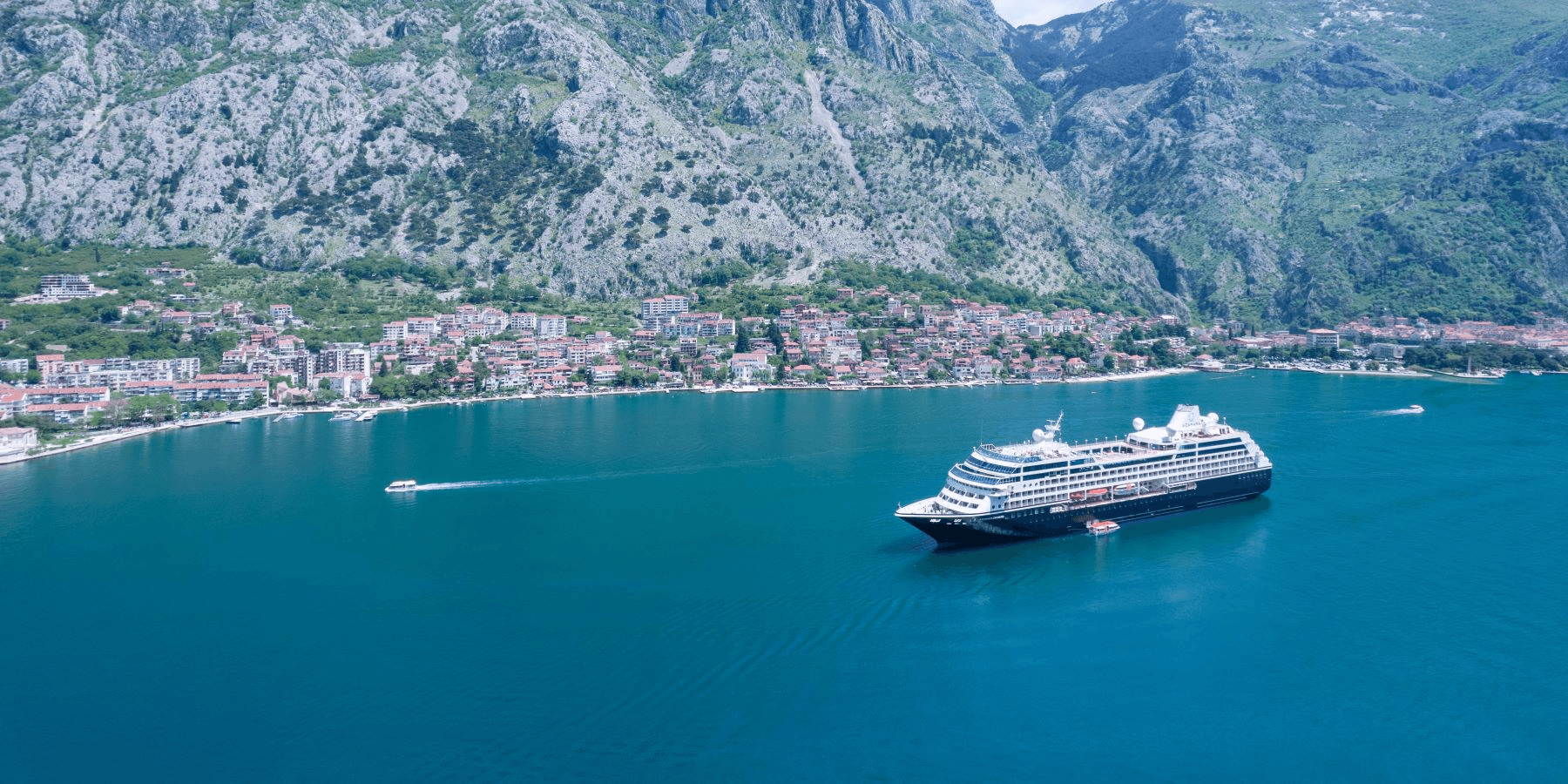
Step aboard the new Azamara Onward℠, and arrive at the doorstep of the globe’s most hidden gems and storied cities. Built to cross oceans, cruise along scenic waterways and dock at locations larger ships can’t access — this small ship cruising experience is unlike any other. Throughout your journey, you’ll find so many ways to immerse yourself in your travels.
Ask our cruise specialists about cruise line loyalty benefits, status match options, drinks packages, gratuities and any current offers available on this sailing.
On board

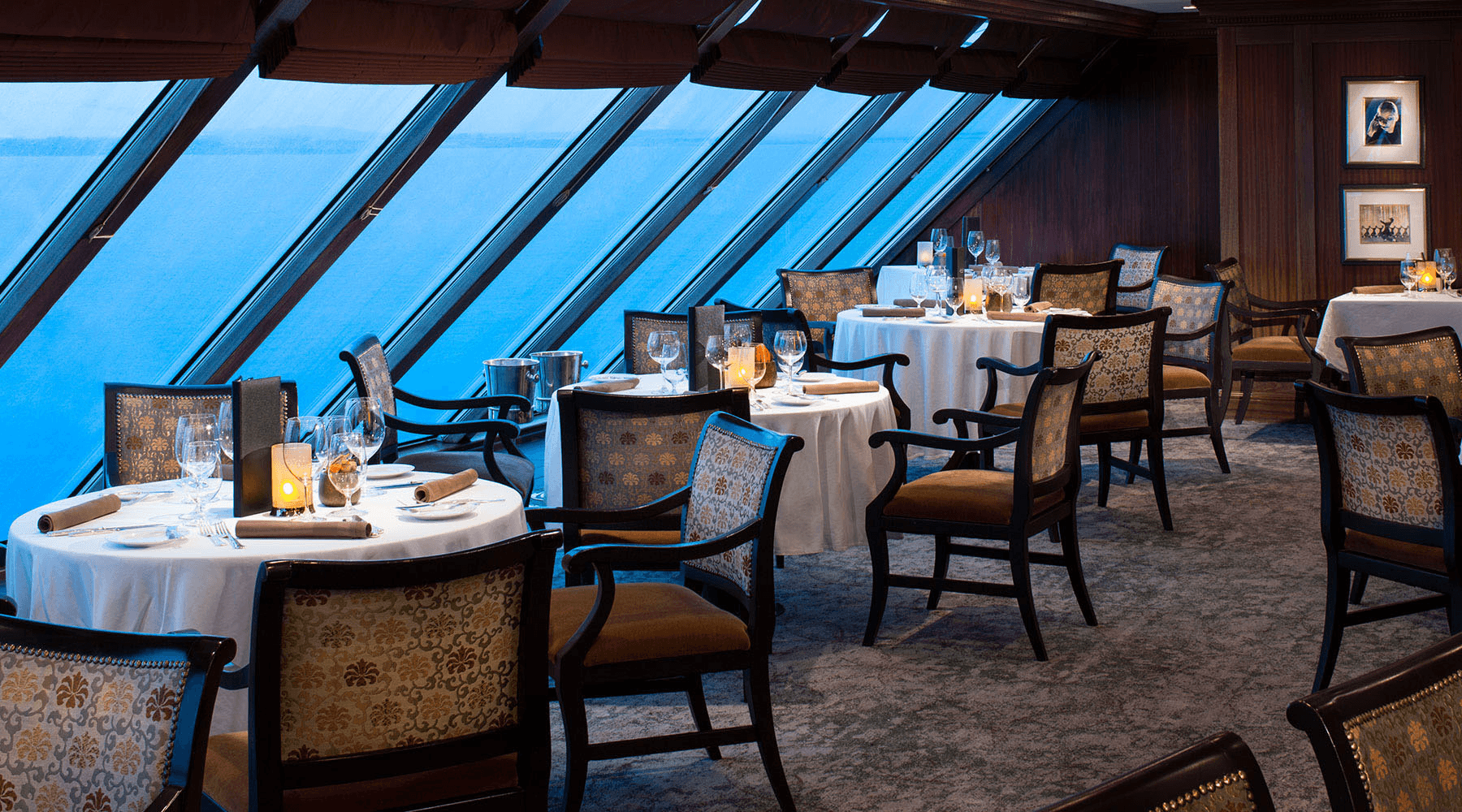
Aqualina Restaurant
Onboard Dining

Prime Restaurant

Restaurant
Itinerary
Cruise from Athens (Piraeus), Greece and back
Day 1Athens (Pireaus)Jul 8, 2028 • Departs at: 5 pm
You could spend a lifetime in Europe’s oldest city and still not see everything it has to offer. Settled over 3,500 years ago, Athens is like a mythological crossroads of the past and present, where modern buildings share the skyline with spectacular ruins like the Parthenon. To see a veritable “greatest hits” line-up, make your way to Vasilissis Amalias Street for the archaeological walk. Winding through the heart of the ancient city, the route leads to landmarks like the Temple of Olympian Zeus, Ancient Agora, Arch of Hadrian, and of course, the Acropolis.
Day 2Ephesus (Kusadasi), TurkeyJul 9, 2028 • Arrives at: 9 am • Departs at: 7 pm
Sure, we could chat about the resort town of Kusadasi and its beaches and restaurants, or nearby places like Dilek Peninsula National Park, but let’s talk Turkey: The star attraction in this neck of the woods is Ephesus. Once the second largest city in the Roman Empire, eclipsed only by Rome, here are just a few of the incredible sights just waiting to be gobbled up! (Sorry, we couldn’t resist.) There’s the Library of Celsus, still magnificent almost 2,000 years later; the Odeon, home of our “Ephesus: Back to Ancient Times” AzAmazing Evenings eventSM; and the 24,000-capacity Great Theatre, where St. Paul used to preach. Stretching from this jaw-dropping amphitheatre to the harbor is the marble-made Arcadian Street. Stroll past the marketplaces, colonnades, and fields of wild fennel, and into bath complexes that once offered piped-in hot water and a sauna.
Day 3RhodesJul 10, 2028 • Arrives at: 9 am • Departs at: 8 pm
Rhodes, the friendliest city in the Mediterranean, welcomes you with seemingly eternal sunshine thanks to more sunny days than any other place in Europe. Situated at the island's most northern point, Rhodes' only neighbors on the east and west are gleaming blue seas. This sunny retreat is also home to many historic sites ranging from the ruins of the Temple of Venus to the medieval Street of Knights.
Day 4Amorgos, GreeceJul 11, 2028 • Arrives at: 8 am • Departs at: 8 pm
Rocky cliffs that drop off into impossibly clear water. Tiny churches that hold centuries of stories. Beaches of soft sand and smooth pebbles few travelers have ever set foot on. Each Greek Isle offers its own bit of wonder, but Amorgos? It’s especially captivating. The easternmost of the Cyclades, Amorgos has been inhabited since ancient times, though in some places, seems as if it hasn’t been since. Minoan tombs and towers dot the countryside, shipwrecks teeter on secluded beaches, and massive monasteries with few residents emerge from rock faces.
Day 5HeraklionJul 12, 2028 • Arrives at: 8 am • Departs at: 8 pm
History is very much alive in Iraklion. The Fountain of the Lions, built by Morozini in 1628 during the Venetian occupation of Crete, dominates the central square. Today, the city's Town Hall is located in the Venetian Loggia, a building from the same era. Stroll among the shops and cafes surrounding the central square, or follow the old Venetian walls to Koules, a bastion overlooking the old harbor. Explore the archaeological site at Knossos and walk among Minoan findings displayed in the Archaeological Museum of Iraklion. Don't miss the Historical Museum of Iraklion, which houses findings from the early era of the Christian religion.
Day 6Monemvasia, GreeceJul 13, 2028 • Arrives at: 8 am • Departs at: 5 pm
One look at Monemvasia as you pull in to port and it’s easy to understand why locals nicknamed it The Rock. Shrouded by precipitous cliffs along the brilliant teal waters of the Myrtoan Sea, Monemvasia is a castle town suspended in history. Adding to the feeling that it comes from another time, Monemvasia is tethered to our world by a simple causeway.
Day 7ArgostoliJul 14, 2028 • Arrives at: 9 am • Departs at: 10 pm
The capital and “heart” of the Greek Island of Kefalonia, Argostoli is a modern town with a traditional soul. Although devastated by a major earthquake in 1953, the city has been largely rebuilt, and there are still many places of myth and legend to explore. With its stunning display of stalactites and stalagmites, the famous Drogati Cave and underground Melissani Lake routinely top must-see lists. There’s also the vibrant central square, Plateia Valianou, with its many bars, restaurants and tavernas, and the picturesque Lithostroto, a pedestrian-only cobblestoned shopping street.
Day 8CorfuJul 15, 2028 • Arrives at: 8 am • Departs at: 8 pm
One of the most beautiful islands in all of the Mediterranean, Corfu is said to cast a spell upon those who land upon its shores, which is perhaps why Shakespeare set his magical play, The Tempest, here. Millions of silvery olive trees grace the hillsides, the scent of lemon blossoms perfumes the air, and picturesque views of sapphire bays set against verdant hills capture your attention. A leisurely stroll through the narrow alleyways of Corfu old town will reveal many local treasures - old churches, a Byzantine cathedral, small enticing shops, and tavernas offering local wines and fresh seafood.
Day 9At SeaJul 16, 2028
Day 10VeniceJul 17, 2028 • Arrives at: 6:30 am • Departs at: 6 pm
Day 11OpatijaJul 18, 2028 • Arrives at: 8 am • Departs at: 6 pm
In 1844 Opatija began its life as a resort; with stunning coastal views and a mild climate it quickly drew an aristocratic clientele. The Grand Hotel Kvarner opened its doors, noblemen began to build spacious villas, and Opatija became the fashionable seaside resort of the Austro- Hungarian Empire. Here elegant ladies strolled the lush gardens and parks in the shade of parasols, and dancers swayed to the tempo of the waltz. On a terrace overlooking the blue bay, kings and emperors negotiated alliances and hatched plots. The grand residences of the wealthy are now hotels that still exude the air of elegance of a bygone age.
Day 12ZadarJul 19, 2028 • Arrives at: 8 am • Departs at: 10 pm
Perched on Adriatic Sea in Croatia, Zadar is a truly captivating city, where history-drenched cobblestone streets meet contemporary life, then surrounded by deep blue sea, green olive groves, and white stone. Dubbed an “outdoor museum”, Zadar is rich in monuments and churches from ancient and medieval times—the circular 9th century Church St. Donat, the Church of St. Simeon and the Romanesque Cathedral of St. Anastasia—while nature lovers should explore Krka National Park and its seven waterfalls. Meander through the pedestrian-only Old Town, with its fortified city walls, towers and gates, then visit Zadar’s famous urban installations on the Riva, where art, architecture and science combine. Be sure to check out The Sea Organ, which extends into the sea and “whistles” with the waves and air pressure, and Greeting to the Sun, a circular construction of glass plates that produces an exceptional light show.
Day 13SibenikJul 20, 2028 • Arrives at: 8 am • Departs at: 8 pm
Just 55 miles north of Split is the city of Sibenik, situated where the River Krka meets the Adriatic. Since 1066, it has been under rule by Croatians, Venetians, Austro-Hungarians, Yugoslavians, and once again back to Croatians—which has resulted in a diversity of international influences. This is particularly evident in the old part of Sibenik, with its many churches, palaces, Dalmatian houses, as well in the city’s stone walls and four fortresses: St. John, St. Michael, St. Nicholas and Šubićaevac. A must see is the Cathedral Sveti Jakov, and if you love the great outdoors, then visit Krka National Park or Kornati National Park.
Day 14HvarJul 21, 2028 • Arrives at: 8 am • Departs at: 8 pm
Hvar frequently appears on lists of the world’s most appealing islands. Its fertile plains and fresh water springs support glowing fields of lavender, fruit orchards, ancient olive trees, and vineyards, which you are invited to visit, producing some award winning “garage” wines, which you are encouraged to taste. Or perhaps you prefer an espresso while people watching in the town square, followed by a stroll through picturesque streets that reveal centuries of Dalmatian history. Of note is the handmade agave lace, now on the UNESCO list of Intangible Cultural Heritage, made by Benedictine nuns in their secluded convent.
Day 15DubrovnikJul 22, 2028 • Arrives at: 8 am • Departs at: 10 pm
To visit Dubrovnik is to step back in time to the Middle Ages. The town is one massive museum, its thick walls constructed from the 13th to the 17th century encircle the entire city, and contain within them a treasure trove of striking architecture – squares, fountains, palaces, churches, and monasteries, all built from the same stone, line streets free of motor vehicles. Once the only city-state on the Adriatic to rival Venice, Dubrovnik has long been a center for Croatian culture, and home to artists and scholars of all disciplines. It is possible to circumnavigate the city atop the medieval walls.
Day 16KotorJul 23, 2028 • Arrives at: 9:30 am • Departs at: 5 pm
Kotor’s beautiful bay has long attracted passing ships that stopped to trade, plunder, or conquer, and merchants, pirates, and soldiers of numerous empires have walked this maze of cobblestone streets before you. One of Europe’s best-preserved cities of medieval or Renaissance vintage, its walls were constructed right into the steep slopes of the mountain behind it, providing protection and making it an amazing sight on approach from the sea. Venetian ramparts enclose a rich history, with churches of varying styles, and a Romanesque cathedral built on the foundations of an earlier church, and a still earlier Roman temple.
Day 17At SeaJul 24, 2028
Day 18Chania,CreteJul 25, 2028 • Arrives at: 8 am • Departs at: 5 pm
On the northwest side of Crete rests the old Venetian port of Chania, the second largest city on the island. Inhabited since the Neolithic era, Chania is a modern city built over the ruins of the ancient city of Kydonia. Stroll through the old city and see how it has been touched by the intersection of diverse civilizations throughout history, with a mixture of Greek, Venetian, and Ottoman influences on every corner: Minoan ruins, Byzantine churches, and impressive frescos. The Archaeological Museum of Chania houses an extensive collection of Minoan and Roman artifacts, and with replicas of ships dating back to the Bronze Age, the Naval Museum is a great way to explore the ages of Chania.
Day 19Athens (Pireaus)Jul 26, 2028 • Arrives at: 5:30 am
You could spend a lifetime in Europe’s oldest city and still not see everything it has to offer. Settled over 3,500 years ago, Athens is like a mythological crossroads of the past and present, where modern buildings share the skyline with spectacular ruins like the Parthenon. To see a veritable “greatest hits” line-up, make your way to Vasilissis Amalias Street for the archaeological walk. Winding through the heart of the ancient city, the route leads to landmarks like the Temple of Olympian Zeus, Ancient Agora, Arch of Hadrian, and of course, the Acropolis.
Cabin options
Compare the cabin types and onboard features shown for this sailing. Final price and availability are confirmed by our team when you inquire.
24 cabin grades listed for this sailing.
Next step
Cabin grades and prices
View every cabin grade and current availability on the next step.