
Northern Europe Explorer
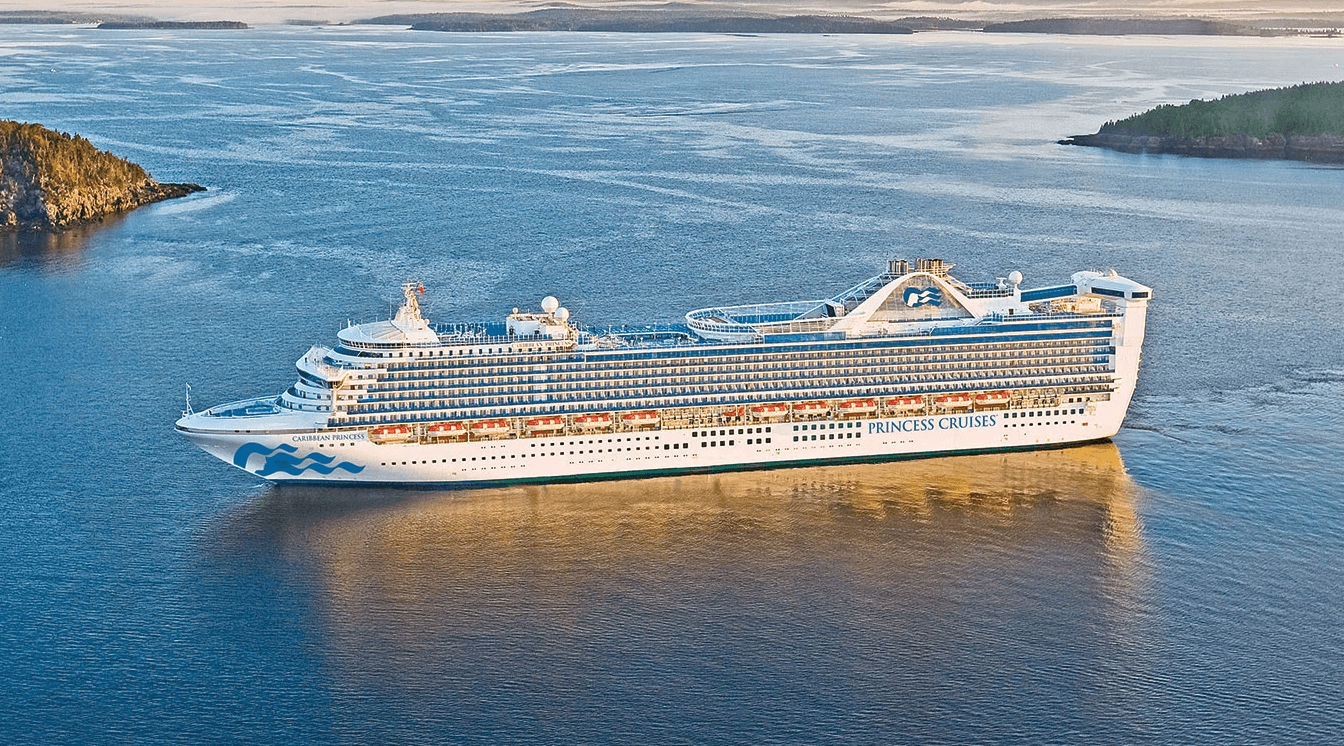
Princess Cruises · Caribbean Princess
Depart
Apr 29, 2028
Return
Jun 8, 2028
Port
Southampton
Nights
40 nights
At a glance
- Built
- 2004
- Tonnage
- 112894
- Cabins
- 1569
- Crew
- 1,200
Exciting adventures await aboard Caribbean Princess following her multi-million-dollar array of luxurious enhancements. From staterooms that offer a more restful sleep, to endless tempting new dining options, the newly reimagined Reef Splash Zone for kids and families plus other upgrades, you’ll find Caribbean Princess herself has come back new.
Ask our cruise specialists about cruise line loyalty benefits, status match options, drinks packages, gratuities and any current offers available on this sailing.
On board

360 Dining

Internet Cafe
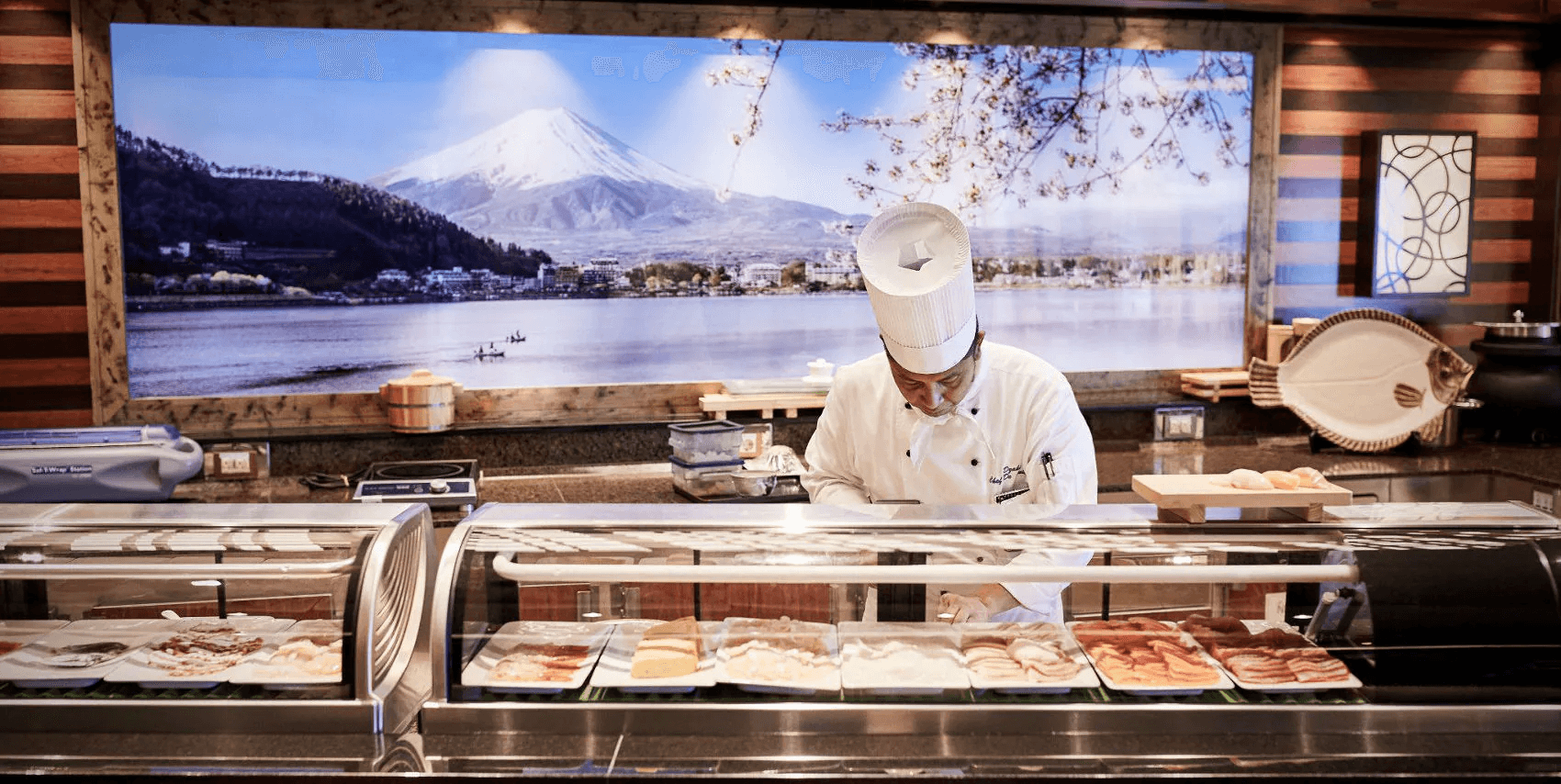
Ocean Terrace Sushi

Tracker's Bar & Grill
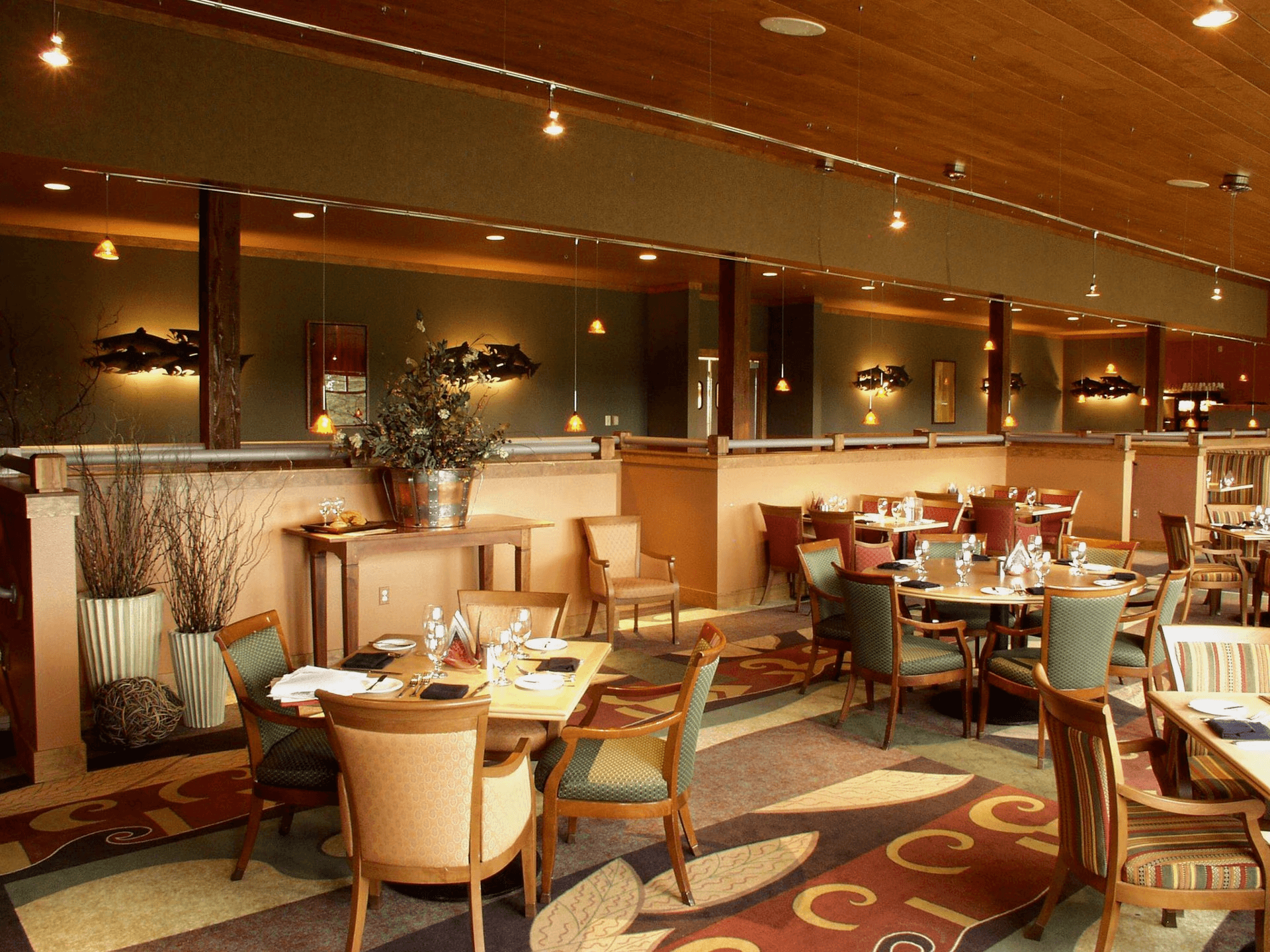
Two Rivers Restaurant
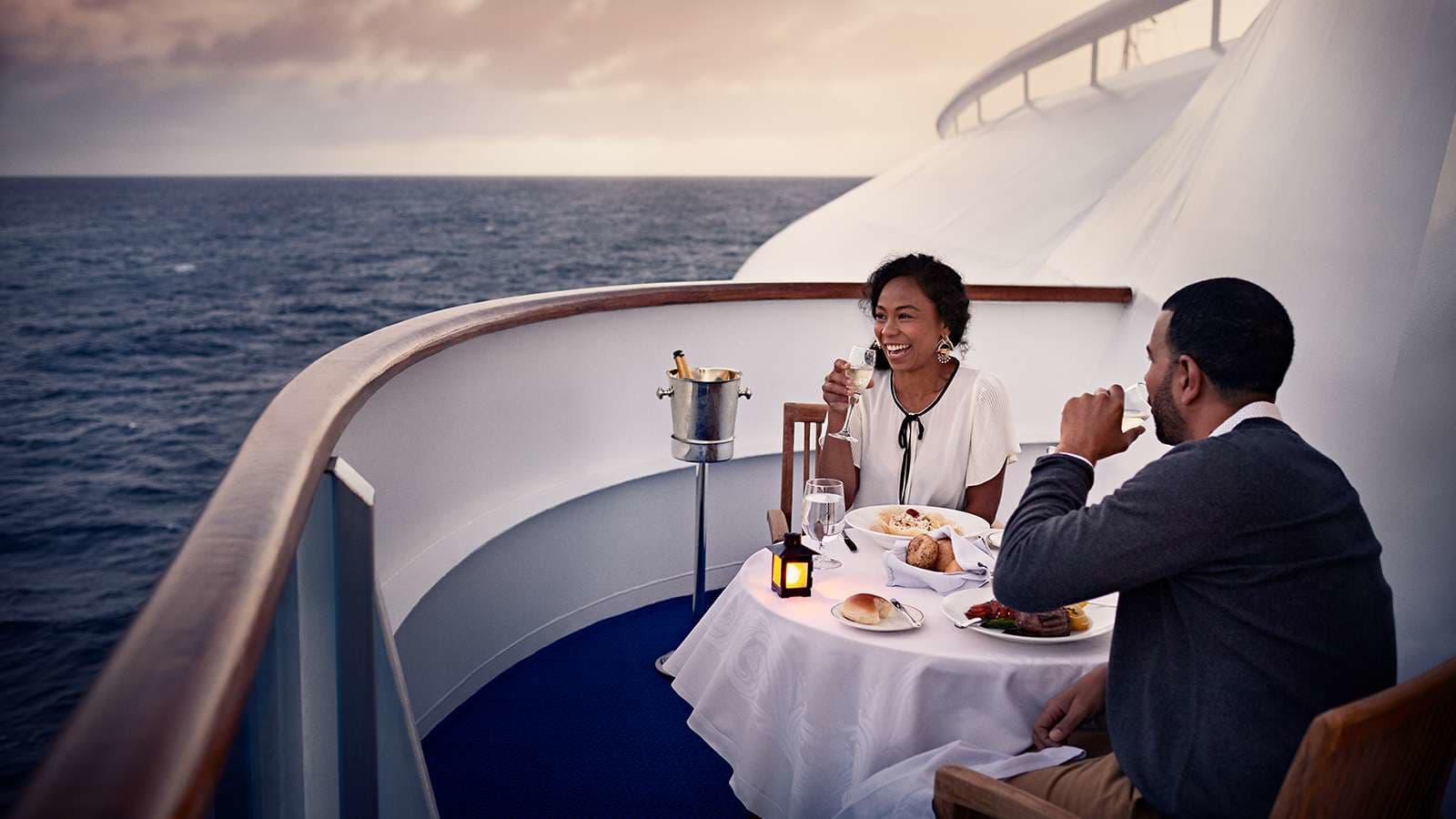
Ultimate Balcony Dining
Itinerary
Cruise from Southampton and back
Day 1Cruise departs from SouthamptonApr 29, 2028 • Departs at: 4 pm
The south of England boasts a dramatic coastline that encloses some of the most beautiful countryside in Britain. The landscape of hills and heaths, downs and forests, valleys and dales, is without rival. Southampton serves as your gateway to the countryside - and to a wide variety of historic sites, national landmarks and charming. And of course, London is a two-hour drive by modern highway. The United Kingdom's premier passenger ship port, Southampton was home for many years to the great transatlantic liners of yesteryear.
Day 2Brussels/Bruges (Zeebrugge)Apr 30, 2028 • Arrives at: 8 am • Departs at: 6 pm
Zeebrugge is your gateway to Brussels. The capital of Belgium, Brussels is really two cities in one. Old Brussels is a city of superb Baroque architecture with ornate guildhalls, cobbled lanes and one of the finest squares in Europe. New Brussels is the modern city, the capital of the European Union, the home of NATO and the seat of the European Atomic Energy Community. It is a city of fascinating contrasts.
Day 3AmsterdamMay 1, 2028 • Arrives at: 9 am • Departs at: 9 pm
Mention Holland and most people think of tulips, windmills, and wooden shoes. In reality, Amsterdam has been a vital European cultural center since the Middle Ages. The Dutch boast that God may have made the world, but they made the Netherlands. Dams, sea gates, and the 19-mile dyke walling out the Zuider Zee have allowed the Dutch to reclaim their low-lying country from the North Sea. The marsh that originally surrounded Amsterdam steadily disappeared beneath the expanding city. Vibrant, fascinating and always alive, Amsterdam is imbued with the quality the Dutch call "gezelligheid." Explore the city's 700-year-old streets and marvel at its stepped-gable houses. Cruise down its bustling canals and browse the colorful flower markets. Did we mention that you can shop for everything from cheese and chocolates to diamonds and Delftware
Day 4At SeaMay 2, 2028
Day 5Kristiansand, NorwayMay 3, 2028 • Arrives at: 7 am • Departs at: 5 pm
Norway's fifth largest city was founded by Christian IV in the year 1641 as a market town and administrative center on Norway's then-strategic southern coast. The city is separated from Denmark by the Skagerrak, the long strait that connects the Baltic and North Seas. Today the capital of the Aust-Agder region is one of Norway's most popular vacation destinations: the city and the surrounding countryside boast the sunniest summer weather in Norway.
Day 6Oslo, NorwayMay 4, 2028 • Arrives at: 8 am • Departs at: 6 pm
The oldest of the Scandinavian capitals, Oslo boasts one of the most fabled maritime and cultural histories in the entire world: it was the homeland of the seafaring Vikings. The dramatic beauty of the city's setting is understandably inspiring. One need only look out upon the breathtaking Oslofjord, glistening lakes and enchanting woodlands to see why a people might want to discover more beauty.
Day 7SkagenMay 5, 2028 • Arrives at: 7 am • Departs at: 5 pm
On Denmark's northern tip, where the Baltic meets the North Sea, lies Skagen (pronounced "Skain"). Skagen is a fishing town with a maritime history that reaches back to the early Middle Ages. Boasting white-sand beaches, crystal-clear waters and stunning natural landscapes, the area has lured artists since the mid-19th century, drawn to the radiant light's interplay on the rugged landscapes, seascapes and cityscapes. The town has been featured in world-famous paintings by artists such as Michael and Anna Ancher and P.S. Krøyer, and the area has long enjoyed a rich artistic heritage. Guided bicycle excursions give a unique, up-close perspective on this pretty town, with its picturesque white-picket fenced neighborhoods featuring brightly painted yellow houses crowned by red-tiled roofs. Stroll through one of the many art galleries and museums, such as Skagen Art Museum and the Skagen Odde Nature Center. When it's time to taste the delicacies of the region, head to Pakhuset for a chance…
Day 8Copenhagen, DenmarkMay 6, 2028 • Arrives at: 5 am • Departs at: 4 pm
Copenhagen was founded during the 12th century. The city owes much of its charm to the buildings erected by Denmark's monarchs, and boasts a treasure trove of late-Renaissance and Rococo architecture. Copenhagen deserves its accolade as the Venice of the North. Founded on a series of islands and islets, the city today is laced with graceful canals and boasts some of the most delightful architecture in Northern Europe. See the fabled statue of Hans Christian Andersen's Little Mermaid, a symbol of the city. Stroll along the old harbor of Nyhavn, lined with cafés, restaurants and 500-year-old gabled houses. Browse the superb shops on the world-famous Stroget or view the Rococo palaces lining Amalienborg Square. Best of all, savor the taste of local delicacies while wandering the paths of Tivoli Gardens, one of Europe's most celebrated pleasure gardens.
Day 9AarhusMay 7, 2028 • Arrives at: 8 am • Departs at: 5 pm
It's easy to assume that Aarhus stands in Copenhagen's shadow - Aarhus after all is the second largest city in Denmark, and its university is both the country's second oldest and second largest. Yet Aarhus boasts singular virtues and charms. Despite a relatively modern cityscape, Aarhus is the oldest city in Scandinavia, mentioned in Icelandic sagas and chronicles. Excavated glass pearls and rune fragments date the city to centuries before its official founding in 770. Aarhus also boasts a lively cultural scene with an acclaimed International Art & Culture Festival in late August. It is also rich in parks and green areas. Located on Jutland's east coast, Aarhus is surrounded by dense forests, and provides easy access to Denmark's scenic Lake District west of the city and it also holds the queen's summer residence beautifully set at the rim of the forest overlooking the sea. Originally constructed in the 12th century, Aarhus's Domkirke is one of the great cathedrals in Scandinavia. Its…
Day 10Berlin (Warnemunde)May 8, 2028 • Arrives at: 8 am • Departs at: 10 pm
Berlin is a worthy rival to London or Paris in terms of history, art and culture. The city's highlights include the restored Reichstag Building with its magnificent glass dome and the stunning Pergamon Museum. Warnemünde is a seaside resort near the harbor entrance to Rostock, one of the city-states that formed the medieval Hanseatic League. Originally a fishing village turned spa and resort. Explore the old Cold War hot spots and view the Brandenburg Gate, restored to its original magnificence. Or, stroll along the Kurfurstendamm and take coffee in a local cafe. Warnemünde is also your gateway to Mecklenburg and the German countryside.
Day 11Bornholm, DenmarkMay 9, 2028 • Arrives at: 7 am • Departs at: 3 pm
This idyllic island in the Baltic has been a popular destination since its discovery by Danish artists in the 19th century. Bornholm boasts a wealth of scenic beauty ranging from bucolic farms to one of Denmark's largest forests. The island also features sandy beaches, quaint fishing ports and a rugged coast crowned by the ruins of the largest medieval fortress in Northern Europe. Bornholm is also the host of "New Scandinavian Cooking" - a wildly popular television series watched by over 60 million viewers. The island has become renowned for its high-quality gourmet produce including superb smoked fish, sausages and internationally award-winning beer and blue cheese. The island's capital and largest city, Rønne is home to 14,000 inhabitants.
Day 12KlaipedaMay 10, 2028 • Arrives at: 7 am • Departs at: 4 pm
Formerly known as Memel, Klaipeda is a unique historic city - with its roots that go back to the days of German knights - and it's a gloriously royal city, too, as Klaipeda was once the capital of Prussian Kingdom. Today Klaipeda is a modern city, known for its creative, innovative design and architecture and, even more for its friendly and welcome people. Being the third largest town in Lithuania, this relatively small town is well known for its grand annual events including the Jazz festival and Sea festival. The cultural scene offers everything from the internationally-known music concerts to sizzling jazz clubs, bars and countless museums and galleries.
Day 13RigaMay 11, 2028 • Arrives at: 8 am • Departs at: 4 pm
Capital of Latvia and the largest city of the Baltic Republics, Riga has long been a center of commerce and culture. Founded in the 13th century, the city rose to prominence as a member of the Hanseatic League, the great German-Baltic trading consortium that dominated Northern Europe during the Middle Ages. In the long struggle for Latvian independence, Riga has been ruled by Germans, Swedes and Russians. Today this "Little Paris of the Baltic" is a UNESCO World Heritage Site renowned for its architecture including one of the finest collections of Art Nouveau buildings in Northern Europe. The city's German heritage contributed to the city's rich architecture. Riga's Art Nouveau buildings are outstanding examples of the German style known as Jugendstil.
Day 14TallinnMay 12, 2028 • Arrives at: 10 am • Departs at: 8 pm
Like Latvia and Lithuania, the Baltic republic of Estonia has survived a turbulent history. The small nation was conquered and ruled by the likes of Teutonic Knights, Polish princes and Russian Tsars. For 51 years, Estonia remained a pawn in the Soviet empire, until the burgeoning freedom movement led to independence for the Baltic Republics in 1991. Like its sister republics, Estonia maintained its ties to the Western tradition, retaining the Latin alphabet and Catholic and Protestant faiths. Once a member of the historic Hanseatic League, Tallinn is the political, commercial and cultural center of Estonia.
Day 15HelsinkiMay 13, 2028 • Arrives at: 7 am • Departs at: 8 pm
Perhaps their country's harsh climate encouraged the Finns' love and respect for design and the arts. Whatever the cause, there's no denying that Helsinki is one of the most vibrant and beautiful cities in Scandinavia. Hailed as the "Daughter of the Baltic," Finland's capital is a city of graceful neoclassical buildings, striking modern architecture and spacious boulevards dotted with squares and parks. In the past century, Finland has nurtured some of the major creative talents of Western culture, from the composer Sibelius to architects Eliel & Eero Saarinen and Alvar Aalto. The center of Finnish commerce and culture, Helsinki is home to some 616.000 people. Much of the city's neoclassical architecture dates from the period of Tsarist rule, which began in 1809 after political control of Finland passed from Sweden to Russia, Finland gained its independence in 1917.
Day 16TallinnMay 14, 2028 • Arrives at: 7 am • Departs at: 4 pm
Like Latvia and Lithuania, the Baltic republic of Estonia has survived a turbulent history. The small nation was conquered and ruled by the likes of Teutonic Knights, Polish princes and Russian Tsars. For 51 years, Estonia remained a pawn in the Soviet empire, until the burgeoning freedom movement led to independence for the Baltic Republics in 1991. Like its sister republics, Estonia maintained its ties to the Western tradition, retaining the Latin alphabet and Catholic and Protestant faiths. Once a member of the historic Hanseatic League, Tallinn is the political, commercial and cultural center of Estonia.
Day 17StockholmMay 15, 2028 • Arrives at: 9 am • Departs at: 5 pm
Often described as the "Capital of Scandinavia," Stockholm traces its origins back seven centuries, when it was founded on the island of Gamla Stan and became the capital of Sweden. Today, the city covers 14 separate islands connected by bays, channels and inlets. The skyline is a sea of copper roofs grown green with patina, towers, spires and graceful cupolas stand sentinel over the historic Old Town (Gamla Stan). With its population of nearly a million people, Stockholm is one of the world's most beautiful, clean and orderly cities. With a history stretching over seven centuries, Stockholm is not just a beautiful city but also Sweden's center of art and culture.
Day 18Visby, SwedenMay 16, 2028 • Arrives at: 9 am • Departs at: 5 pm
Dramatic 13th-century city walls surround the former Viking settlement of Visby, Sweden. Recognized by UNESCO as the best-preserved medieval commercial center in Northern Europe, this quaint town of 20,000 residents, known as the "City of Roses and Ruins," is home to ancient forts, churches and winding streets lined with cafés and cozy cottages. The Gotlands Fornsal Museum explores 8,000 years of the region's rich cultural history, from the geological formation of Gotland through the Viking period to the modern age. A venture beyond the ancient walls takes you to the Hanseatic harbor of Almedalen, dotted by such historical sites as the Kruttornet (Powder Tower) and the Jungfrutornet (Maiden's Tower), or to scenic Dalmansporten, site of the 12th-century St. Mary Church, the only one of Visby's earliest churches to still be in use today. For those seeking the solace of the countryside, Gotland, Sweden's largest island, offers flowering meadows, pastoral views and the opportunity to expe…
Day 19Bornholm, DenmarkMay 17, 2028 • Arrives at: 8 am • Departs at: 4 pm
This idyllic island in the Baltic has been a popular destination since its discovery by Danish artists in the 19th century. Bornholm boasts a wealth of scenic beauty ranging from bucolic farms to one of Denmark's largest forests. The island also features sandy beaches, quaint fishing ports and a rugged coast crowned by the ruins of the largest medieval fortress in Northern Europe. Bornholm is also the host of "New Scandinavian Cooking" - a wildly popular television series watched by over 60 million viewers. The island has become renowned for its high-quality gourmet produce including superb smoked fish, sausages and internationally award-winning beer and blue cheese. The island's capital and largest city, Rønne is home to 14,000 inhabitants.
Day 20Kiel (Hamburg)May 18, 2028 • Arrives at: 7 am • Departs at: 5 pm
Kiel, capital of Germany's rich agricultural Schleswig-Holstein region, has also been a bastion of German naval power since the 19th century. This Baltic port hosts a large regatta each year, attracting yachtsmen throughout Europe and beyond. The famous Kiel Canal begins here, where it stretches some 60 scenic miles from the Baltic to the North Sea. The North Sea-Baltic Canal, as it is formally named, took approximately 9,000 workers 8 years to build, and was officially opened in 1895. Today, over 40,000 vessels pass through each year, and its set of locks are sometimes referred to as the "Busiest Locks in Europe." Not far from the Kiel Canal, incredible Hamburg awaits. It is the third largest port in Europe, established by Charlemagne in the early 9th century. Though it fell to Viking attacks and foreign raids, lost over half its population to the Black Death and was later obliterated by the Great Fire of 1842, the city rebuilt and prevailed. It maintains much of its medieval charact…
Day 21AarhusMay 19, 2028 • Arrives at: 8 am • Departs at: 5 pm
It's easy to assume that Aarhus stands in Copenhagen's shadow - Aarhus after all is the second largest city in Denmark, and its university is both the country's second oldest and second largest. Yet Aarhus boasts singular virtues and charms. Despite a relatively modern cityscape, Aarhus is the oldest city in Scandinavia, mentioned in Icelandic sagas and chronicles. Excavated glass pearls and rune fragments date the city to centuries before its official founding in 770. Aarhus also boasts a lively cultural scene with an acclaimed International Art & Culture Festival in late August. It is also rich in parks and green areas. Located on Jutland's east coast, Aarhus is surrounded by dense forests, and provides easy access to Denmark's scenic Lake District west of the city and it also holds the queen's summer residence beautifully set at the rim of the forest overlooking the sea. Originally constructed in the 12th century, Aarhus's Domkirke is one of the great cathedrals in Scandinavia. Its…
Day 22Copenhagen, DenmarkMay 20, 2028 • Arrives at: 5 am • Departs at: 4 pm
Copenhagen was founded during the 12th century. The city owes much of its charm to the buildings erected by Denmark's monarchs, and boasts a treasure trove of late-Renaissance and Rococo architecture. Copenhagen deserves its accolade as the Venice of the North. Founded on a series of islands and islets, the city today is laced with graceful canals and boasts some of the most delightful architecture in Northern Europe. See the fabled statue of Hans Christian Andersen's Little Mermaid, a symbol of the city. Stroll along the old harbor of Nyhavn, lined with cafés, restaurants and 500-year-old gabled houses. Browse the superb shops on the world-famous Stroget or view the Rococo palaces lining Amalienborg Square. Best of all, savor the taste of local delicacies while wandering the paths of Tivoli Gardens, one of Europe's most celebrated pleasure gardens.
Day 23SkagenMay 21, 2028 • Arrives at: 7 am • Departs at: 3 pm
On Denmark's northern tip, where the Baltic meets the North Sea, lies Skagen (pronounced "Skain"). Skagen is a fishing town with a maritime history that reaches back to the early Middle Ages. Boasting white-sand beaches, crystal-clear waters and stunning natural landscapes, the area has lured artists since the mid-19th century, drawn to the radiant light's interplay on the rugged landscapes, seascapes and cityscapes. The town has been featured in world-famous paintings by artists such as Michael and Anna Ancher and P.S. Krøyer, and the area has long enjoyed a rich artistic heritage. Guided bicycle excursions give a unique, up-close perspective on this pretty town, with its picturesque white-picket fenced neighborhoods featuring brightly painted yellow houses crowned by red-tiled roofs. Stroll through one of the many art galleries and museums, such as Skagen Art Museum and the Skagen Odde Nature Center. When it's time to taste the delicacies of the region, head to Pakhuset for a chance…
Day 24StavangerMay 22, 2028 • Arrives at: 8 am • Departs at: 3 pm
Norway's fourth largest city, Stavanger lies at the mouth of the Gandsfjord. The old port, attests to the sea's enduring role in Norwegian history. Here, Vikings once sailed on voyages of conquest and exploration. In later centuries, the port served as a major hub for Norway's mercantile and fishing fleets. By the mid-20th century, however, Stavanger had fallen on hard times as the fishing grounds dwindled. In 1969, the discovery of North Sea oil opened a new chapter in Stavanger's history. At the "Sword in the Rock" Monument, three giant crossed Viking swords commemorate King Harald Fair Hair's unification of Norway in 872 following his victory at the Battle of Hafrsfjord.
Day 25AndalsnesMay 23, 2028 • Arrives at: 12 pm • Departs at: 9 pm
As the dense fog parts, it reveals the truly epic scenery of Åndalsnes and its surrounding mountains and fjords. This small alpine village in western Norway is a fisherman's paradise, where the Rauma River and majestic Romsdalsfjord yield a high volume of cod, haddock and herring, to name a few. Not for the faint of heart, the main attraction in Åndalsnes is the winding Trollstigen, a winding scenic road to Geiranger that offers commanding views of breathtaking Geirangerfjord and the thundering Stigfossen Waterfall.
Day 26NordfjordeidMay 24, 2028 • Arrives at: 10 am • Departs at: 9 pm
Day 27AlesundMay 25, 2028 • Arrives at: 7 am • Departs at: 4 pm
The island of Giske is the reputed birthplace of the great Viking Rollo, who laid siege to Paris and founded the Duchy of Normandy. William the Conqueror was his grandson. In 1904, a massive fire destroyed 800 buildings in this fishing port. Germany's Kaiser Wilhelm II responded with immediate aid, and Ålesund was reborn. Not surprisingly, the town was rebuilt in the then-popular Art Nouveau style known as Jugendstil. The result is one of the prettiest ports in Norway. Buildings with elegant turrets and spires can be seen lining the streets of the city center. Today, the city is one of Norway's most important fishing harbors and the world's largest supplier of stockfish (Klippfisk) - dried cod. Alesund's major attractions are the surrounding fjords and the stunning Sunnmøre Alps.
Day 28At SeaMay 26, 2028
Day 29SeydisfjordurMay 27, 2028 • Arrives at: 7 am • Departs at: 5 pm
Considered the cultural capital of Eastern Iceland, Seydisfjordur lies at the head of a narrow fjord flanked by high mountains. This town of some 700 souls achieved municipal status in 1895, the first town in the East of Iceland to do so. The city is also the terminus for the ferry service linking Iceland to the Faeroe Islands and Denmark. Seydisfjordur is your gateway to the wild and isolated scenery of the Eastern Fjords. In myth, these narrow bays and towering mountains were once the home of trolls, elves and ogres. Seydisfjordur boasts a wealth of well-preserved 19th century homes and buildings. In the summer the small town can take on a cosmopolitan air as visitors flock to town aboard the ferry.
Day 30AkureyriMay 28, 2028 • Arrives at: 8 am • Departs at: 6 pm
The town is your gateway to the famous "Land of Fire and Ice" - Iceland's dramatic landscape of volcanic craters, extinct lava lakes and majestic waterfalls. Visitors to Akureyri have a hard time grasping the fact that the town lies just below the Arctic Circle. The climate here is temperate: flower boxes fill the windows of houses, and trees line the neat, well-tended avenues. Thanks to that mild climate, Akureyri's Botanical Gardens provide a home for over 2,000 species of flora from around the world - all surviving without greenhouses. No wonder Icelanders refer to Akureyri as the most pleasant town on the entire island.
Day 31IsafjordurMay 29, 2028 • Arrives at: 7 am • Departs at: 5 pm
The town of Ísafjördur is the municipal centre of the West Fjords peninsula. The West Fjords are Iceland's least populated region, with 9,600 inhabitants in the area of 9,520 km. Isafjördur (population 3,500) formerly one of Iceland's main trading posts, was granted municipal status in 1886. Some of Iceland's oldest and best-preserved buildings, dating from the 18th century, are located in Ísafjördur. The town is still predominantly a fishing centre. A vigorous and varied cultural and artistic scene flourishes in the town as well. Mountains surround Ísafjördur on the three sides and the sea on the other. The ancient settlement site of Eyri downtown is enclosed by the narrow Skutulsfjördur fjord, which shelters the harbour in all weathers.
Day 32ReykjavikMay 30, 2028 • Arrives at: 7 am • Departs at: 7 pm
The patron saints of Reykjavik are fire and ice. Iceland is a land of volcanoes and glaciers, lava fields and green pastures, boiling thermal springs and ice-cold rivers teeming with salmon. This unspoiled demi-paradise is also home to a very old and sophisticated culture. The northernmost capital in the world, Reykjavik was founded in 874 when Ingolfur Arnarson threw wood pillars into the sea, vowing to settle where the pillars washed ashore. Today, Iceland is an international center of commerce and home to one of the most technologically sophisticated societies in the world. Reykjavik is the gateway to Iceland's natural wonders, which range from ice fields to thermal pools. The island is in a continual process of transformation much like its society, which blends Nordic tradition with sophisticated technology.
Day 33IsafjordurMay 31, 2028 • Arrives at: 8 am • Departs at: 6 pm
The town of Ísafjördur is the municipal centre of the West Fjords peninsula. The West Fjords are Iceland's least populated region, with 9,600 inhabitants in the area of 9,520 km. Isafjördur (population 3,500) formerly one of Iceland's main trading posts, was granted municipal status in 1886. Some of Iceland's oldest and best-preserved buildings, dating from the 18th century, are located in Ísafjördur. The town is still predominantly a fishing centre. A vigorous and varied cultural and artistic scene flourishes in the town as well. Mountains surround Ísafjördur on the three sides and the sea on the other. The ancient settlement site of Eyri downtown is enclosed by the narrow Skutulsfjördur fjord, which shelters the harbour in all weathers.
Day 34AkureyriJun 1, 2028 • Arrives at: 7 am • Departs at: 5 pm
The town is your gateway to the famous "Land of Fire and Ice" - Iceland's dramatic landscape of volcanic craters, extinct lava lakes and majestic waterfalls. Visitors to Akureyri have a hard time grasping the fact that the town lies just below the Arctic Circle. The climate here is temperate: flower boxes fill the windows of houses, and trees line the neat, well-tended avenues. Thanks to that mild climate, Akureyri's Botanical Gardens provide a home for over 2,000 species of flora from around the world - all surviving without greenhouses. No wonder Icelanders refer to Akureyri as the most pleasant town on the entire island.
Day 35SeydisfjordurJun 2, 2028 • Arrives at: 8 am • Departs at: 6 pm
Considered the cultural capital of Eastern Iceland, Seydisfjordur lies at the head of a narrow fjord flanked by high mountains. This town of some 700 souls achieved municipal status in 1895, the first town in the East of Iceland to do so. The city is also the terminus for the ferry service linking Iceland to the Faeroe Islands and Denmark. Seydisfjordur is your gateway to the wild and isolated scenery of the Eastern Fjords. In myth, these narrow bays and towering mountains were once the home of trolls, elves and ogres. Seydisfjordur boasts a wealth of well-preserved 19th century homes and buildings. In the summer the small town can take on a cosmopolitan air as visitors flock to town aboard the ferry.
Day 36At SeaJun 3, 2028
Day 37Runavik, Faroe IslandsJun 4, 2028 • Arrives at: 7 am • Departs at: 4 pm
Day 38Orkney Islands (Kirkwall)Jun 5, 2028 • Arrives at: 7 am • Departs at: 5 pm
Just north of Scotland lay the Orkney Islands. Washed by the furthest reach of the Gulf Stream, this chain of over 70 islands offers dramatic landscapes that range from sea cliffs rearing 1,000 feet above the waves to sweeping white sand beaches. Bird watchers flock to the Orkney Islands, drawn by the multitudes of sea birds. Divers explore the wrecks lying in the clear waters of Scapa Flow, the Royal Navy's fleet anchorage in two world wars. And most fascinating of all, the Orkney Islands boast the greatest concentration of prehistoric sites in all Europe, including the mysterious Ring of Brodgar and 5,000-year-old Skara Brae.
Day 39Edinburgh (South Queensferry), ScotlandJun 6, 2028 • Arrives at: 8 am • Departs at: 7 pm
Edinburgh is Scotland's compact, hilly capital. It has a medieval Old Town and elegant Georgian New Town with gardens and neoclassical buildings. Looming over the city is Edinburgh Castle, home to Scotland’s crown jewels and the Stone of Destiny, used in the coronation of Scottish rulers.
Day 40At SeaJun 7, 2028
Day 41Cruise returns to SouthamptonJun 8, 2028 • Arrives at: 7 am
The south of England boasts a dramatic coastline that encloses some of the most beautiful countryside in Britain. The landscape of hills and heaths, downs and forests, valleys and dales, is without rival. Southampton serves as your gateway to the countryside - and to a wide variety of historic sites, national landmarks and charming. And of course, London is a two-hour drive by modern highway. The United Kingdom's premier passenger ship port, Southampton was home for many years to the great transatlantic liners of yesteryear.
Cabin options
Compare the cabin types and onboard features shown for this sailing. Final price and availability are confirmed by our team when you inquire.
34 cabin grades listed for this sailing.
Next step
Cabin grades and prices
View every cabin grade and current availability on the next step.